
Please note that the information provided below is the personal opinion of Mr Milan Schirlo, who is a therapist and an advocate of traditional Chinese medicine and a healthy lifestyle. Mr Schirlo does not promote any specific products or manufacturers of food supplements. Furthermore, this article is not connected to the sale of any products. The information is provided for the purpose of disseminating publicly available knowledge, conclusions of expert studies, education, and personal findings regarding vital mushrooms and a healthy lifestyle.
For legislative reasons, I cannot state some information. Therefore, the text for some points is missing. I am working on republishing it. Thank you for your understanding.
Latin: Grifola frondosa
Czech: trsnatec lupenitý, sírovec
Chinese: Hui Shu Hua
Japanese: Maitake
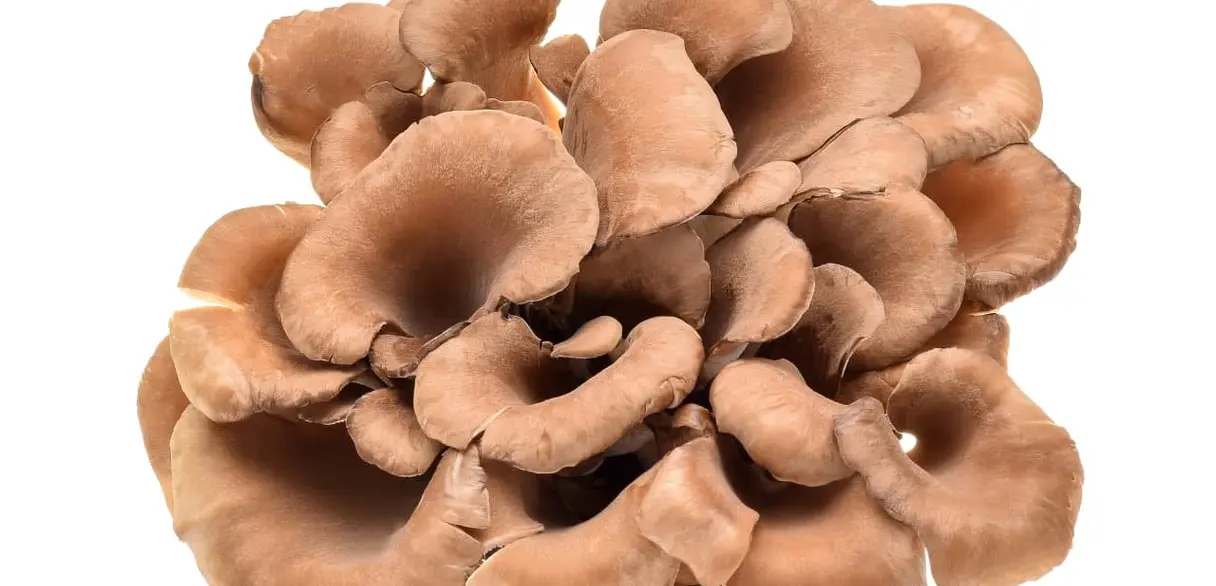
Maitake (Grifola frondosa, Hen of the Woods, Hui Shu Hua) is one of the most well-known vital mushrooms. It is classified as a wood-decay fungus. This means that it uses the wood of deciduous trees as a source of nutrients. It is a saprophyte; it does not kill the tree, it only uses it. Maitake creates huge fruiting bodies at the base of deciduous trees, which can weigh several tens of kilograms and reach 40 cm in diameter. The fruiting bodies are made up of many caps that form a rosette and share a common stalk. Individual caps are 3–14 centimetres in size. Their colour is light to dark brown or grey-brown. Maitake avoids subtropical and tropical regions. Otherwise, it occurs all over the world. In Japanese, Maitake means dancing mushroom, because people danced with joy when they found this tasty and therapeutically valued mushroom. Finding wild-growing Maitake is difficult, the mushroom was very expensive, and so mushroom pickers kept the locations of their finds secret, and this information was often passed down from generation to generation. It is most used in China, both as food and as medicine. Maitake is written about in significant herbals of traditional Chinese medicine. It is documented in them that it has been used for many centuries. It is interesting that although it is so well known mainly thanks to traditional Chinese medicine, the established name of the mushroom, i.e. Maitake, is of Japanese origin.
For the scientific world, Maitake was documented by the Scottish mycologist James J. Dickson, who described it in 1785. He named it Boletus frondosus. Samuel F. Gray renamed the mushroom to Grifola frondosa in 1821.
Currently, there is a high demand for Maitake, and since it occurs only minimally in the wild, it is artificially cultivated on a large scale.
Maitake has many effects, which are determined by its composition. We will look at both in the following lines.
Si Qi (nature): neutral
Wu Wei (taste): sweet
Gui Jing (tropism): lungs, kidneys, liver, large intestine (some sources state that it affects all organs)
1, supports the functions of the spleen and stomach
2, Anti-tumour effects
3, Osteoporosis
4, Preventive mushroom for old age
5, Maitake supports the immune system
6, Fertility problems
a, Mushrooms in the form of extracts (recommended form of use)
If you are taking mushrooms in the form of 30% extracts, I recommend:
Preventive use
For milder health problems
For more serious health problems
b, Mushrooms in tincture
c, Mushrooms in the form of powder (powder, biomass)
d, Dried mushrooms
Like other mushrooms, Maitake is almost 90% liquid. The rest, i.e. dry matter, contains a large amount of bioactive substances. We will list some of them.
Mushrooms are rich in carbohydrates, sugars, mainly in polysaccharides of the beta glucan type. In this case, they are both e.g. beta-(1-3)-D-glucans, as well as beta-(1-6) and beta-(1-6)-D-glucans, this designation is given by the place where the polysaccharide branches. Glucans are absorbed from the digestive tract and are involved in the fight against cancer, free radicals and strengthen the immune response. In Maitake, there are also "insoluble" non-absorbable polysaccharides, i.e. crude fibre, which is a source of nutrients for intestinal microflora.
Other sugars in Maitake are monosaccharides, i.e. simple sugars. The content is in the table below. It shows the content in the mature fruiting body and mycelium in milligrams per gram of dry matter (arabinose, arabitol, fructose, glucose, lactose, mannitol, mannose, ribose, theralose).
https://www.ncbi.nlm.nih.gov/pmc/articles/PMC7824844/
Maitake is known for the fact that carbohydrate fractions are extracted from it, which are standardised. The most well-known are Grifolan, D-fraction, MD-fraction and SX-fraction. All mentioned fractions meet Japanese ISO standards.
In the revised table below is an overview of the most well-known fractions.
type of fraction | molecular weight | structure | monosaccharides | What they are prepared from |
Grifolan-7N | 1200 kDa | (1→3)-beta-D-glucan with 1 bound beta-D-glucopyranosyl group attached at position 6 | glucose | Hot sodium hydroxide, fruiting body |
GRN | 500 kDa (Mw) | (1→6) –branched (1→3)-beta-D-Glucans | glucose | 0.5% citrate buffer, mycelium |
X-fraction | - | beta-1,6 glucans with alpha-1,4 branches | glucose | ethanolic, aqueous solution, fruiting body |
D-fraction | 1000 kDa | isolated components of beta glucans(beta-1,6 glucan beta-1,3 glucan) with protein | glucose | hot water fruiting body |
MD-fraction | 1000 kDa | Purified D-fraction with a different glucan/protein ratio | glucose | hot water, fruiting body |
MZ-fraction | 20 kDa (Mw) | beta-1,6 main chain and beta-1,3 side chain | glucose | hot water, fruiting body |
https://doi.org/10.3390/foods10010095
Maitake also contains a large amount of amino acids and proteins.
To document the content and concentration of individual amino acids in the fruiting body and mycelia, we allow ourselves to attach another table. Where you can clearly see that the composition of the fruiting body and mycelium differs. The total amount of amino acids is significantly higher in mycelia. In the fruiting body, there are mainly glutamic acid, arginine, serine, alanine, etc. Individual columns show results from various studies (mycelium under number 13,11 and 10, the next two columns 44 and 11 are for mycelium, the abbreviation n.d. means that the amino acid was not detected).
Components (mg/g dry matter.) | Fruiting body | Mycelium | ||||
[13] 1,# | [11] 1,# | [10] 1,# | [44] | [11] 1 | ||
|
|
|
|
|
|
|
L-Alanine | 2.15 | 3.13 | 5.22 | 2.77 | 3.26 | 14.59 |
L-Arginine | 3.02 | 3.21 | 1.66 | 0.64 | 0.97 | 12.39 |
L-aspartic acid | 1.61 | 1.25 | 1.88 | 0.42 | 2.75 | 19.40 |
L-glutamic acid | 8.01 | 9.10 | 12.62 | 0.67 | 3.76 | 2.10 |
GABA | n.d. 2 | n.d. | 0.28 | n.d. | n.d. | 17.09 |
Glycine | 1.53 | 1.53 | 2.46 | 0.57 | 1.93 | 7.81 |
L-Histidine | 1.53 | 0.94 | 19.50 | 0.59 | 4.10 | n.d. |
L-Isoleucine | 0.12 | 0.12 | 0.56 | 0.33 | 2.80 | 6.67 |
L-Leucine | 0.05 | 0.09 | 0.27 | 0.35 | 4.92 | 6.39 |
L-Lysine | 1.56 | 1.28 | 5.70 | 1.11 | 0.22 | 23.49 |
L-Methionine | n.d. | n.d. | 4.50 | 1.40 | 0.67 | n.d. |
L-phenylalanine | 0.26 | 0.28 | 2.71 | 0.80 | 1.66 | 9.98 |
L-Serine | 2.91 | 2.82 | 2.01 | 0.97 | 2.73 | 10.74 |
L-Threonine | 1.43 | 1.44 | n.d. | 4.40 | 8.23 | 10.85 |
L-Tryptophan | n.d. | n.d. | n.d. | 0.27 | n.d. | 12.01 |
L-Tyrosine | 1.77 | 0.73 | 1.53 | n.d. | 2.15 | 17.99 |
L-Valine | 0.96 | 0.91 | 0.39 | 0.60 | 4.13 | 9.41 |
Total | 29.26 | 29.38 | 61.29 | 15.9 | 44.28 | 180.91 |
Besides amino acids, there are also proteins in Maitake, among which belong e.g. enzymes. These are mainly those that decompose wood so that the mushroom can obtain the necessary energy. These are mainly hemicellulases, chitinases, pectinases, lactases, peroxidases...
We cannot omit hydrophobin proteins, which are rich in the amino acid cysteine. These molecules allow it to adhere to the surface.
Similar to the case of polysaccharides, even in the case of proteins, specific fractions are created, among the most well-known belong the MLP fraction. It is composed of low-molecular-weight proteins and has immunostimulatory effects. For illustration, we add another table, which shows individual protein fractions.
fraction name | molecular weight | fraction composition | fraction production |
GFL | 30–52 kDa | glycoprotein with 3.3% sugars, amino acids with a high content of acidic and OH amino acids, low content of methionine and histidine | from fruiting body, in mercaptoethanol, EDTA
|
Glycoprotein | 20 kDa | protein to sugar ratio 75:25 to 90:10. Amino acids: asparagine, glutamine, serine, threonine, glycine, alanine, valine, cysteine, methionine, isoleucine, leucine, tyrosine, phenylalanine lysine, histidine. arginine, proline. Monosaccharides: galactose, mannose, glucose, fucose and N-acetylglucosamine. | Fruiting body, ethanolic or aqueous extract |
GFAHP | 29.5 kDa | N-terminal sequence containing peptides of 11 amino acids. | Fruiting body, extract in hot water |
GFG-3a | 88.01 kDa | Glycoprotein with O-glycosylation and 6.20% hydrocarbons: arabinose, fructose, mannose, glucose in a ratio of 1.33:4.51:2.46:1.00t | mycelium, aqueous extract |
GFPr | 83 kDa | non-glucan heterodimeric proteins with two 41 kDa subunits | Fruiting body, solution with acetic acid, mercapto alcohol, sodium chloride |
Surprisingly, fats are also found in mushrooms, and therefore also in Maitake. And mainly unsaturated fatty acids, oleic, linoleic, which are beneficial to health. Less represented are saturated fatty acids such as palmitic acid, etc.
An important component of Maitake are also organic acids, which give it taste, aroma, etc. These are e.g.
Maitake also contains a large amount of minerals and trace elements, which are essential for the proper functioning of the organism. Maitake has the highest concentration of potassium, phosphorus, sodium, calcium, then zinc, selenium, etc.
Of the vitamins, vitamin D, ergosterol, and also B-group vitamins and beta-carotene are worth mentioning.
As the name suggests, this compound is typical precisely for Maitake. It is a secondary metabolite, which has a truly terrifying chemical name – 2-trans,trans-farnesyl-5-methylresorcinol. Studies show that grifolan influences cholesterol metabolism, can thus influence its values in the blood, and also has antimicrobial effects.
Just like in other mushrooms, there are also phenolic compounds and terpenes in Maitake. But considering how effective other components of Maitake, polysaccharides and proteins, are, they are not much researched.
Flavonoids (quercetin, lycopene), phenolic acids, e.g. gallic, are present in Maitake, furthermore it is possible to obtain ceramides and nucleotides from Maitake.
Again, we attach a table where it is possible to see the types of nucleotides, their concentration in fruiting bodies, concentration in mycelium, in fermented wheat and wheat
AMP – adenosine monophosphate
CMP – cytosine monophosphate
GMP – guanosine monophosphate
IMP – inosine monophosphate
UMP – uridine monophosphate
XMP – xanthosine monophosphate
If you have read the composition of Maitake, it must be clear to you that it possesses a wide range of effects. We will discuss some in the following text.
The immune system protects us from external and internal danger (pathogens, tumour cells), but it can also damage us if it reacts to harmless stimuli, e.g. allergens, or even considers its own proteins as dangerous, autoimmune diseases.
Maitake, or the substances contained in it, in this case mainly polysaccharides, have the ability to increase the activity of the immune system. To strengthen the activity and functions of cells of innate and acquired immunity.
In experiments where Maitake was added to immune cells, it was proven that there is an increase in cell multiplication, the production of substances (cytokines) that activate and strengthen the response of other immune cells increases, phagocytosis (the ability to engulf and destroy particles, including bacteria, viruses...) increased in phagocytes, cell cytotoxicity increases, but also antibody production. In short, it depends on the type of cells that are exposed to Maitake, but all are stimulated. This increases protection against infections and against tumour cells. There are also experiments on animals that show that even the administration of substances suppressing the immune system (immunosuppressants, chemotherapeutics) does not suppress the immune system if Maitake is administered. Immune functions are maintained.
Now it will probably seem strange to you if we write that Maitake also suppresses the immune system. It is necessary to highlight that it suppresses its undesirable activity. We encounter this with allergies and autoimmune diseases.
Anti-allergic effects have been repeatedly confirmed in animal models of allergy. Animals were exposed to an allergen, some took Maitake, some did not. The groups were compared and it was shown that in animals with Maitake, inflammation is reduced, in the case of asthma in the lungs, and also levels of IgE antibodies, which are responsible for the allergic reaction. Experiments were also carried out on mice with allergic dermatitis, i.e. skin inflammation. Even in them, lesions healed, mast cell counts decreased, they are the main players in an allergic reaction and IgE.
It was even confirmed that Maitake can strengthen the effects of corticoids. The same dose + Maitake increases the effect.
The cytokine interleukin 10 participates in the weakening of inflammation of any character. In the presence of Maitake, its production increases. This further suppresses allergies, but also autoimmune reactions. This was confirmed e.g. in experiments on mice and autoimmune hepatitis. When there was even an improvement in the condition of the liver damaged by inflammation and an increase in the number of regulatory T lymphocytes.
You are surely waiting to see if there are also results from some clinical study, i.e. with volunteers. One study included patients with myelodysplastic syndrome. During it, there is a disruption of bone marrow and thus also haematopoiesis, including immune cells, and there is a decrease in immunity. Administering Maitake to 18 patients led to an increase in the number of neutrophils and monocytes, which are cells involved in the early defensive reaction against pathogens.
Also interesting is the fact that Maitake influences stem cells, i.e. cells that are not differentiated, can multiply and mature into various types of mature cells, e.g. muscle, bone, cartilage... After stimulation of stem cells by Maitake, they mainly matured into blood cells. Moreover, it was found that if a bone marrow transplant is performed, Maitake supports the correct attachment of the graft, its acceptance and function. Haematopoiesis is restored faster.
Park HS, Hwang YH, Kim MK, Hong GE, Lee HJ, Nagappan A, Yumnam S, Kim EH, Heo JD, Lee SJ, Won CK, Kim GS. Functional polysaccharides from Grifola frondosa aqueous extract inhibit atopic dermatitis-like skin lesions in NC/Nga mice. Biosci Biotechnol Biochem. 2015 Jan;79(1):147-54.
Kubo, K. & Nanba, H. Modification of cellular immune responses in experimental autoimmune hepatitis in mice by maitake (Grifola frondosa). Mycoscience (1998) 39: 351.
Svagelj M, Berovic M, Gregori A, Wraber B, Simcic S, Boh B. Immunomodulating activities of cultivated maitake medicinal mushroom Grifola frondosa (Dicks.: Fr.) S.F. Gray (higher Basidiomycetes) on peripheral blood mononuclear cells. Int J Med Mushrooms. 2012;14(4):377-83.
Kodama N, Murata Y, Nanba H. Administration of a polysaccharide from Grifola frondosa stimulates immune function of normal mice. J Med Food. 2004 Summer;7(2):141-5.
Vetvicka V, Vetvickova J. Immune-enhancing effects of Maitake (Grifola frondosa) and Shiitake (Lentinula edodes) extracts. Ann Transl Med. 2014;2(2):14.
Lee JS, Park SY, Thapa D, Choi MK, Chung IM, Park YJ, Yong CS, Choi HG, Kim JA. Grifola frondosa water extract alleviates intestinal inflammation by suppressing TNF-alpha production and its signaling. Exp Mol Med. 2010;42(2):143-54.
Inoue A, Kodama N, Nanba H. Effect of maitake (Grifola frondosa) D-fraction on the control of the T lymph node Th-1/Th-2 proportion. Biol Pharm Bull. 2002;25(4):536-40.
Wu JY, Siu KC, Geng P. Bioactive Ingredients and Medicinal Values of Grifola frondosa (Maitake). Foods. 2021;10(1):95. Published 2021 Jan 5. doi:10.3390/foods10010095
Today, although a cancer diagnosis in many cases does not mean a death sentence, a large number of people still die from it. Treatment procedures are very demanding for the body and can damage it. Ways are therefore being sought to treat patients effectively and gently at the same time. Maitake has anti-tumour potential.
Most often, anti-tumour effects are tested directly on tumour cells, to which Maitake is added and it is observed how the cells react to it. Cells of colon, breast, lung, sarcoma, leukaemia, stomach, liver, lung cancer... react by stopping their multiplication. And what is more, they die. Processes are triggered in them that lead to apoptosis, a type of cell death.
Thanks to positive results on cell cultures, research is also being carried out on animals, mainly rodents, that have cancer. Some are administered Maitake and some are not. Administering the mushroom always led at least to the tumour not growing further, often it even shrank. Maitake and its components act directly on the tumour, and they also support the immune system in the fight against cancer. On a mouse model of colon cancer that metastasises to the lungs, it was confirmed that Maitake also reduces metastasis. Mice with Maitake had fewer or no metastases. It turned out similarly in the case of melanoma.
There are also results of clinical studies. One of them comes from 1997 and 165 patients with various types of cancer in stage III and IV participated in it. Some patients were administered D-fraction in addition to standard anti-tumour therapy with mitomycin. This combination increased the success of treatment by up to 28%. This treatment had the best results for breast, bone and stomach carcinoma.
In another study, it was evaluated that MD-fraction has an influence on the condition of patients who are undergoing chemotherapy. You surely know the answer. Yes, Maitake accelerated the regeneration of the organism after chemotherapy and also reduced its undesirable effects. There was a reduction in the occurrence of nausea, vomiting and hair loss. Moreover, the activity of the immune system was maintained.
Louie B, Rajamahanty S, Won J, Choudhury M, Konno S. Synergistic potentiation of interferon activity with maitake mushroom d-fraction on bladder cancer cells. BJU Int. 2010 Apr; 105(7):1011-5.
Degen M, Alexander B, Choudhury M, Eshghi M, Konno S. Alternative therapeutic approach to renal-cell carcinoma: induction of apoptosis with combination of vitamin K3 and D-fraction. J Endourol. 2013 Dec;27(12):1499-503.
Masuda Y, Murata Y, Hayashi M, Nanba H. Inhibitory effect of MD-Fraction on tumor metastasis: involvement of NK cell activation and suppression of intercellular adhesion molecule (ICAM)-1 expression in lung vascular endothelial cells. Biol Pharm Bull. 2008 Jun;31(6):1104-8.
Kodama N, Komuta K, Nanba H. Can Maitake MD-fraction aid cancer patients? Alt Med Rev. 2002;(7)3:236-9
Mayell M. Maitake extracts and their therapeutic potential – A review. Alt Med Rev, 2001;6(1)
Kodama N, Murata Y, Asakawa A, Inui A, Hayashi M, Sakai N, Nanba H. Maitake D-Fraction enhances antitumor effects and reduces immunosuppression by mitomycin-C in tumor-bearing mice. Nutrition. 2005;21(5):624-9.
Alexander B, Fishman AI, Eshghi M, Choudhury M, Konno S. Induction of cell death in renal cell carcinoma with combination of D-fraction and vitamin C. Integr Cancer Ther. 2013;12(5):442-8.
Kodama N, Komuta K, Nanba H. Effect of Maitake (Grifola frondosa) D-Fraction on the activation of NK cells in cancer patients. J Med Food. 2003 Winter;6(4):371-7.
Wang Y, Shen X, Liao W, Fang J, Chen X, Dong Q, Ding K. A heteropolysaccharide, L-fuco-D-manno-1,6-α-D-galactan extracted from Grifola frondosa and antiangiogenic activity of its sulfated derivative. Carbohydr Polym. 2014;101:631-41.
Wu JY, Siu KC, Geng P. Bioactive Ingredients and Medicinal Values of Grifola frondosa (Maitake). Foods. 2021;10(1):95. Published 2021 Jan 5. doi:10.3390/foods10010095
Diabetes is a serious disease, which, if not under control, can cause a number of complications over the years. Many of them significantly shorten life expectancy. High levels of sugar damage blood vessels and thus increase the risk of cardiovascular diseases, damage to the retina, kidneys... there is damage to nerves, the immune system and healing. While in type I diabetes the cause is damage to the pancreas and a decrease in insulin production, in the case of type II diabetes, insulin resistance is also involved. This is a state where there is enough insulin in the organism, sometimes even an excess, but the cells do not react to it. It therefore looks as if insulin is missing.
A large number of studies verifying anti-diabetic effects have been carried out with Maitake. It turns out that the SX-fraction is particularly effective, which increases the transfer of sugar into cells, thereby reducing its concentration in the blood and the cells use it as a source of energy. The SX-fraction also strengthens insulin production. Other polysaccharide and protein fractions also have glycaemia-lowering effects, and they also restore cell sensitivity to insulin. It is also important that Maitake reduces the activity of the enzyme alpha-glucosidase, which breaks down polysaccharides into simple sugars, thereby increasing glycaemia. Reducing its activity is therefore desirable. Ergosterol and ergosterol peroxide had the strongest activity against this enzyme.
It is also necessary to mention that Maitake also modulates the composition of intestinal microflora. By adjusting it, it is possible to "remove" diabetes and metabolic syndrome.
In an interesting experiment on rats, the protective function of Maitake on the kidneys of diabetic animals was also proven. If some of the rats with diabetes received 200 mg/kg of Maitake, or polysaccharide mixtures, there was a decrease in glycaemia, and kidney functions also improved. In untreated rats, there was damage and deterioration of kidney function. The protective effect of Maitake was given by a reduction in oxidative stress and inflammation.
S. F. Gray] Konno S et al. Anticancer and hypoglycemic effects of Polysaccharides in edible and medicinal Maitake mushroom [Grifola frondosa (Dicks.: Fr.). Int J Med Mushr 4:3
Shen KP, Su CH, Lu TM, Lai MN, Ng LT. Effects of Grifola frondosa non-polar bioactive components on high-fat diet fed and streptozotocin-induced hyperglycemic mice. Pharm Biol. 2014:1-5.
Su CH, Lu TM, Lai MN, Ng LT. Inhibitory potential of Grifola frondosa bioactive fractions on α-amylase and α-glucosidase for management of hyperglycemia. Biotechnol Appl Biochem. 2013 Jul-Aug;60(4):446-52.
Lei H, Zhang M, Wang Q, Guo S, Han J, Sun H, Wu W. MT-α-glucan from the fruit body of the maitake medicinal mushroom Grifola frondosa (higher Basidiomyetes) shows protective effects for hypoglycemic pancreatic β-cells. Int J Med Mushrooms. 2013;15(4):373-81.
Wu JY, Siu KC, Geng P. Bioactive Ingredients and Medicinal Values of Grifola frondosa (Maitake). Foods. 2021;10(1):95. Published 2021 Jan 5. doi:10.3390/foods10010095
Chen Y, Liu D, Wang D, Lai S, Zhong R, Liu Y, Yang C, Liu B, Sarker MR, Zhao C. Hypoglycemic activity and gut microbiota regulation of a novel polysaccharide from Grifola frondosa in type 2 diabetic mice. Food Chem Toxicol. 2019 Apr;126:295-302. doi: 10.1016/j.fct.2019.02.034.
Kou, L., Du, M., Liu, P. et al. Anti-Diabetic and Anti-Nephritic Activities of Grifola frondosa Mycelium Polysaccharides in Diet-Streptozotocin-Induced Diabetic Rats Via Modulation on Oxidative Stress. Appl Biochem Biotechnol 187, 310–322 (2019). https://doi.org/10.1007/s12010-018-2803-6
Wu JY, Siu KC, Geng P. Bioactive Ingredients and Medicinal Values of Grifola frondosa (Maitake). Foods. 2021;10(1):95. Published 2021 Jan 5. doi:10.3390/foods10010095
High levels of fats are life-threatening. Excess fats are stored in blood vessel walls, in organs, mainly the liver. This leads to their damage. Atherosclerosis and hepatosteatosis develop. This is associated with an increase in blood pressure, heart attacks, brain attacks, damage to liver functions, etc.
Experiments with Maitake have proven that this mushroom can regulate fat metabolism.
In experiments with rats that were fed a high-fat diet and experienced an increase in fat values, administering Maitake led to a decrease in total cholesterol, triglycerides, phospholipids, by up to 80% compared to animals that did not receive Maitake. Moreover, it was possible to find out that in animals with Maitake, the liver weight was lower, i.e. less fat was stored in them and more fats left the body, up to 1.8x.
The reduction of fats also led in another experiment to a decrease in blood pressure in animals, by up to 15 mmHg.
In another study with mice, in which blood pressure increases during ageing. If they were administered SX and D-fraction, the increase in blood pressure slowed down. There was a limitation of the activity of the renin-angiotensin-aldosterone system, which regulates blood pressure. The activity of this system was mildly suppressed, so it did not increase blood pressure. Maitake therefore acted the same as drugs against high blood pressure, i.e. ACE inhibitors.
We will mention one more interesting study on rats that were obese, with type II diabetes and an increased fat value. After 35 days of administering Maitake powder, the rats experienced a decrease in blood pressure by up to 20 mmHg. Moreover, the concentration of fats and sugar decreased.
Overweight and obesity are linked to high fat levels, type II diabetes and also many diseases, cardiovascular, liver diseases and also diseases of the musculoskeletal system. In an experiment with rats that were fed a high-energy diet, weight increased. If Maitake was also added to the rats' diet, the rats' weight decreased, although they still had the same high-energy diet.
We also have data from a clinical study, in which there were 30 volunteers who suffered from being overweight. Everyone received 200 grams of fresh mushroom and consumed it for 2 months. They did not change anything else in their life, i.e. they did not improve eating habits, they did not include more movement. Even just adding the mushroom led to weight loss in the participating volunteers, and by as much as 12 kg
The liver is an organ essential for life, it has many functions, it detoxifies, metabolic processes take place in it, it synthesises proteins, etc. Its damage occurs under the influence of toxic substances, drugs, alcohol, excessive fat values in the blood, the presence of infections, i.e. e.g. hepatitis B and C and autoimmune diseases.
We have already mentioned that Maitake suppresses the multiplication of hepatitis viruses, thereby helping the liver, just as when it lowers blood fat and sugar values. Moreover, it neutralises free radicals, which also contribute to liver damage. Moreover, it reduces inflammation that arises during liver damage.
If the liver is already damaged, Maitake supports its regeneration.
Kubo K, Nanba H. Modification of cellular immune responses in experimental autoim mune hepatitis in mice by maitake (Grifola frondosa). Mycoscience 1998;39:351-360.
Ohtsuru M . Anti-obesity activity exhibited by orally administered powder of maitake mushrooms ( Grifola frondosa ) [in Japanese]. Anshin . 1992:198-200.
Yokota M . Observatory trial at anti-obesity activity of maitake mushrooms (Grifola frondosa). Anshin . 1992:202-204.
Preuss HG, Echard B, Bagchi D, Perricone NV. Maitake mushroom extracts ameliorate progressive hypertension and other chronic metabolic perturbations in aging female rats.
Characteristics and effects of mushrooms according to traditional Chinese medicine Description of herbal blends, effects according to Chinese medicine and main usage Dietary recommendations including individual foods for specific patterns Characteristics and effects of herbs according to traditional Chinese medicine Characteristics of food and its influence on individual organs Classification of herbs and mushrooms by individual diseasesExplore more
from the Encyclopaedia
Vital Mushrooms

Herbal Recipes of Chinese Medicine

Diet according to Chinese medicine

Chinese Medicine Herbs

Food according to Chinese medicine

Diseases


Subscribe to our newsletter and you won't miss any promotions or important information