

Please note that the information provided below is the personal opinion of Mr Milan Schirlo, who is a therapist and an advocate of Traditional Chinese Medicine and a healthy lifestyle. Mr Schirlo does not promote any specific products or manufacturers of food supplements. Furthermore, this article is not connected to the sale of any products. The information is provided for the purpose of disseminating publicly available knowledge, conclusions of professional studies, education, and personal findings regarding medicinal mushrooms and a healthy lifestyle.
For legislative reasons, I cannot provide some information. Therefore, the text is missing for some points. I am working on republishing it. Thank you for your understanding.
Latin: Lentinula edodes
Czech: houževnatec jedlý
Chinese: Xiang Gu (fragrant mushroom)
Japanese: Shiitake (mushroom from the oak)
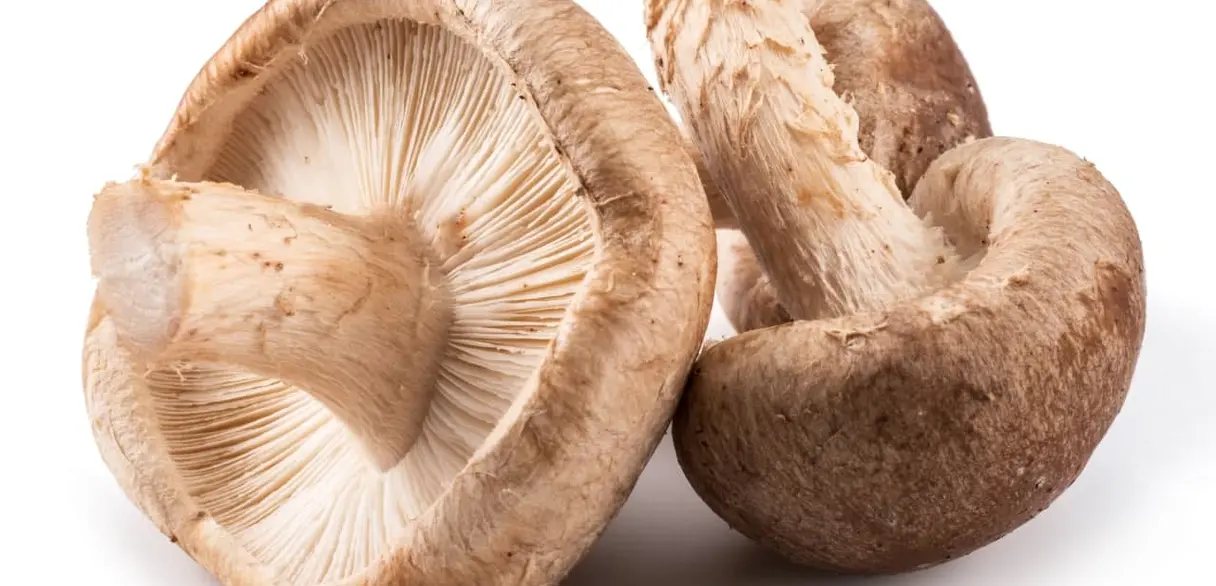
Shiitake (Lentinula edodes, houževnatec jedlý, "queen of mushrooms", Xiang Gu /fragrant mushroom/) is a polypore, wood-decaying fungus, which means that the mushroom uses the wood on which it grows as a source of nutrients for its growth. Shiitake can be found on damaged trees, trunks, stumps, and fallen branches of mainly deciduous trees. It is also possible to grow the mushroom on logs. Shiitake is a medium-sized mushroom that has a light to dark brown cap covered with scales. This cap is 5 to 12 centimetres in diameter and is placed on a stalk 3 to 5 centimetres high. Shiitake is widely used in the kitchen. Its flesh is firm and easy to work with. Moreover, the mushroom has a strong and distinct taste, and the same applies to its aroma.
Especially in Asia, the mushroom is very popular and has been cultivated on a large scale since approximately 1000 AD. However, in Asia, Shiitake is not only a food but also a medicinal plant. China and Japan have millennia of experience with it. In Japan, there are writings dating back to 199 AD that describe the use of Shiitake for treating diseases. The Kyusuy tribe brought Shiitake to the Japanese emperor as a gift. Shiitake is also well described in Chinese herbals and is referred to there as an elixir of life. Many texts in which Shiitake is mentioned date from the period 960 to 1127, when the Song dynasty was in power. These texts come from the pen of Wu San Kwung. It was during this time that Shiitake began to be cultivated. Wang Cheng analysed the cultivation of Shiitake in depth in a text from 1313.
Although Shiitake has been known to the Asian population for thousands of years, it was first described and classified into the plant system for the scientific world in 1877 by M. J. Berkeley. At that time, Shiitake was given the name Agaricus edodes. It was not until 1976 that it was renamed thanks to D. Pegler, who reclassified it into the genus Lentinula.
The substances contained in Shiitake are now being studied in detail. Particular attention is drawn to the polysaccharide lentinan, which, among other places, is used in Japan as part of adjuvant cancer therapy.
Nature (Si Qi): neutral
Taste (Wu Wei): sweet
Tropism (Gui Jing): stomach, spleen, lungs
1, Regulation of the immune system
2, Cough
3, Strengthens the spleen and the centre
4, Metabolic syndrome
5, Supportive in cancer treatment
6, Skin problems
Used for skin problems, e.g.:
7, Arthrosis
8, Osteoporosis
9, Rheumatoid diseases
10, Cardiovascular problems
11, Protects the liver
12, Dental plaque
13, Lowers homocysteine levels
a, Mushrooms in the form of extracts (recommended form of use)
If you are using mushrooms in the form of 30% extracts, I recommend:
Preventive use
For milder health problems
For more serious health problems
b, Mushrooms in tincture
c, Mushrooms in the form of powder (biomass)
d, Dried mushrooms
Mushrooms are largely made up of water. Shiitake is no exception. Up to 90% of its weight is water. However, the remaining dry matter is full of biologically active substances, among which carbohydrates, proteins, and substances that are carriers of aroma and taste dominate, e.g., substances with sulphur, ketones, and for Shiitake, or rather its aroma, the compound 1,2,3,5,6-pentathiepan is typical.
Mushrooms are rich in sugar components. The main ones are polysaccharides, which also include beta-glucans and insoluble fibre. The first mentioned have many biological effects, the most important of which is the stimulation of the immune system; furthermore, they reduce oxidative stress and act against tumours. In Shiitake, I have glucans branched at positions 4 and 6, i.e., (1-4)-, (1-6)-beta-D-glucans. Beta-glucans typical for Shiitake are lentinans; these are polysaccharides that are obtained from the cell walls of mature mushrooms. Lentinans have glucose attached to the main central chain at positions (1-3) or (1-6). Just like other beta-glucans, lentinans are soluble in water; they can be absorbed from the intestine into the blood, also thanks to the fact that they get into the intestine, as they resist the acidic environment in the stomach and also the alkaline one.
Besides these absorbable polysaccharides, there is also non-absorbable fibre in Shiitake, i.e., crude fibre, which serves as a source of energy for symbiotic intestinal bacteria.
In Shiitake, there are also substances that are formed by sugar and peptides, mainly KS-2, alpha-mannan peptide. This can be obtained from the mycelium of Shiitake and acts against tumours.
Besides high-molecular substances, individual sugars, i.e., monosaccharides, are present in Shiitake. Mainly these are trehalose, mannitol, mannose, arabinol, and glycerol.
Just like with Maitake, standardised extracts are also produced from Shiitake, under the names LEM and LAP (EP3). These are extracts rich in glycoproteins (compounds of fats and proteins), polysaccharides, proteins, and phenolic substances. LEM is also enriched with compounds derived from nucleic acids, vitamins B and D. These extracts have immunostimulatory, antimicrobial, and anti-tumour effects.
Besides carbohydrates, Shiitake contains amino acids, peptides, and proteins.
Shiitake contains the entire amino acid spectrum. We can find in it both non-essential amino acids, which our organism can create, and essential ones, which it cannot create and is dependent on intake from food. In Shiitake, these amino acids are in the highest concentrations:
In smaller amounts, it also contains:
Proteins in Shiitake are represented by various types of enzymes that decompose wood mass, from which the mushroom obtains nutrients. These are, for example, glucosidases, xylases, amylases, cellulases, proteinases...
An important component is the peptide Latcripin-7A (LP-7A). This peptide acts against tumours and as an antioxidant.
Fatty acids, i.e., representatives of fats, are also not missing in Shiitake. It is important that almost 80% of all fatty acids are unsaturated fatty acids, i.e., those that are beneficial for our health. These are, for example:
From saturated fatty acids, we can mention, for example, palmitic and stearic acid.
Shiitake contains many different minerals and trace elements. Their amount is often influenced by the place where the mushroom grows. Commonly, the mushroom contains:
Vitamins in Shiitake are represented mainly by vitamins from the B group, including vitamin B12, beta-carotene, and vitamin E. Furthermore, there is ergosterol in Shiitake, i.e., vitamin D2.
These are secondary metabolites in the mushroom. The most prominent representative is octa-2,3-diene-5,7-diyne-1-ol, i.e., lentinamycin.
Lenthionin (1,2,3,5,6-pentathiepan), which gives Shiitake its aroma together with
1,2,4,6-tetrathiepan and 1,2,3,4,5,6-hexathiepan. These substances also have antibiotic effects.
Lovastatin is a substance that can reduce the activity of hydroxymethylglutaryl CoA reductase (HMGCoA), which is involved in cholesterol synthesis. Its blockade can reduce cholesterol values in the blood.
Phenols have significant antimicrobial, anti-tumour, and antioxidant effects. In Shiitake, there are, for example:
An important component of Shiitake are also purine alkaloids:
These components reduce the activity of S-adenosyl-L-homocysteine hydrolase. This means that purine alkaloids can limit the formation of homocysteine. Furthermore, they influence the activity of the angiotensin-converting enzyme, thanks to which they can reduce blood pressure.
When describing the composition of Shiitake, we cannot omit lycopene. This is a substance that has a tetraterpenoid character. It is known mainly from tomatoes; it is a carotenoid, i.e., a yellow/red pigment. We know that it can reduce oxidative stress. The organism can use it if the food undergoes higher temperatures and fat is added.
From the compounds described above, it is probably clear that Shiitake has many effects and can help with many problems.
The immune system protects us from danger from the outside and inside (pathogens, tumour cells). It is burdened daily and must face new and new challenges, which can also weaken it or disrupt its functions. The immune system can also function "badly"; it can react to non-dangerous stimuli, i.e., e.g., allergens, or even to its own proteins, when autoimmune inflammation develops.
Shiitake can harmonise the immune system so that it can face danger and at the same time not threaten us.
The components that act on the immune system are mainly polysaccharides, beta-glucans. They can stimulate immune cells and thus increase the immune response. If polysaccharides were added directly to immune cells, it was found that the production of substances that stimulate the immune system increases, i.e., e.g., IL-1, IL-6, TNF alpha, interferon gamma are produced. If scientists activated cells capable of engulfing foreign material, or their own damaged structures, this ability, i.e., phagocytosis, increased. Phagocytosing cells include, for example, dendritic cells, macrophages, neutrophils... Besides increasing phagocytosis, the ability to eliminate the engulfed material also improves, including bacteria, virions... The engulfed material is broken down into small parts, proteins, peptides, which the phagocytosing cell then displays on its surface to alert other immune cells to the presence of danger. T lymphocytes (CD4+) are thus activated, which can activate B lymphocytes, which are responsible for the production of antibodies. However, T lymphocytes (CD8+) are also activated, which have a cytotoxic function, destroying damaged, tumour, or infected cells. It was also found that Shiitake stimulates other natural killer cells, i.e., NK; these have a similar function to CD8 T lymphocytes.
Many studies have been conducted with animals, where it was confirmed that Shiitake increases immunity. We will mention one interesting one. The authors investigated whether polysaccharides from Shiitake together with other natural substances, e.g., ginger, increase the defensive response after the administration of an inactivated flu vaccine. Vaccines are administered to induce a sufficiently strong reaction, at least as strong as after undergoing an infection. The authors tried to boost immunity with Shiitake before vaccination so that it would then react better to the vaccination. In mice that received a natural preparation before vaccination, there was a greater production of IgG and IgG2 antibodies. Then the mice were exposed to the flu virus. Mice that were vaccinated + received a preparation with Shiitake resisted the infection very well.
There are also studies that were conducted with volunteers. One worked with 80 people who were divided into 2 groups. 40 received Shiitake and 40 an ineffective preparation. After 8 weeks, the results were evaluated, and it turned out that in people with Shiitake, there was an increase in NK cell activity and the production of important interferon gamma.
In another study, there were 52 volunteers, 21 to 41 years old, who were given Shiitake, either 5 or 10 grams of Shiitake per day. The volunteers used the mushroom for 4 weeks. Then blood samples were taken, which proved that Shiitake consumption was associated with an increase in the number of γδ T lymphocytes and the concentration of many cytokines, e.g., IL-4, IL-10, and TNF-α and IL-1α. It was also interesting that the concentration of IgA antibodies in saliva increased, and conversely, the value of the inflammation marker CRP decreased.
Now we have talked about strengthening the immune response. However, sometimes it is necessary to moderate the immune response, in the case of allergies and autoimmune reactions. A damaging inflammation develops, which gradually destroys the organism.
Scientists monitored whether Shiitake could help in the case of Crohn's disease. This is an inflammation in the digestive tract. Digestive difficulties appear, diarrhoea, even bloody, weight loss, even perforation of the intestine, formation of fistulas, etc., can occur. Patients are treated with drugs that suppress the immune system; sometimes it is necessary to remove the affected part of the intestine surgically. Part of the mice with Crohn's disease was given Shiitake and part not. Mice with Shiitake had a higher weight, the number of stools decreased. The mice were in much better condition.
Besides autoimmune inflammations, Shiitake can also dampen allergic inflammations. Scientists tested the effects of Shiitake on atopic dermatitis in mice. They had an acute form, i.e., with inflammation, redness, and blisters forming. The rash itched, the skin was swollen, etc. In skin samples from the lesions, there was a large amount of immune cells; mast cells and granulocytes accumulated the most. Administration of Shiitake led to a reduction in the extent of the affected skin; the symptoms of dermatitis were alleviated. In skin samples, there were much fewer immune cells, and in the blood, the value of IgE antibodies, which increase in allergies, decreased. The values of cytokines increasing inflammation also decreased.
Shiitake can therefore harmonise the immune system, not just stimulate or just dampen it.
Liu M, Li J, Kong F, Lin J, Gao Y, 1998. Induction of immunomodulating cytokines by a new polysaccharide-peptide complex from culture mycelia of Lentinus edodes. Immunopharmacology, 40, 187-198.
Israilides, C.; Kletsas, D.; Arapoglou, D.; Philippoussis, A.; Pratsinis, H.; Ebringerova, A.; Hribalova, V.; Harding, S.E. In vitro cytostatic and immunomodulatory properties of the medicinal mushroom Lentinula edodes. Phytomedicine, 2008, 15, 512-519
Kupfahl, C.; Hof, G.H. Lentinan has a stimulatory effect on innate and adaptive immunity against murine Listeria monocytogenes infection. Int. Immunopharmacol., 2006, 6, 686-696.
Zheng, R.; Jie, S.; Hanchuan, D.; Moucheng, W. Characterization and immunomodulating activities of polysaccharide from Lentinus edodes. Int. Immunopharmacol., 2005, 5, 811-820.
Yoshino, S., Tabata, T., Hazama, S., Iizuka, N., Yamamoto, K., Hirayama, M., Tangoku, A. & Oka. M. (2000). Immunoregulatory effects of the anti-tumor polysaccharide lentinan on Th1/Th2 balance in patients with digestive cancers. Anticancer Research, 20: 4707-4711.
Gaullier JM, Sleboda J, Øfjord ES, Ulvestad E, Nurminiemi M, Moe C, Tor A, Gudmundsen O. Supplementation with a soluble β-glucan exported from Shiitake medicinal mushroom, Lentinus edodes (Berk.) singer mycelium: a crossover, placebo-controlled study in healthy elderly. Int J Med Mushrooms. 2011;13(4):319-26.
Lee JY, Kim JY, Lee YG, Rhee MH, Hong EK, Cho JY.Molecular mechanism of macrophage activation by Exopolysaccharides from liquid culture of Lentinus edodes. J Microbiol Biotechnol. 2008;18(2):355-64.
Zhu H, Hu M, Wang D, Xu G, Yin X, Liu X, Ding M, Han L. Mixed polysaccharides derived from Shiitake mushroom, Poriacocos, Ginger, and Tangerine peel enhanced protective immune responses in mice induced by inactivated influenza vaccine. Biomed Pharmacother. 2020 Jun;126:110049. doi: 10.1016/j.biopha.2020.110049.
Dai X, Stanilka JM, Rowe CA, Esteves EA, Nieves C Jr, Spaiser SJ, Christman MC, Langkamp-Henken B, Percival SS.Consuming Lentinula edodes (Shiitake) Mushrooms Daily Improves Human Immunity: A Randomized Dietary Intervention in Healthy Young Adults. J Am Coll Nutr. 2015 Apr 11:1-10.
Choi J, Paik D-J, Kwon DY, Park Y. Dietary supplementation with rice bran fermented with Lentinus edodes increases interferon-γ activity without causing adverse effects: a randomized, double-blind, placebo-controlled, parallel-group study. Nutrition Journal. 2014;13:35. doi:10.1186/1475-2891-13-35.
Choi EJ, Park ZY, Kim EK. Chemical Composition and Inhibitory Effect of Lentinula edodes Ethanolic Extract on Experimentally Induced Atopic Dermatitis in Vitro and in Vivo. Molecules. 2016 Jul 29;21(8).
Shi L, Lin Q, Yang T, Nie Y, Li X, Liu B, Shen J, Liang Y, Tang Y, Luo F. Oral administration of Lentinus edodes β-glucans ameliorates DSS-induced ulcerative colitis in mice via MAPK-Elk-1 and MAPK-PPARγ pathways. Food Funct.2016, 7, 4614-4627.
Tumour diseases are increasingly common in the population. This is due to our lifestyle, the fact that we live to an older age, etc. Cancer treatment is much more successful today, but many people still succumb to tumour diseases. Ways are being sought to help patients and burden them as little as possible with treatment.
Shiitake could also help.
Many studies have been conducted that have confirmed the effectiveness of Shiitake.
Experiments are most often performed directly on tumour cells. Cell cultures are created in which tumour cells thrive, and then Shiitake is added to them, and it is observed how the cells react. The positive influence of Shiitake was confirmed on colon, breast, liver, sarcoma cancer cells, etc. These cells stopped multiplying in the presence of Shiitake and even began to die, because Shiitake triggers processes in the cell that lead to apoptosis (programmed cell death). It is interesting that the same concentration of the mushroom that kills tumour cells is completely harmless to healthy cells. This is because tumour cells have a completely different metabolism.
Studies were also conducted on animals in which a tumour is induced or implemented. Part of the animals then receives Shiitake and part not. And the condition of the animals from both groups is compared. We will mention a study with sarcoma in mice. Sarcoma is a very difficult-to-treat cancer. Part of the mice received 1 to 5 mg of the mushroom. Tumour growth in mice that were treated with Shiitake decreased by 97.5%. Moreover, in 6 out of 10 mice, there was a complete removal of the tumour.
Another plus of Shiitake is also that it strengthens the effect of chemotherapy. This means that if Shiitake is added, it is possible to reduce the dose of the chemotherapeutic agent while maintaining the same effect. This was proven on liver cancer cells that were exposed to 5-fluorouracil.
Clinical studies were also conducted with Shiitake. In one, there were 8 patients with stomach and colon cancer. These were treated with chemotherapy. In the first cycle of chemotherapy, they received only chemotherapeutic agents; in the second round, Shiitake was also added to the chemotherapeutic agents, and the patients described how they felt during these two cycles. They stated that during the second cycle, they felt better. They had fewer side effects. Blood tests revealed that thanks to Shiitake, there was not such a massive suppression of the immune system.
In another study, there were 10 patients on immunotherapy who received 1,800 mg/day of LEM for 4 weeks. In these patients, there was an increase in the concentration of interferon gamma, and they also described an improvement in their condition.
In one meta-analysis, which included the results of several studies, there were 650 patients; here too, it was shown that the addition of lentinans to treatment had a positive effect and prolonged the survival length of patients even with advanced stomach cancer.
A good result was also achieved in a clinical study in patients with advanced prostate carcinoma. 69 patients underwent chemotherapy, and 33 then also received lentinans. In patients with lentinans, the survival time was prolonged. While patients without Shiitake lived to 35 months, patients with Shiitake lived to 48.
As the last, we will mention a meta-analysis of patients with lung cancer. This evaluated data from 12 studies, in which there were 458 patients with chemotherapy + lentinans and 492 patients only with chemotherapy. Again, patients with lentinans were better off than those without them. The adverse impact of chemotherapy was reduced, e.g., damage to the intestinal system by more than 50%, suppression of immune system function was about 35% less, etc.
Yin X, Ying J, Li L, Zhang H, Wang H. A meta-analysis of lentinan injection combined with chemotherapy in the treatment of nonsmall cell lung cancer. Indian J Cancer. 2015 Nov;52 Suppl 1:e29-31.
Tari K, Satake I, Nakagomi K, Ozawa K, Oowada F, Higashi Y, Negishi T, Yamada T, Saito H, Yoshida K. Effect of lentinan for advanced prostate carcinoma. Hinyokika Kiyo. 1994;40(2):119-23.
Oba K, Kobayashi M, Matsui T, Kodera Y, Sakamoto J. Individual patient based meta-analysis of lentinan for unresectable/recurrent gastric cancer. Anticancer Res. 2009;29(7):2739-45.
Gu YH, Belury MA. Selective induction of apoptosis in murine skin carcinoma cells (CH72) by an ethanol extract of Lentinula edodes. Cancer Lett. 2005;220(1):21-8.
Cao X, Liu R, Liu J, Huo Y, Yang W, Zeng M, Yang C. A novel polysaccharide from Lentinus edodes Mycelia exhibits potential antitumor activity on laryngeal squamous cancer cell line Hep-2. Appl Biochem Biotechnol. 2013;171(6):1444-53.
Tanigawa K, Ito Y, Sakai M, Kobayashi Y. Evaluation of quality of life and immune function in cancer patients receiving combined immunotherapy and oral administration of lentinula edodes mycelia extract. Gan To Kagaku Ryoho. 2012;39(12):1779-81.
Ina K, Kataoka T, Ando T. The use of lentinan for treating gastric cancer. Anticancer Agents Med Chem. 2013s;13(5):681-8.
Wang Y, Han X, Li YD, Zhao SY, Zhang DJ, ZhaO ZH, Wang YB. Effects of tumor-specific antigen induced by lentinan on murine H22 hepatocellular carcinoma immunoprophylaxis. Eur Rev Med Pharmacol Sci. 2015 Dec;19(23):4516-24.
Our environment is full of pathogens, viruses, bacteria, parasites, and fungi that attack us day after day, and the immune system repels their attacks. We do not even notice that we have been in contact with a pathogen. Sometimes, however, the pathogen wins for a time, and an infectious disease appears. We cannot treat most viral infections; we only alleviate the symptoms. Bacterial infections can be addressed with antibiotics, but the problem is that bacterial resistance is increasing, as is the case with parasites and fungi.
Shiitake contains substances that can help us deal with infections. And that is through two mechanisms. One of them is strengthening the immune system; the second is a direct toxic effect on pathogens.
Shiitake is very strong against bacteria, also thanks to lentinamycin, which has antibiotic effects. These are tested directly on bacteria. Bacterial colonies are left to grow, the bacteria multiply, then Shiitake or individual components from it are added, and it is observed how it will affect the bacteria. Shiitake limits the multiplication of many types of bacteria and kills a large amount, e.g., golden staphylococcus, streptococci, salmonella. Shiitake is also tested on animal models, when, e.g., mice are infected with bacteria. In one study, mice were infected with typhoid. Part of the mice received Shiitake, part not. Mice that did not receive Shiitake died more; they succumbed to the infection. Shiitake was also tested on fish that were infected with the deadly bacterium Lactococcus garvieae. If the fish were fed Shiitake, the mortality of the infected fish decreased, and moreover, many fish did not even get infected.
An interesting study also took place with beta-glucans from Shiitake, which were used for the treatment of rats infected with an antibiotic-resistant bacterium causing pneumonia, i.e., Klebsiella pneumoniae. Infected rats that received lentinans were in better condition; acute pneumonia did not develop, and sepsis did not occur.
It is also worth mentioning that Shiitake can also rid plants of bacterial infections. It destroys bacteria that attack tomatoes, i.e., Xanthomonas campestris. This infection manifests on tomatoes as black spots on the fruits and leaves.
Shiitake can also deal with viral infections. Effectiveness was proven against the polio virus, i.e., polio, and also against the HIV virus and herpes viruses. It can also help with hepatitis B. In a clinical study, Shiitake was administered to 40 patients with chronic hepatitis B. In 17 patients, the replication (multiplication) of the virus decreased, and in all, there was an improvement in the condition of the liver.
Shiitake can also be used against yeasts and moulds. It can deal with, e.g., Candida albicans or aspergilli. It turns out that it is also suitable to use Shiitake in combination with antimycotics, i.e., with amphotericin; the effectiveness increases.
Hearst R, Nelson D, McCollum G, Millar BC, Maeda Y, Goldsmith CE, Rooney PJ, Loughrey A, Rao JR, Moore JE. An examination of antibacterial and antifungal properties of constituents of Shiitake (Lentinula edodes) and oyster (Pleurotus ostreatus) mushrooms. Complement Ther Clin Pract. 2009 Feb;15(1):5-7.
Kim SP, Park SO, Lee SJ, Nam SH, Friedman M. A Polysaccharide isolated from the liquid culture of Lentinus edodes (Shiitake) mushroom mycelia containing black rice bran protects mice against salmonellosis through upregulation of the Th1 immune reaction. J Agric Food Chem. 2014;62(11):2384-91.
Jung BG, Lee JA, Lee BJ. Immunoprophylactic effects of shiitake mushroom (Lentinula edodes) against Bordetella bronchiseptica in mice. J Microbiol. 2012;50(6):1003-8.
Sun J, Wang H, Ng TB. Isolation of a laccase with HIV-1 reverse transcriptase inhibitory activity from fresh fruiting bodies of the Lentinus edodes (Shiitake mushroom). Indian J Biochem Biophys. 2011;48(2):88-94.
The medicinal benefits of Lentinan (β-1, 3-D glucan) from Lentinus edodes (Berk.) singer (Shiitake Mushroom) through oral administration. Yap A.T, Ng M.H. Int J Med Mushr. 2005;7(12):170
Sarkar, S. Effect of the extract of culture medium of Lentinus edodes on the replication of the herpes simplex virus type 1. Antiviral. Res., 1993, 20, 293-303.
Chihara, G. Immunopharmacology of Lentinan, a polysaccharide isolated from Lentinus edodes: its applications as a host defence potentiator. Int. J. Oriental Med., 1992, 17, 57-77.
Gordon M, Bihari B, Goosby E, Gorter R, Greco M, Guralnik M, Mimura T, Rudinicki V, Wong R, Kaneko Y. A placebo-controlled trial of the immune modulator, lentinan, in HIV-positive patients: a phase I/II trial. J Med. 1998;29(5-6):305-30.
Hirasawa M, Shouji N, Neta T, Fukushima K, Takada K. Three kinds of antibacterial substances from Lentinus edodes (Berk.) Sing. (Shiitake, an edible mushroom). Int J Antimicrob Agents. 1999;11(2):151-7.
Masterson CH, Murphy EJ, Gonzalez H, Major I, McCarthy SD, O'Toole D, Laffey JG, Rowan NJ. Purified β-glucans from the Shiitake mushroom ameliorates antibiotic-resistant Klebsiella pneumoniae-induced pulmonary sepsis. Lett Appl Microbiol. 2020 Oct;71(4):405-412. doi: 10.1111/lam.13358.
Pérez-Cantero A, Serrano DR, Navarro-Rodríguez P, Schätzlein AG, Uchegbu IF, Torrado JJ, Capilla J. Increased Efficacy of Oral Fixed-Dose Combination of Amphotericin B and AHCC® Natural Adjuvant against Aspergillosis. Pharmaceutics. 2019 Sep 3;11(9):456. doi: 10.3390/pharmaceutics11090456.
The current era is associated with a higher intake of energy and reduced movement. Many people suffer from overweight or obesity, which is associated with an increase in the concentration of fats in the blood. Excess fats are stored in adipose tissue, the liver, but also in the vascular walls. This leads to the development of inflammation and remodelling of the vascular wall, i.e., atherosclerosis develops. This is associated with an increase in blood pressure, impaired blood flow through vessels, formation of blood clots, damage to the heart, heart attacks, etc. It is therefore important to know the level of fats in the blood and, in case of an increase, to lower them.
Shiitake can help with this problem. The substance eritadenine plays an important role. Its effect is based on the fact that it accelerates the removal of cholesterol both from the blood and from the organism. It can also limit cholesterol synthesis. In an experiment with rats with high cholesterol, the administration of eritadenine led to a 25% reduction in cholesterol.
Besides this substance, crude fibre also supports the reduction of fats, which binds fats to itself in the intestine and is excreted in the stool. The cholesterol-lowering effect was also proven for beta-glucans.
The results of other studies on animals proved that despite the administration of a high-fat diet, Shiitake reduces the values of total cholesterol, bad LDL cholesterol, and triglycerides; moreover, it increases the values of good HDL cholesterol.
Shiitake was also tested in studies with volunteers who were given fresh mushrooms for 7 days, 90 grams. The volunteers did not follow anything else. There was a reduction in the concentration of fats by 12% in them.
Reducing fat levels in the organism is beneficial for the cardiovascular system. In experiments with rabbits that had a high-fat diet and damage to vessels occurred, the administration of Shiitake led to a reduction in fats and a reduction of atherosclerotic plaques in the vessels. In mice that were fed a high-fat diet and easily develop atherosclerosis, Shiitake with portobello reduced the formation of lesions in the aorta by 86%, as well as damage to the valves.
Shiitake also lowers blood pressure by suppressing the function of the angiotensin-converting enzyme, just like drugs that hide under the abbreviation ACE inhibitors.
Dian Handayani, Barbara J. Meyer, Jiezhong Chen, Simon H. J. Brown, Todd W. Mitchell, and Xu-Feng Huang. A High-Dose Shiitake Mushroom Increases Hepatic Accumulation of Triacylglycerol in Rats Fed a High-Fat Diet: Underlying Mechanism. Nutrients. 2014; 6(2): 650–662.
Enman J, Hodge D, Berglund K.A, Rova U.Production of the bioactive compound eritadenine by submerged cultivation of shiitake (Lentinus edodes) mycelia. J Agric Food Chem. 2008;56(8):2609-12.
Enman J, Rova U, Berglund K.A. Quantification of the bioactive compound eritadenine in selected strains of shiitake mushroom (Lentinus edodes). J Agric Food Chem. 2007;55(4):1177-80.
Yoon KN, Alam N, Lee JS, Cho HJ, Kim HY, Shim MJ, Lee MW, Lee TS. Antihyperlipidemic Effect of Dietary Lentinus edodes on Plasma, Feces and Hepatic Tissues in Hypercholesterolemic Rats. Mycobiology. 2011;39(2):96-102.
Tsutomu Yamada, Toshinori Oinuma, Mari Niihashi, Masako Mitsumata, Takayuku Fujioka, Kenji Hasegawa, Hitoshi Nagaoka, Hiroshige Itakura. Effects of Lentinus edodes mycelia on dietary-induced atherosclerotic involvement in rabbit aorta. J Atheroscler Thromb 2002 ;9(3):149-56.
Yu S, Wu X, Ferguson M, Simmen RC, Cleves MA, Simmen FA, Fang N. Diets Containing Shiitake Mushroom Reduce Serum Lipids and Serum Lipophilic Antioxidant Capacity in Rats. J. Nutr. 2016 Oct 19.
Rahman MA, AbdullahN, Aminudin N. Lentinula edodes (shiitake mushroom): An assessment of in vitro anti-atherosclerotic bio-functionality. Saudi Journal of Biological Sciences · February 2016.
Morales D, Tejedor-Calvo E, Jurado-Chivato N, Polo G, Tabernero M, Ruiz-Rodríguez A, Largo C, Soler-Rivas C. In vitro and in vivo testing of the hypocholesterolemic activity of ergosterol- and β-glucan-enriched extracts obtained from shiitake mushrooms (Lentinula edodes). Food Funct. 2019 Nov 1;10(11):7325-7332. doi: 10.1039/c9fo01744e.
Kim SH, Thomas MJ, Wu D, Carman CV, Ordovás JM, Meydani M. Edible Mushrooms Reduce Atherosclerosis in Ldlr-/- Mice Fed a High-Fat Diet. J Nutr. 2019 Aug 1;149(8):1377-1384. doi: 10.1093/jn/nxz075.
Paisansak S, Sangtanoo P, Srimongkol P, Saisavoey T, Reamtong O, Choowongkomon K, Karnchanatat A. Angiotensin-I converting enzyme inhibitory peptide derived from the shiitake mushroom (Lentinula edodes). J Food Sci Technol. 2021 Jan;58(1):85-97. doi: 10.1007/s13197-020-04517-z.
Diabetes is a relatively insidious disease; if a person does not get into an acute state, i.e., hypo- or hyperglycaemic shock/coma, they often do not suspect that they suffer from diabetes. Especially if it is type II diabetes, which occurs more often in older and obese people. However, an increased value of sugar in the blood damages vessels, nerves, organs, e.g., the retina, kidneys, but also the immune system. And this manifests only after years. In type II diabetes, it is not only about the fact that there is reduced to zero insulin production, but also about the fact that cells do not react to insulin and behave as if it were missing in the body, i.e., insulin resistance is present.
In experiments on diabetic animals, it was proven that the administration of Shiitake reduces the value of blood sugar. It also reduces the values of glycated haemoglobin. If the blood sugar level is increased for a long time, it binds to this blood pigment. Furthermore, inflammation in the pancreas also decreased, and insulin production increased. In some studies, glycaemia dropped by up to 25% thanks to Shiitake.
Yamac, M.; Kanbak, G.; Zeytinoglu, M.; Bayramoglu, G.; Senturk, H.; Uyanoglu, M. Hypoglycemic effect of Lentinus strigosus (Schwein.) Fr. crude exopolysaccharide in streptozotocin-induced diabetic rats. J. Med. Food, 2008, 11(3), 513-517.
Free radicals, if they arise in the body in excess, cause oxidative stress. Free radicals react with fats in membranes and DNA; this leads to damage to cells, acceleration of degenerative processes, chronic inflammations, but also to an increase in the risk of cancer. Free radicals also arise during physiological processes, e.g., nutrient metabolism, but if the organism is exposed to stress, toxins, harmful substances, the formation of free radicals increases and exceeds compensatory mechanisms. The organism contains antioxidants and enzymes that remove free radicals.
Shiitake contains many components that act as antioxidants, e.g., polysaccharides, phenols, vitamins...
Studies with solutions and on animals proved that Shiitake neutralises free radicals very successfully and thus reduces oxidative stress. It is thus a prevention of many diseases, including cancer.
Ana Carolina da Silva, Neuza Jorga. Antioxidant properties of lentinus edodes and agaricus blazei extrakt.
Journal of Food Quality. 12/2011; 34(6).Finimundy TC, Gambato G, Fontana R, Camassola M, Salvador M, Moura S, Hess J, Henriques JA, Dillon AJ, Roesch-Ely M. Aqueous extracts of Lentinula edodes and Pleurotus sajor-caju exhibit high antioxidant capability and promising in vitro antitumor activity. Nutr Res. 2013;33(1):76-84.
Ming-Tsung Yen, Yu-Hsiu Tseng, Ruei-Chian Li, Jeng-Leun Mau. Antioxidant properties of fungal chitosan from shiitake stipes. LWT 40 (2007) 255–261.
The liver is a very burdened organ, which although has great regenerative abilities, can still be damaged. The liver performs many functions, so its damage manifests as a significant reduction in health. They are damaged by drugs, toxins, alcohol, viral hepatitis, autoimmune inflammations, fat storage, etc.
Many mechanisms that protect the liver we have already mentioned above.
Shiitake can help if the liver is affected by viral hepatitis. It will limit the multiplication of viruses and support regeneration.
Shiitake reduces inflammation, acts anti-inflammatorily, so it can alleviate autoimmune liver inflammations.
Thanks to reducing fats in the blood, it protects the liver from fat deposition and the development of hepatosteatosis, i.e., fatty liver.
So that we do not speak only abstractly, we will also mention studies. In one, mice were exposed to the action of a toxic substance. Part was given Shiitake, part nothing. Mice with Shiitake had a much less damaged liver. In the blood, there were lower values of liver enzymes, and fibrosis did not occur.
Akamatsu, S.; Watanabe, A.; Tamesada, M.; Nakamura, R.; Hayashi, S.; Kodama, D.; Kawase, M.; Yagi, K. Hepatoprotective effect of extracts from Lentinus edodes mycelia on dimethylnitrosamine-induced liver injury. Biol. Pharm Bull., 2004, 27(12), 1957-1960.
Yang H, Hwang I, Kim S, Hong EJ, Jeung EB. Lentinus edodes promotes fat removal in hypercholesterolemic mice. Exp Ther Med. 2013;6(6):1409-1413. Epub 2013 Oct 8.
Yagi K. Liver protective effect of Lentinula edodes mycelia(LEM). Gan To Kagaku Ryoho. 2012;39(7):1099-102.
Homocysteine is a substance that has a tendency to settle and damage the nervous and cardiovascular system. There is therefore an effort to limit its formation and increase its degradation. In an experiment on mice that had a high value of homocysteine, Shiitake was administered, and thanks to this, a decrease in values occurred. Shiitake strengthens the activity of the enzyme S-adenosyl-L-homocysteine hydrolase, which is responsible for

Characteristics and effects of mushrooms according to traditional Chinese medicine

Description of herbal blends, effects according to Chinese medicine and main usage

Dietary recommendations including individual foods for specific patterns

Characteristics and effects of herbs according to traditional Chinese medicine

Characteristics of food and its influence on individual organs

Classification of herbs and mushrooms by individual diseases


Subscribe to our newsletter and you won't miss any promotions or important information