

Description of the Dampness and Phlegm pattern
If we weaken Spleen Qi through our diet (see the "Qi deficiency" section), the Spleen struggles to transform food and produces little Qi and blood. Since these are the fuel for our organism, we often feel tired, experience various digestive problems, etc. However, this is only one part of the problem. A weakened Spleen also creates too much dampness, which begins to accumulate somewhere in the organism as pathological dampness and later as phlegm. This Spleen problem is often exacerbated by a deficiency of Kidney Yang.
Symptoms of the Dampness and Phlegm pattern
Phlegm is an unpleasant pathogen that can be visible or invisible. As a visible pathogen, we most often cough it up, blow it out of our nose, or it drips down our throat. But there is also an "invisible" form that causes various blockages in the organism. It may close the orifices of the heart, which manifests as psychological problems or perception issues, causes excess fat, produces nodules and cysts, etc. It belongs to the pathogens that slow everything down and cause stagnation.
Dampness manifests as: feelings of heaviness, swelling, diarrhoea, gynaecological discharge, slowed thinking, laziness, oedema, feelings of fatigue, exhaustion, dull headaches, frequent infections in children, and obesity.
Dampness is also a breeding ground for various pathogens. If we want to get rid of persistent pathogens like yeast, it is not enough to just kill them; we must also deprive them of their food source. We must drain the dampness from the organism.
The organs most affected are: the Spleen, Lungs, and Kidneys - especially their Yang.
The Lungs govern the movement of water, and they govern dispersion and filtration. Fluids moisten our body, but if the body becomes obstructed, it can lead to sweating and urination disorders, watery oedema, and the thickening of phlegm.
The Spleen, among other things, governs transportation and transformation. Trouble-free processing of food and excretion has a positive effect on water pathways, but if the Spleen is weakened, the cycle is disrupted, and diarrhoea, watery oedema, or bloating appear.
The Kidneys, among other things, govern water, so any problems with water metabolism disorders, watery oedema, and urination disorders indicate a weakness of the Kidneys.
General dietary principles for the Dampness and Phlegm pattern
When treating dampness and phlegm, two things must be taken into account. Firstly, one must avoid foods that create dampness and phlegm, such as dairy products, industrially processed carbohydrates, sweets, and hearty or excessively artificially supplemented foods. Secondly, one must follow a diet that supports the high performance of the Spleen and Stomach.
In cases where the complete removal of unsuitable foods would be too restrictive for the patient, certain adjustments can be made, and various combinations can be tried. The formation of dampness can be specifically prevented by adding bitter, pungent, or drying foods to hearty or sweet dishes. Common examples of this approach include combining meat with mustard, horseradish, and bitter or pungent vegetables such as turnips and squash, serving pungent mixtures (prepared with plenty of onion, garlic, or pesto) with pasta, combining cheese with chutney, drinking wine with meat dishes and green tea with fried foods, and preferring bitter light beers. With a little thought, it takes no special effort to adjust a typical Western diet so that it is not so unhealthy and does not create so much dampness.
General notes
The general principles and food choices for maintaining healthy Spleen Qi apply here.
Yes: Emphasise bitter and pungent flavours; all food should be cooked and warm; low intake of fats and oils, dairy products, and sugar; eat smaller portions at each meal.
No: Do not eat late at night, avoid fried and fast-food meals.
Preferred cooking methods: long boiling, steamed or blanched vegetables, quick preparation in a wok.
Recommended foods
We eat more thermally processed food because we need to strengthen the Spleen and Lungs; we can afford slightly pungent spices that move dampness and do not lead it to the Bladder (turmeric, anise, curry, basil, tarragon, cardamom, coriander, raw ginger, cumin, marjoram, oregano, rosemary, thyme, chives, allspice).
Buckwheat, barley, corn, rye, sourdough bread, caraway rye bread, gingerbread, roasted oat flakes, lettuce, celery, squash, onion, shallot, garlic, turnip, watercress, adzuki beans, broad beans, radish, extra virgin olive oil, mustard, horseradish, quail meat, clams, lean meat, black and white pepper, cloves, cardamom, nutmeg, dill seeds, coriander leaves, oregano, thyme, basil, fresh ginger.
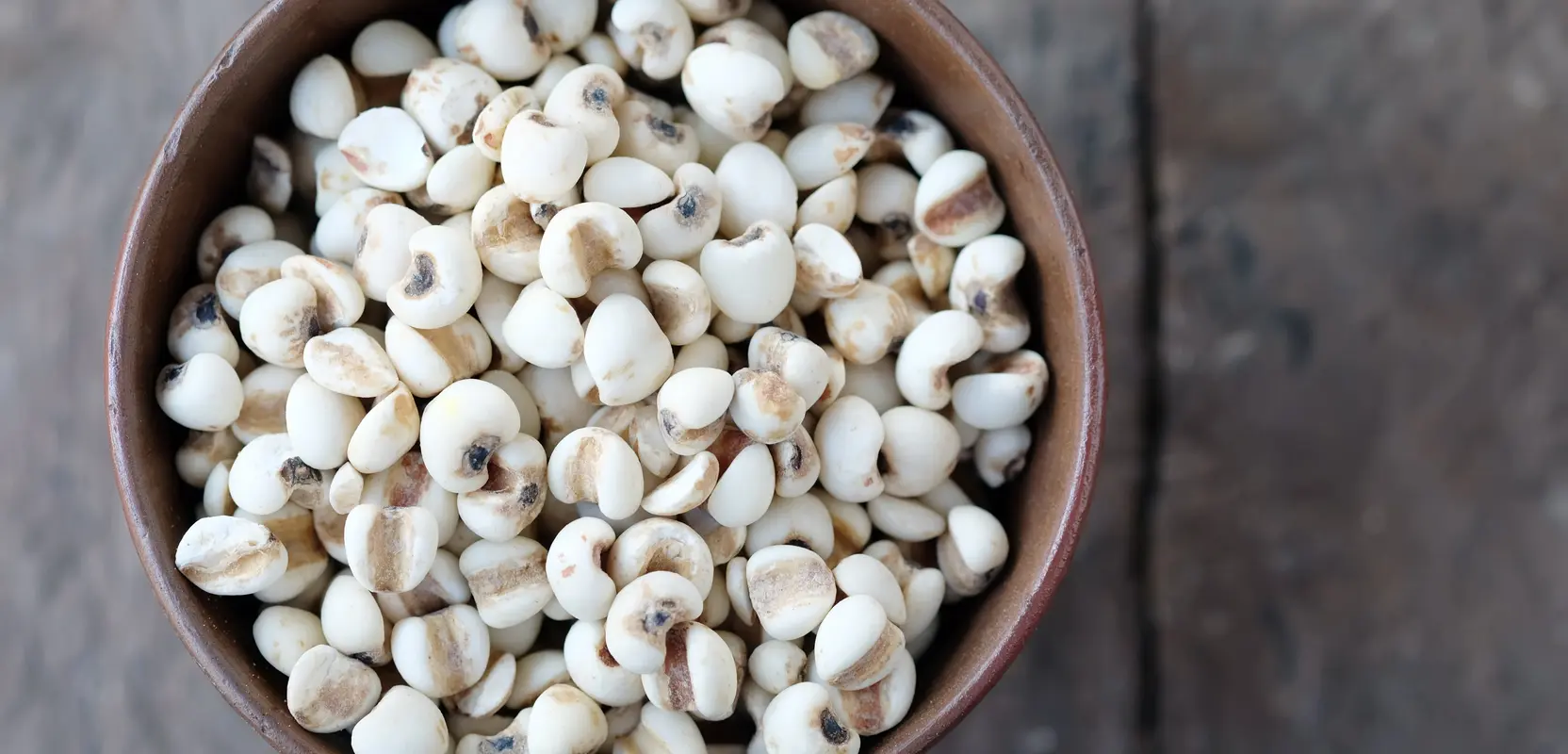
Slzovka (Yi Yi Ren) is used to drain dampness from the organism. Along with dampness, it also removes various "impurities" from the organism. More about slzovka in the section on damp heat.
Rarely: sweet potatoes, yams, batatas, potatoes, black and green tea.
Lungs, sinuses:
Radish, white radish (daikon), turnip, onion, shallot, garlic, leaf mustard, horseradish, ginger, fenugreek, fennel seed, paprika (spice), watercress.
Bladder:
Adzuki beans, fennel seed, ginger, fenugreek, peas.
Avoid
Wheat, ice cream and dairy products (except butter; generally, the harder the dairy product, the better), sugar and concentrated sweeteners, fatty meat (especially pork and duck), eggs, tofu, tempeh, soy milk, lard, butter, margarine, chocolate, nuts and seeds (especially peanuts), avocado, raw and dried fruit (especially bananas and tropical fruit), salt, vinegar, beer, deep-frozen foods, chilled foods, cold drinks, aubergine, peppers, all types of exotic fruit, goji berries, jujube, pork, wheat germ and sprouts, mung beans, tomato, cucumber, sorrel, watermelon, rhubarb, Hijiki, Kombu, Nori, Wakame, caviar, crabs, crayfish, mussels.
Clinical notes
Drink 2 glasses of warm boiled water regularly between 15:00 and 17:00 to support the function of the bladder and promote the drainage of dampness from the body. You can add 2 slices of raw ginger to the water.
Carbohydrates should be consumed in moderation, as they tend to be sweet and, in excessive amounts, could create or worsen dampness. In general, carbohydrates can make up 30-40% of the diet. The best sources are drying types: rice, rye, barley, millet, and oats.
A mixture of sweet, bitter, and pungent vegetables can make up 40-50% of the diet. The rest can consist of small amounts of high-value animal proteins; about 10% is sufficient. Soy proteins, especially tofu, can cool and dampen the patient too much if consumed in excess. Nuts and seeds should be avoided.
Recipes
Vegetable broth with celery and parsley to remove phlegm and excess water from the organism
What we need: 1 parsley root and the same amount of celery root, 1 l of water
How to do it: peel the celery and parsley, cut into cubes, cover with water, bring to a boil, and cook for 30 minutes. Strain, discard the vegetables, and drink the decoction every day in the morning on an empty stomach.
If you suffer from a feeling of heavy legs or swelling, use foot baths; recommendations can be found under Kidney Yang deficiency. Do not be afraid of movement, especially movement where you engage all four limbs, such as brisk walking, tennis, table tennis, etc.
For women, regular cupping of areas where water is retained using a rubber cup is suitable; 5-10 minutes in the evening after showering is enough. Not only will you get rid of excess water, but your legs, buttocks, and tummy will be modelled, and with honest use, you can even get rid of cellulite within half a year.

Characteristics and effects of mushrooms according to traditional Chinese medicine

Description of herbal blends, effects according to Chinese medicine and main usage

Dietary recommendations including individual foods for specific patterns

Characteristics and effects of herbs according to traditional Chinese medicine

Characteristics of food and its influence on individual organs

Classification of herbs and mushrooms by individual diseases


Subscribe to our newsletter and you won't miss any promotions or important information