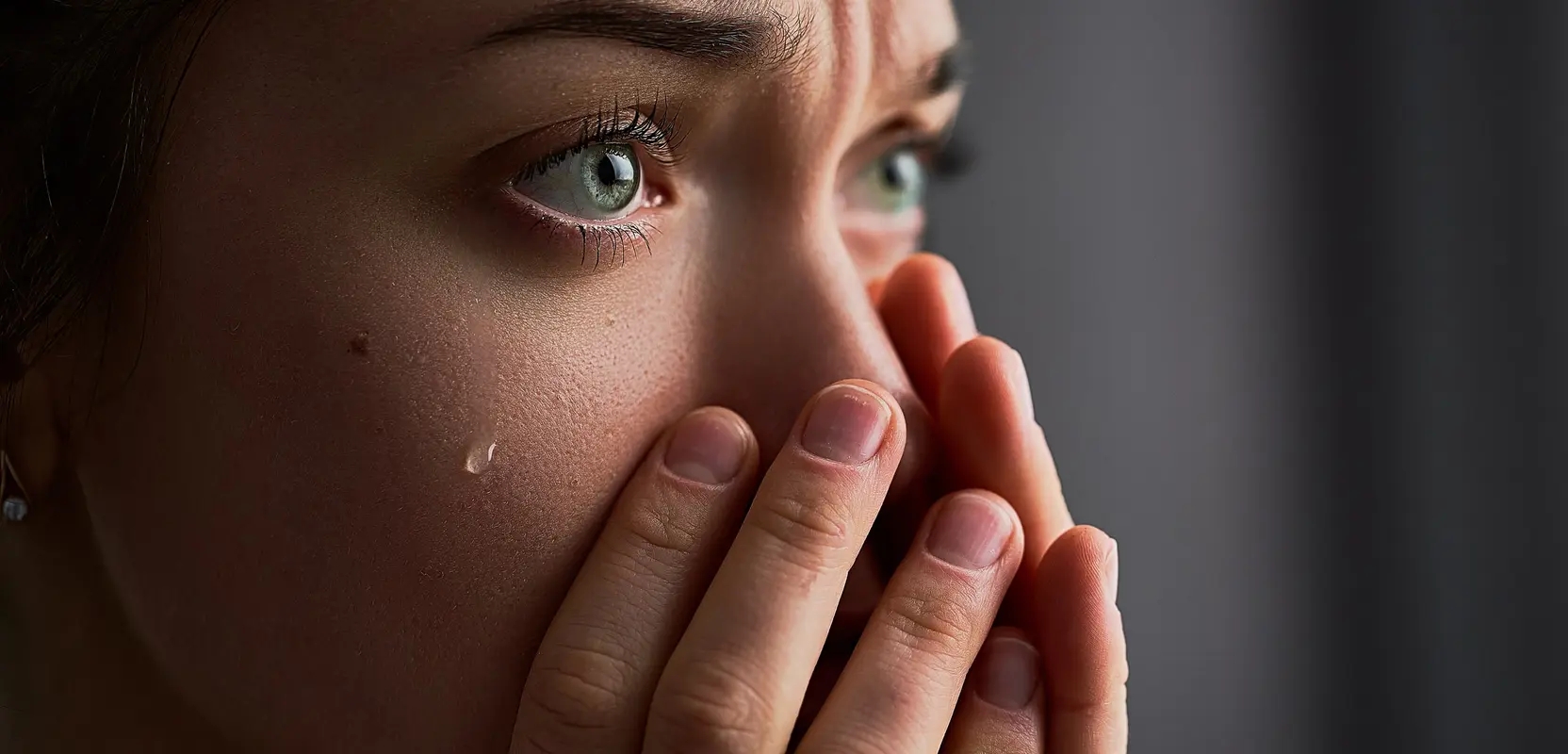
The Liver is an organ that reacts very sensitively to emotional stress. It is an organ that is often overloaded with energy in itself. And if excessive emotions begin to accumulate within it, it starts to heat up and behave like a pressure cooker.
One of the functions of the Liver is to ensure the smooth flow of everything in the organism. Thanks to it, not only Qi, but also blood and other fluids flow freely through the body. If we suffer from excessive or suppressed emotions, this ability is easily blocked. At first, the Qi begins to slow down, later creating blockages, which most often manifest as various tensions anywhere in the body. If the condition lasts too long, blood and phlegm also begin to stagnate. And this is how various formations arise in the body – myomas, cysts, or perhaps tumours.
Stagnation of Liver Qi deepens the problem with Qi deficiency. As soon as there is a lack somewhere, everything around it has little strength to move, and stagnation occurs.
Blockage of Liver Qi can be caused mainly by emotions and our mental state. As soon as we succumb to emotions, we tense up, the body is not relaxed, and Qi and blood cannot flow freely, which can cause nervousness, tearfulness, irritability, neck tension, and headaches. Therefore, women in particular should take care of their emotions, practice hormonal yoga, meditate, or engage in Qi Gong or Tai Ji exercises to learn how to work with their emotions.
An energetically stimulated Liver has a tendency to attack the Spleen (digestion), which we can feel as bloating or diarrhoea; if the excessive energy of the Liver has attacked the Stomach, it manifests as belching, nausea or vomiting, a bitter taste in the mouth, and pain in the side.
During stagnation of Liver Qi, blood and fluids stagnate, which can lead to swelling, bloating, and swollen lymph nodes.
Stagnation of Liver Qi can have a negative impact on the menstrual cycle in women. Menstrual disorders, painful menstruation, infertility, etc. A very typical manifestation of Liver stagnation is premenstrual syndrome.
Stagnation of Liver Qi is responsible for everything that worsens with stress.
Qi stagnation is usually associated with a disorder of Liver function. From a biomedical point of view, the Liver represents the body's detoxification factory, and all substances absorbed by the digestive system pass through it first. The Liver processes and metabolises natural and artificial compounds. Due to the ever-increasing presence of artificial substances (preservatives, colourings, medicines) in the modern diet, the Liver is often overloaded. This can contribute to some symptoms of the condition known in Traditional Chinese Medicine as stagnation of Liver Qi.
The Liver is also influenced by overeating or eating too frequently. Although we consider the Spleen to be the main digestive organ, it is the Liver that influences the distribution and timing of the supply of nutrients to it so that it can work effectively. Overloading the Spleen has an indirect impact on the movement of Liver Qi.
If there is stagnation of Liver Qi, it is necessary to avoid astringent and retaining foods. Preference should be given to foods of a mildly pungent and dispersing nature. Patients should eat less (leave the table feeling that they could eat more) and have the last meal of the day in the late afternoon or early evening. Turbulent or volatile emotions are very harmful at the table; one should eat in a calm and relaxed environment.
This diet should place emphasis on vegetables with a rich representation of green, yellow, and red types of vegetables supplemented by pungent, dispersing types. Lightly spiced dishes, such as curry or Asian cuisine, help in the circulation of Qi. Carbohydrates and proteins play only a secondary role; together they should not make up even half of the volume of food.
Yes: eat less; eat main meals earlier in the day; focus on light and mildly spiced meals; stir-fried in a wok, boiled, and steamed; meals with a high proportion of vegetables and a low proportion of carbohydrates and meat.
No: processed and fast food, substandard food with substitutes; eating while upset or under pressure, skipping meals, gulping down food, overeating.
Foods of a dispersing nature, mildly pungent: spices, onion, garlic, leaf mustard, watercress, turmeric, basil, mint including peppermint, horseradish, pepper, cardamom, cumin, fennel, dill, ginger, a small amount of wine (preferably red) or rice wine, coffee (1 cup per day); in case of heat stagnation, be careful with warming foods.
Sour flavours (in small amounts): citrus fruits, vinegar, pickled cucumbers, sour cherries, plums and greengages Other: large amounts of fresh vegetables, a little fruit; wheat sprouts, asparagus, taro tubers (cocoyam), cabbage, turnip, cauliflower, broccoli, Brussels sprouts, beetroot, Jerusalem artichoke, rye sourdough bread, extra virgin olive oil, molasses, small amounts of high-quality protein from meat and fish.
Foods containing large amounts of saturated fats and oils: cheese, eggs, cream, ice cream, red meat, lard, cooking fats, margarine, nuts, pizza, chips.
Foods of an excessively hot nature and pungent taste: hot chilli and peppers, spirits. Excessively cold and chilled foods: ice cream, beer, salads and vegetable juices, white wine.
Artificial compounds: preservatives, colourings, medicines (where appropriate).
Activities are important for Qi stagnation. Suitable activities include brisk walking, exercising to music, stretching exercises, massages, and self-massages of selected points and parts of the body. As for massages, you can stimulate the area on the foot between the big toe and the second toe; do not be afraid to press, as the Liver meridian begins here, and you will release it nicely. You can apply this every evening after showering.
If you suffer from bloating, I recommend using a recipe for a warming bag and applying it to the navel area; you will support movement in the middle part of the body and also help to replenish energy here.
100 g of coarse Himalayan salt, 1 cinnamon stick, 1 teaspoon of ginger. Roast all this in a pan, pour into a handkerchief or a piece of linen, tie it up, test the temperature, and apply below the navel. If you have trouble sleeping, you can replace the cinnamon with lavender.

Characteristics and effects of mushrooms according to traditional Chinese medicine

Description of herbal blends, effects according to Chinese medicine and main usage

Dietary recommendations including individual foods for specific patterns

Characteristics and effects of herbs according to traditional Chinese medicine

Characteristics of food and its influence on individual organs

Classification of herbs and mushrooms by individual diseases


Subscribe to our newsletter and you won't miss any promotions or important information