Popis obrázku
Article
publikum-znak-bck.svg
publikum-znak.svg
newsletter-bck-znak.svg
Back to the article list

ADD and ADHD from the perspective of Traditional Chinese Medicine

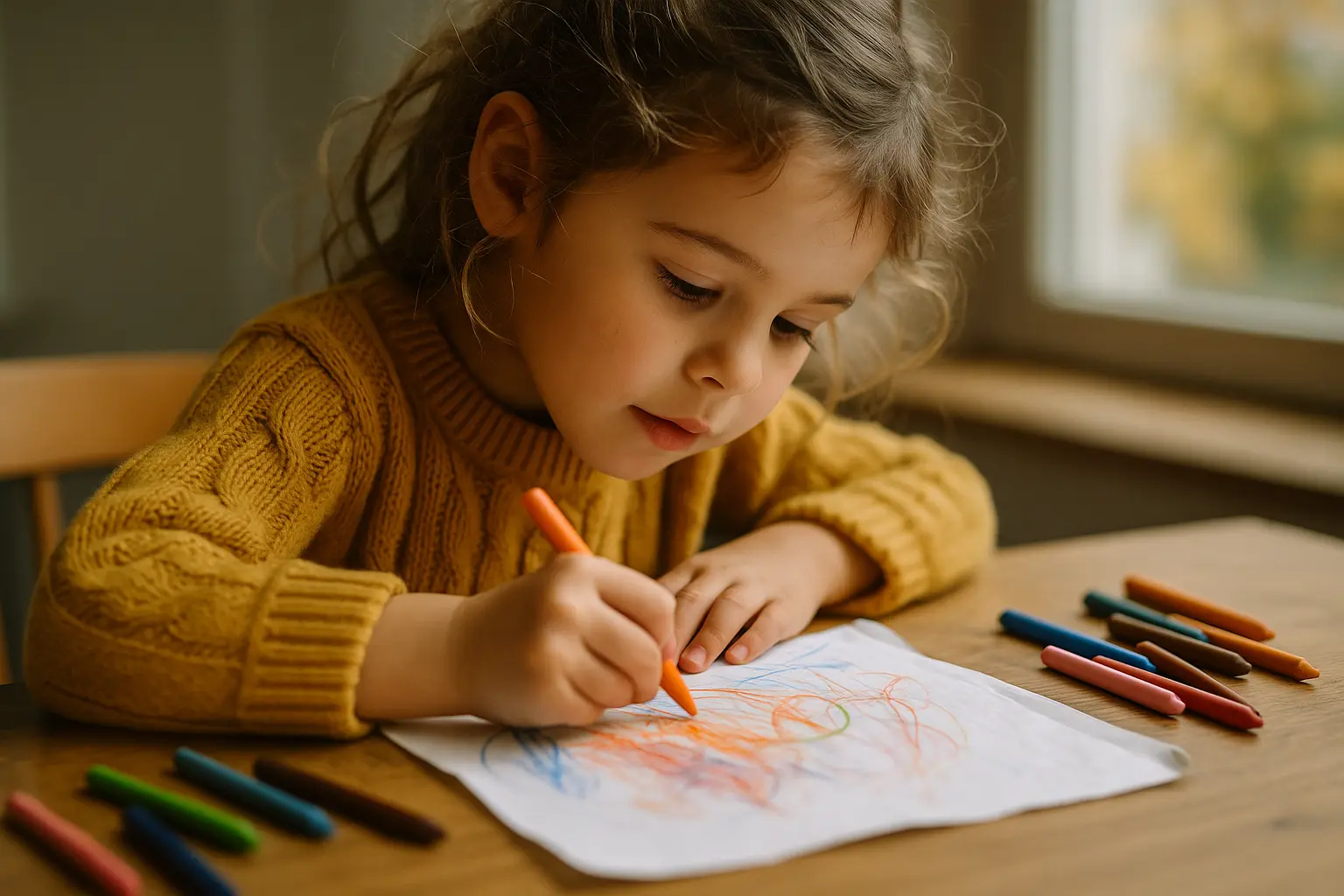
More and more often, I see small children around me who have been diagnosed with ADHD or ADD. ADHD (Attention Deficit Hyperactivity Disorder) - attention deficit hyperactivity disorder and ADD (Attention Deficit Disorder) - essentially the same disorder, but without hyperactivity.

Western medicine explains these disorders as an imbalanced development of individual parts of the brain. They usually appear between the ages of 3-4. Typical symptoms include problems with concentration, the ability to focus, an inability to remain calm, irritability, impatience, emotional instability, rapid mood swings, impulsive behaviour, etc.

With ADD, children also have trouble concentrating and are often dreamy, as if they live in another world. It is worth mentioning that ADHD/ADD is not related to intelligence.

What are the causes of ADHD/ADD?

It is not always possible to determine the cause unequivocally. A number of diverse causes are discussed:

  • problems during pregnancy or childbirth
  • premature birth
  • use of narcotics and alcohol consumption by parents
  • stress in the family
  • infections
  • vaccination
  • hereditary predispositions

There are likely other causes that have not been fully explored, such as the influence of the environment or dietary habits.

What does Chinese medicine say about this?

To understand the causes from the perspective of Traditional Chinese Medicine, we must first mention its theoretical foundations. Chinese medicine divides the world into five systems. Each is governed by one element. Thus, we have the elements of wood, fire, earth, metal, and water. The human organism can also be divided into five systems or elements. Each element in the body is governed by one of the organs. And essentially, every part of the body belongs to one of the elements. I mean both the physical and the mental body. To explain the problem of ADHD/ADD, it is necessary to mention three elements, or rather three organs or systems. The element of fire, which is governed by the Heart. Furthermore, the element of wood, which is governed by the Liver, and the element of earth, which is governed by the Spleen. The Chinese believe that in each of the five main organs, its soul is also present. It sounds a bit esoteric, but let us try to take it as symbols through which physical and mental processes and imbalances in our organism can be described. And it is precisely imbalances of the ADHD/ADD type that can be well explained using these symbols.

The three souls Shen, Hun and Yi

The ADHD/ADD problem revolves around the Heart, Liver and Spleen organs. And especially around the three souls that reside in these organs. The Shen soul, the Hun soul and the Yi soul. 
 

The Hun soul - the creative in us 

The Hun soul, which resides in the Liver, plays a key role in ADHD/ADD. It is also called the Ethereal soul. It is responsible for our creativity, ideas, plans and inspiration. It is a soul that is constantly searching and creating. And it is precisely the excessive movement of the Hun soul that is one of the main causes of the ADHD/ADD problem. Mainly ADD, that is. Children, but also adults, have trouble concentrating and live as if in another world. At the same time, they are very creative and usually have significant artistic talent. Excessive movement of the Hun soul can be triggered by a pattern of Yin or blood deficiency in the Liver or by Liver fire rising upwards. ADHD is more associated with excessive Liver fire. Children with fire in the Liver (but also in the Heart, see below) are then significantly hyperactive.

The Shen soul - the emperor rules all

The Shen soul resides in the Heart. Overall, it controls our psyche and thinking. It also governs all the other souls, gives them order and controls their activity. It is responsible for our emotional life, our ability to think and our long-term memory. If the Shen soul is weakened, it cannot sufficiently regulate the creative nature of the Hun soul in the Liver, and problems with attention deficit arise. The quality of the organ in which the Shen soul resides, i.e. the Heart, is also important. If there is a deficiency of blood in the Heart, the Shen soul cannot settle in the Heart and wanders. A person is then scattered, unfocused and emotionally unstable. Likewise, when there is heat in the Heart, often caused by excessive or suppressed emotions, this heat does not allow the Shen soul to anchor itself in the Heart and it becomes restless. All of this is clearly related to attention deficit, hyperactivity and therefore to ADHD/ADD.

The Yi soul – the one that overthinks 

The third soul that influences the ADHD/ADD problem is the Yi soul, which resides in the Spleen. We could also call it the "intellect". It is responsible for the ability to focus on a given task, which is often problematic in ADHD/ADD. If the Spleen organ is weakened, the Yi soul has a tendency to overthink, is scattered and unstable. A weakened Spleen creates too much dampness in the organism, which manifests as discharge or mucus. This imbalance also affects a person's psyche. It manifests as lethargy, the person feels as if they are living in a bubble, has slowed reactions, and these are also common manifestations of ADD.

Deeper causes of ADHD/ADD

Using the souls, we have described various mechanisms of how ADHD/ADD arises according to Chinese medicine. The main causes are a deficiency of Heart or Liver blood, excessive fire in the Heart or Liver, and a weakened Spleen that produces too much dampness.

Our constitution, what we have inherited from our ancestors, can influence these imbalances. Young children in particular do not create such imbalances through their lifestyle, but usually 'inherit' them from their parents. Stress in the family or at nursery school can also have an influence. Excessive or suppressed emotions always eventually turn into heat in the organism, which then affects the movement of the Shen and Hun souls. Likewise, the intake of energy-rich foods such as sugar, white flour, or industrially processed foods, combined with a lack of exercise, can cause excessive movement of the Hun and Shen souls while simultaneously weakening the Spleen's energy, which will then fail to produce enough Qi and blood (which is fuel for our organism) and instead produce too much dampness, affecting the intellectual abilities of the Yi soul. 

So what does Chinese medicine advise?

Children need to be provided with a harmonious environment that will have a beneficial effect on their psychological development. They should have enough space to release their energy, but at the same time clearly defined boundaries that will keep them feeling safe. And most importantly, they must feel the unconditional love of both parents.
 
These children should eat regularly, at the same times every day. They should not eat foods that weaken the Spleen, i.e. too many dairy products, too much white bread and white sugar. The diet should be varied and of high quality. So it is good to omit everything industrially processed and enriched with various additives.
 
These are general tips. We are all a little different and sometimes an individual approach is also needed. Not allowing children any sweets is probably not permanently sustainable, so everything in moderation.

An Shen Wan Jia Wei

Chinese medicine, in addition to lifestyle recommendations, also offers other methods to help children and adults with ADHD/ADD imbalances. One of the options is phytotherapy – therapy using herbs. A traditional herbal formula for these problems is the An Shen Wan Jia Wei blend.
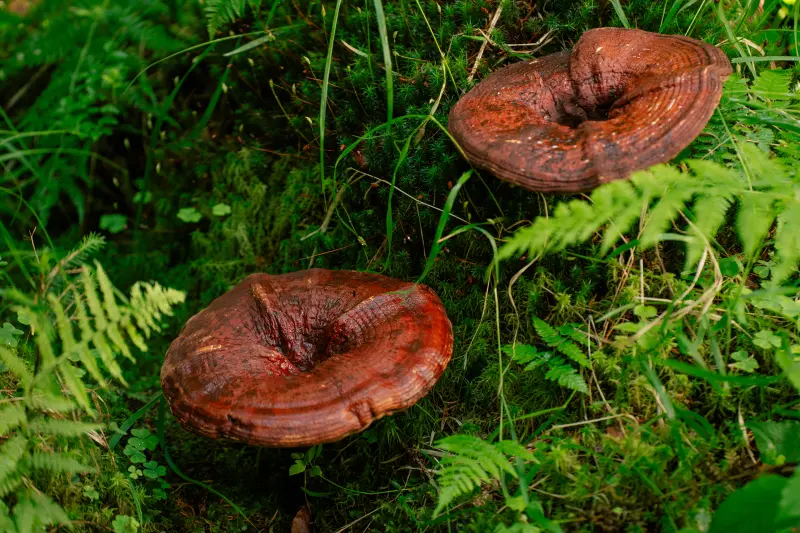
 
It is a blend that strengthens Qi energy and Xue blood. It directs its effect to the Liver, Spleen and Heart. And also to the Kidneys, whose deficiency can trigger empty heat in the Heart and again disturb the Shen soul. The blend also drains dampness from the organism. The composition of the blend is: Ginseng, Rehmannia glutinosa, Poria cocos, Polygala, Acorus, Atractylodes macrocephala, Chinese yam, Ophiopogon japonicus, liquorice root, longan and Paeonia lactiflora. 

Explore more
from the Encyclopaedia


Further articles, videos 

and podcasts