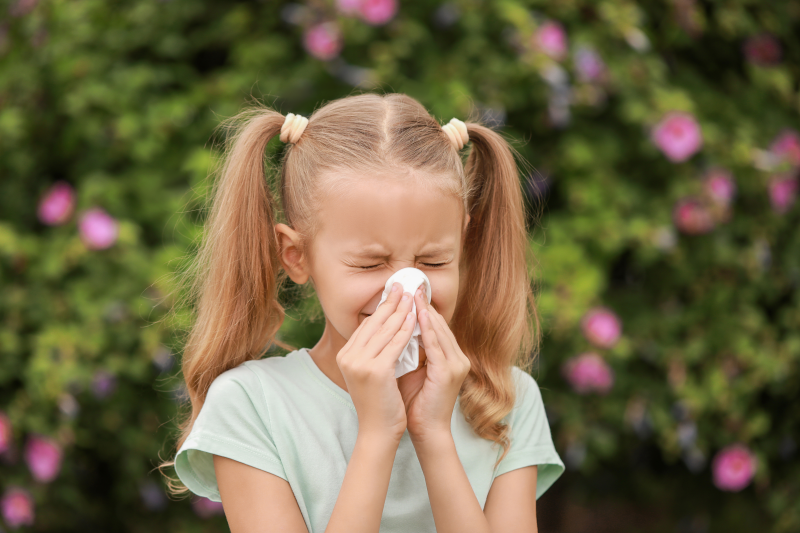



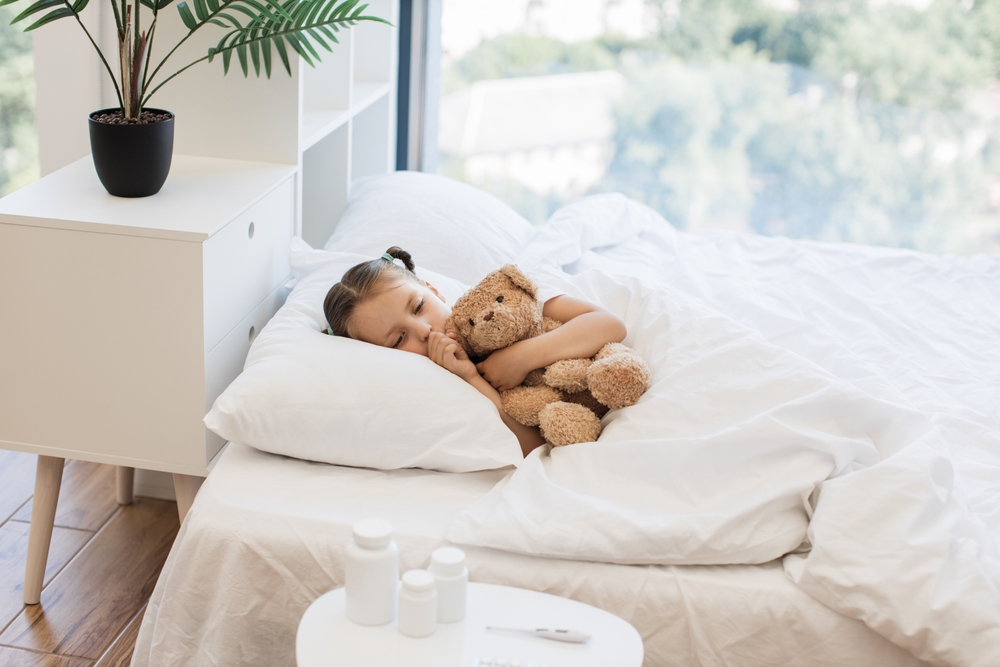
PFAPA syndrome is an abbreviation for Periodic Fever, Aphthous Stomatitis, Pharyngitis, and Adenitis. It is one of the lesser-known diseases that primarily affects children. This syndrome is characterised by recurring episodic fevers, sore throats, mouth ulcers, and inflammation of the cervical lymph nodes. Although PFAPA is considered harmless and does not cause long-term complications, it can significantly affect the quality of life of the child and their entire family.
The symptoms of PFAPA syndrome are distinct and recurring. The main ones include:
• Fevers: Usually appear at regular intervals (every 3–5 weeks) and last for 3–7 days. In most cases, these are fevers higher than 38.5 °C.
• Aphthous stomatitis: Painful ulcers in the mouth, which can make eating difficult.
• Pharyngitis: Sore throat without the presence of a streptococcal infection.
• Adenitis: Swelling and tenderness of the cervical lymph nodes.
Diagnosis of PFAPA syndrome is often based on clinical symptoms and the exclusion of other diseases. There is no specific test to confirm this diagnosis, which can lead to delayed identification and treatment.
In my practice, I have already had three cases that had the above-mentioned symptoms. They were always children aged between 6 and 12 years. The fevers were always high, lasted 2–3 days, and recurred every 1–3 months. It was interesting that the young patients were otherwise quite healthy; between fever attacks, they had no other significant symptoms.
Although the syndrome was first described as early as 1987, the exact causes of its development remain unknown. However, research provides certain clues that may help to better understand this mysterious syndrome.
1. Genetic factors
One of the most studied aspects of PFAPA syndrome is genetic factors. Some studies suggest that PFAPA may have a genetic predisposition, as it occurs more frequently in families with a history of similar syndromes or autoimmune diseases. Nevertheless, no specific gene has been identified that is directly responsible for PFAPA.
2. Immune system
Other theories focus on the immune system. It is assumed that PFAPA syndrome may be the result of improper regulation of the immune system. The body may overreact to common infections or stimuli, leading to recurrent inflammatory episodes. This process could explain the regularity and recurrence of symptoms.
3. Infectious factors
Although no specific infection has been linked to PFAPA syndrome, some experts believe that common viral or bacterial infections may act as triggers. A child's body may react to these infections in an abnormal way, leading to the manifestations of PFAPA syndrome. However, this theory still requires further research.
4. Environmental factors
Environmental factors may also play a possible role here – the quality of the living environment and exposure to various allergens or toxins may play a part in the development of PFAPA syndrome. Nevertheless, the evidence to support this theory is currently limited.
Despite progress in research, the exact causes of PFAPA syndrome remain unclear. It is likely a combination of genetic predispositions and external factors that together lead to an abnormal reaction of the immune system. Research continues, and hopefully, in the future, it will provide answers that will help to better understand this mysterious disease and develop more effective methods for its treatment and prevention.
Treatment of PFAPA syndrome is symptomatic. Corticosteroids are usually used, which can shorten the duration of febrile episodes, but they do not affect the frequency of their occurrence. In some cases, a tonsillectomy (removal of the tonsils) is used as a means to reduce the frequency or completely stop the episodes. Which I think is not a good idea and does not lead to the removal of the root cause of the problem.
The causes of PFAPA syndrome and periodic fever are not entirely clear even in traditional Chinese medicine. The famous physician Zhang Zhong Jing explains periodic fevers in his work "Treatise on Cold Damage" (3rd century AD) as an imbalance between the nutritive (Ying) and defensive (Wei) layers. He sees the use of the Gui Zhi Tang formula (known as Cinnamon Caress) as treatment, which balances both layers. The Gui Zhi Tang mixture is primarily used when the organism is attacked by wind-cold (the initial phase of a cold or flu and during sweating, i.e., wind dominates).
I used a different combination for all three paediatric patients. I based this on the fact that these are recurring problems that return for some reason. In my opinion, it is a hidden pathogen. The goal of most pathogens we encounter is to get into the deeper layers of the organism, settle there, and every time the patient is weakened, they start demanding energy, thereby causing some strange symptoms. If we have good Zheng Qi (a Chinese term for immunity and life force), then pathogens do not pass through the outer defensive layers. They are eliminated or expelled. If the organism is not in good condition when attacked by a pathogen, then the pathogen reaches the deeper layers, to the internal organs. And it is difficult to get it out from there.
A hidden pathogen causes very diverse and "strange" symptoms. Western medicine is often unable to diagnose their cause, and patients end up on antidepressants. Typical symptoms include fatigue and exhaustion, elevated temperature, migrating body pains, neurological symptoms, skin rashes, brain fog, etc. A typical example is chronic Lyme disease, the aftermath of mononucleosis, or a chlamydia infection.
In my opinion, the cause of my three patients with PFAPA syndrome was precisely a "hidden pathogen".
This claim cannot be definitively proven, but in my opinion, the development of a hidden pathogen (and thus PFAPA syndrome) can occur through vaccination. Vaccination introduces a pathogen into the body. Even if dead or weakened. And it bypasses the external defensive layers. It gets directly into the interior of the organism. In my experience (for example with those vaccinated against Covid), even these pathogens can become hidden pathogens and cause various strange symptoms, including PFAPA syndrome. They are also suspected as a cause of autoimmune diseases and various chronic inflammations.
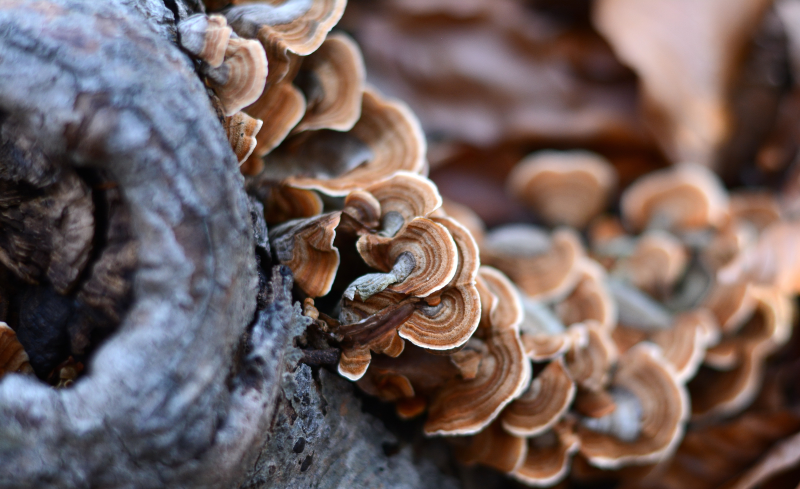
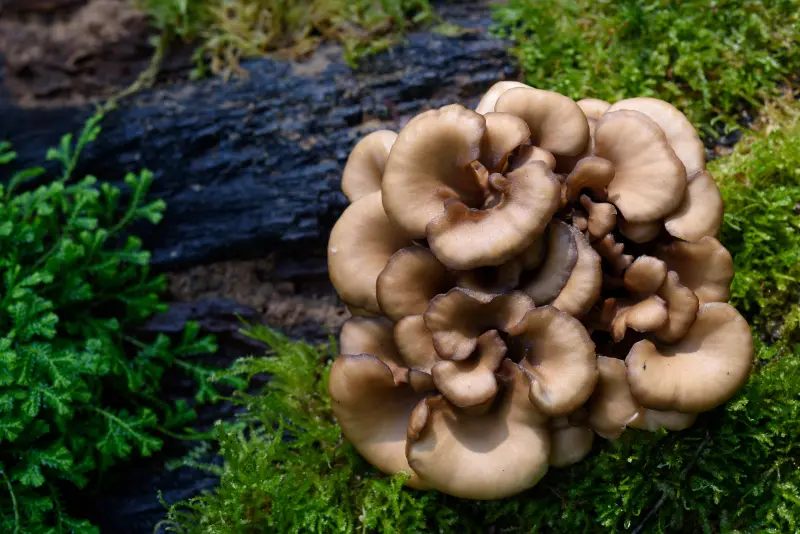
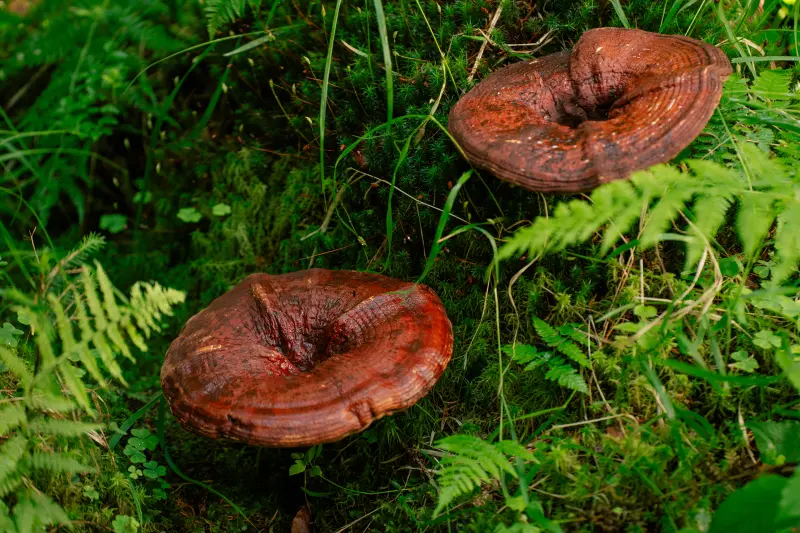
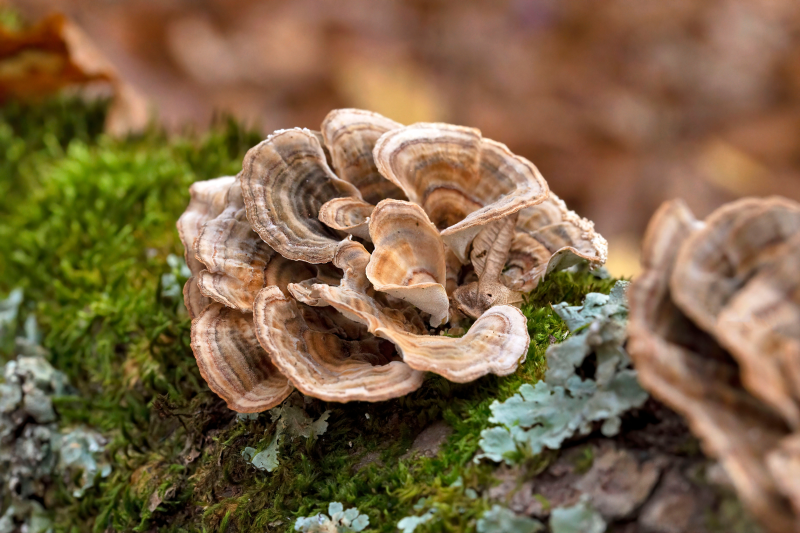
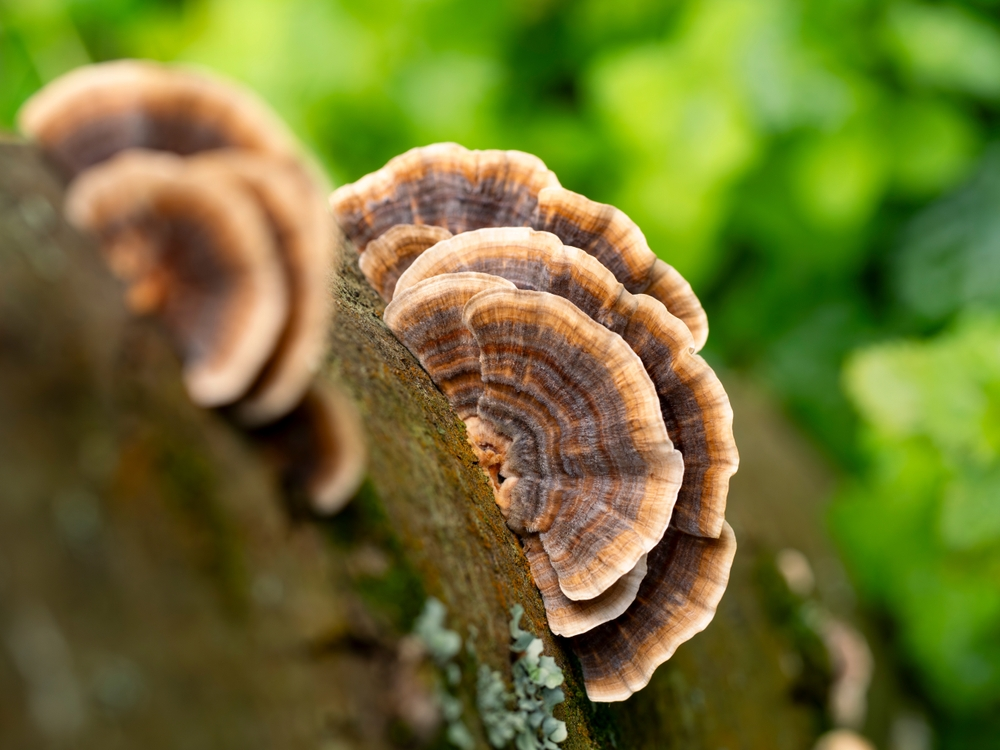
Based on the above, I have used the vital mushroom Coriolus (Coriolus versicolor – 40% polysaccharides from MycoMedica.cz) for my three paediatric patients with these PFAPA syndrome symptoms; it is the "greatest killer" among mushrooms of everything that does not belong in the organism. It eliminates viruses, bacteria, chlamydia, borrelia, and even uncontrollably multiplying cancer cells. It is excellent specifically for hidden pathogens. For children around 10 years of age, I administer one capsule 3 times a day. It is always taken for 5 days, followed by a 2-day break.
The second preparation I used is the herbal formula Xiao Chai Hu Tang (known by the Czech name Otevření dveří from YaoMedica.cz). This formula is used for a wide spectrum of diverse indications. I administer it for chronic inflammation, recurring illnesses, follow-up treatment after acute infections, as well as for acute infections, bronchitis, tonsillar plugs, persistent coughs, hepatitis, gastritis, reflux and heartburn, states of exhaustion, etc. And most importantly, for hidden pathogens. According to Chinese medicine, it addresses problems in the Shao Yang layer, which is the layer between the exterior and the interior. A typical symptom of an attack on this layer is the alternating of chills and fever.
I administered the herbal formula Xiao Chai Hu Tang plus the Coriolus mushroom for PFAPA syndrome until the symptoms disappeared completely, i.e., until the periodic fevers stopped occurring.
The treatment period lasted from 3 to 8 months. It depended heavily on the patient's overall constitution and physical condition. It is advisable to administer both products for a longer period, as a hidden pathogen has a tendency to truly hide and only reappear when the body is weakened. Otherwise, the person feels well. Therefore, it is difficult to estimate whether we still carry the pathogen or if it is already under control. Sometimes it is not possible to eliminate it completely, but it is important that Zheng Qi (or immunity) brings it under control so that it does not manifest through those unpleasant symptoms, such as periodic fever.
It is very important, once the pathogen has been tamed, to strengthen our organism so that the pathogen does not return. Above all, eat high-quality, regular, and varied meals. Do not stress and control your emotions. And smile all day long.

Subscribe to our newsletter and you won't miss any promotions or important information