


On SIBO, histamine intolerance, and why narrowing your diet leads nowhere. A perspective from Chinese medicine.
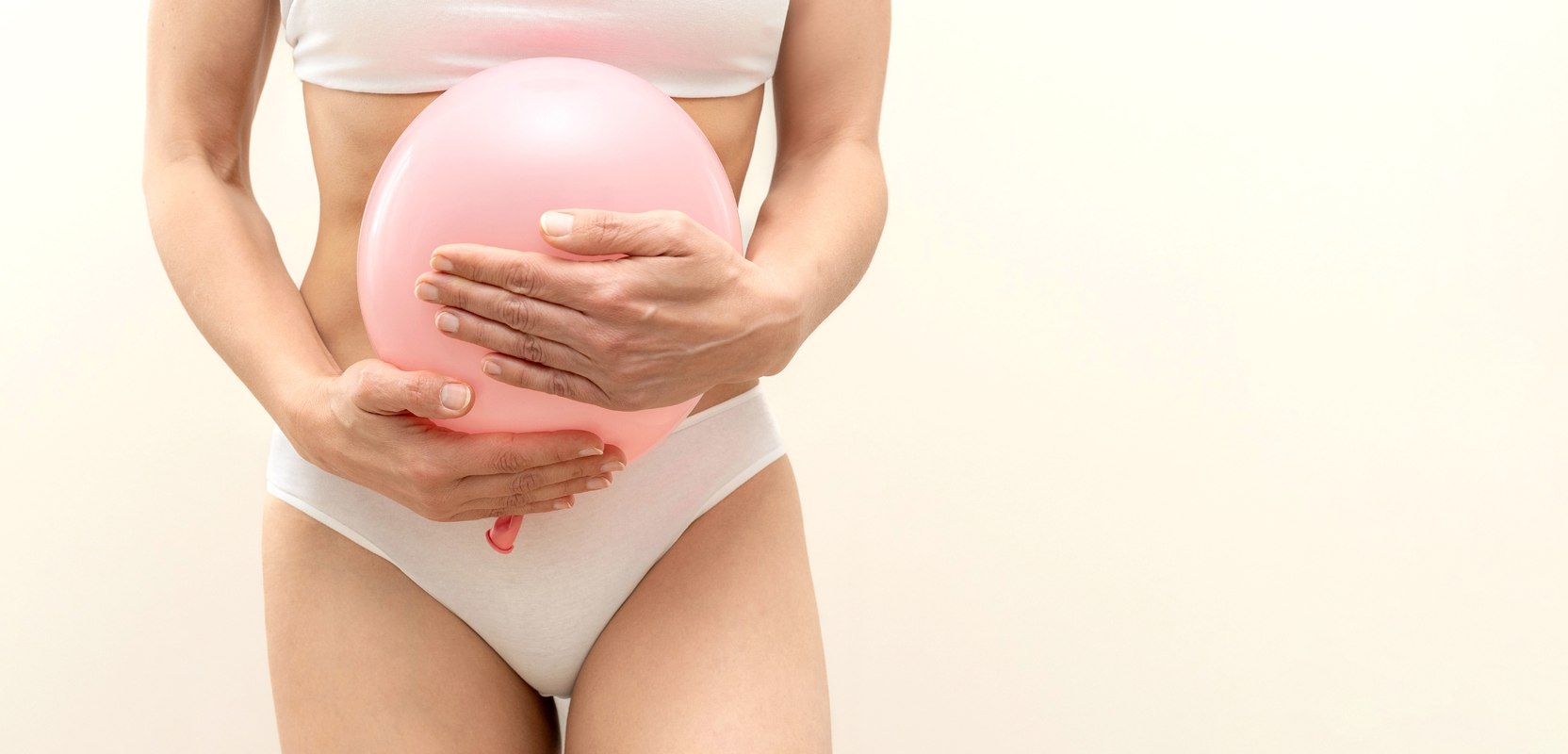
You know the feeling. After a meal, you feel so bloated that you have to loosen your trousers. Your stomach gurgles and churns. One day you have diarrhoea, the next day nothing. Sometimes this is accompanied by heart palpitations, flushing, a headache, or a runny nose without a cold.
And so you start searching. You cut out gluten. Then dairy. Then legumes, onions, garlic, apples. Then comes the low-FODMAP diet, then the low-histamine diet, and the two lists contradict each other. And one day you are standing in front of the fridge, looking inside, and you don't know what you can actually eat.
This is one of the most common stories I hear in my practice. And I would like to offer you a different perspective than just looking for the next forbidden food.
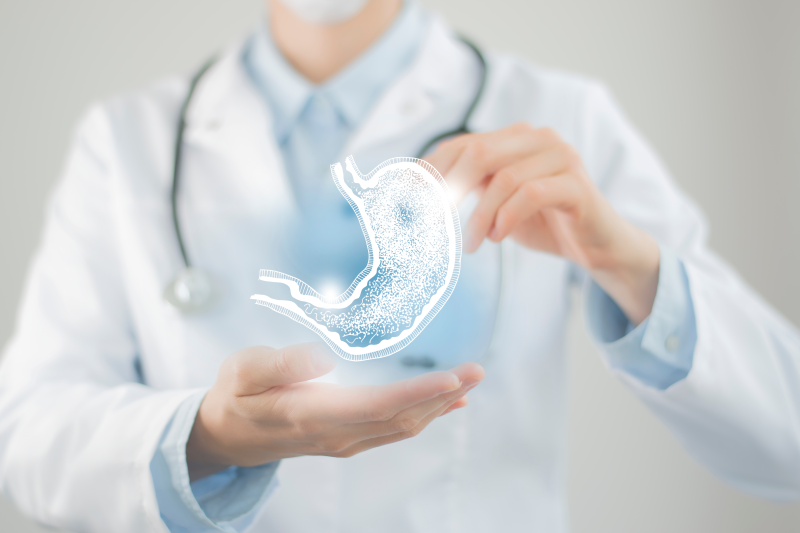
SIBO is an abbreviation for Small Intestinal Bacterial Overgrowth. The small intestine should be relatively low in bacteria — the main population belongs in the large intestine. When bacteria get into and multiply where they should not be, they start fermenting your food before you have a chance to digest it. The result is gas. Hence the bloating, which occurs shortly after eating and tends to be worse in the evening.
Histamine intolerance is something else. It is not an allergy. It is about the body not being able to break down histamine fast enough — a substance that it normally produces itself and which is also found in some foods. The enzyme responsible for its breakdown in the intestine is called DAO, diamine oxidase.
And here is the first important thing you should know. This enzyme sits on the lining of the small intestine. When the lining is irritated, inflamed, or damaged by bacterial overgrowth, its activity decreases. Therefore, reduced DAO is usually not the cause of your problems. It is an indicator of them. Something like a warning light on a dashboard.
That is why these two conditions so often go together. And that is also why simply supplementing with DAO capsules is rarely enough — you are treating the warning light instead of the engine.
Chinese medicine describes the same thing in different words, but with remarkably similar logic.
Digestion is managed by what we call the middle burner — primarily the Spleen and Stomach. Imagine the Spleen as a cauldron. You put food into it, and it cooks it into Qi and blood, the fuel you live on. For the cauldron to cook, it needs a fire underneath it. It needs warmth and it needs dryness.
When the fire is weak, the food is not transformed. It leaves behind dampness. And in the body, dampness is an environment in which everything that shouldn't thrive, thrives well.
At the same time, the Spleen is meant to lift things up in the body, and the Stomach is meant to send them down. When this movement is disrupted, gases go up instead of down. Hence belching, pressure under the ribs, heartburn. And in the abdomen, heat and cold often mix — sometimes you feel burning, sometimes you feel bloated after something cold. Every therapist knows this picture in their practice.
And one more thing that is often forgotten. Digestion is extremely sensitive to emotions. In Chinese medicine, the Liver is supposed to ensure that everything in the body flows freely. When there are too many emotions — and especially when we swallow them — the Liver starts to act like a pressure cooker, and that pressure most often goes to the weakened Spleen. We call this Wood overacting on Earth. You know it by the name irritable bowel syndrome. And you can recognise it by the fact that your problems always get worse before something important.
I will admit right away that for a long time I answered one of those questions too simply. So let's set the record straight.
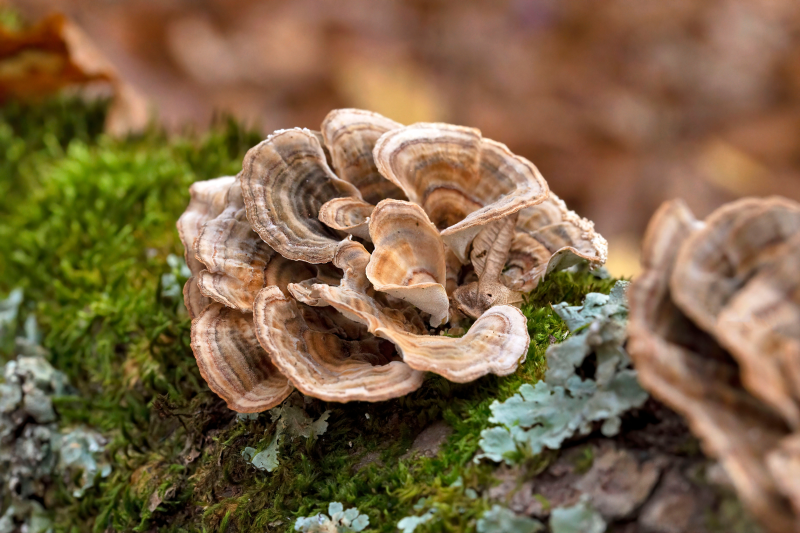
Beta-glucans are not to blame for bloating after mushrooms
The most common concern is: beta-glucan is fibre, fibre is food for bacteria, so I don't want to be feeding them. It sounds reasonable, but it doesn't work that way. Mushroom beta-glucans are a tough nut to crack — strongly branched, poorly soluble, our enzymes cannot handle them, and bacteria process them slowly, only in the large intestine. They are not sweet, rapidly fermenting fibres like inulin. And in a standard dose of extract, you receive a fraction of what usually causes problems with prebiotics.
The real culprit is called mannitol. It is a sugar alcohol that mushrooms have quite a lot of; it belongs to the FODMAP family and behaves exactly as expected — it is poorly absorbed, draws water into the intestine, and ferments readily. It is precisely because of this that mushrooms are listed as a risky food in lists for sensitive intestines.
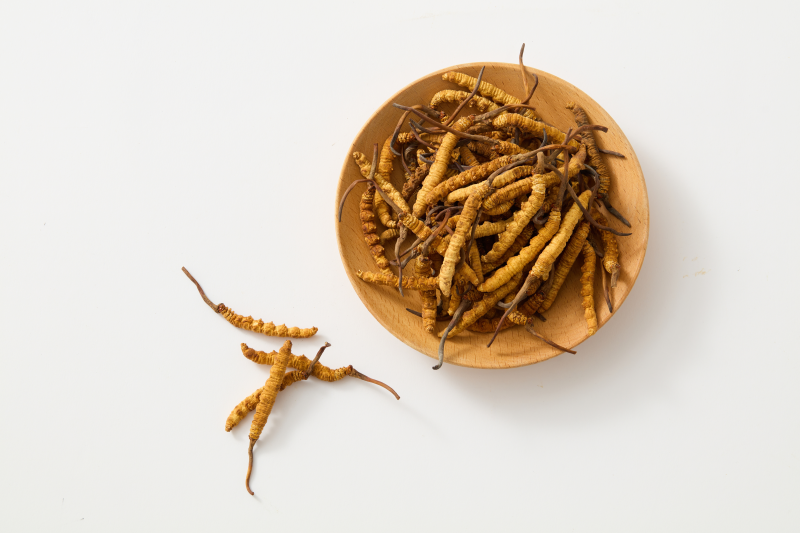
And one interesting fact. Cordyceps was made famous by so-called cordycepic acid. When you look at what it is chemically, you find that it is mannitol. So if you get bloated after mushrooms, Cordyceps is the first one I look at.
Powder is not gentler than extract. It is the opposite
I often hear that in a sensitive period it is better to reach for powder from the whole mushroom because the extract is a concentrate and therefore stronger. I understand the reasoning, but it is reversed.
Powder is dosed by the teaspoon, easily five to ten grams a day. You are carrying the whole mushroom into your intestine, including the indigestible casing and the full share of mannitol. The extract gives you a comparable effect with one to two grams. Several times less mass goes into the intestine — and with it, less of everything that can ferment.
But I won't deceive you: mannitol gets into the extract too; it is not true that it wouldn't remain there. The advantage of the extract is not in its purity. It is in the fact that you only need a little. That is the whole magic.
And what about histamine?
Mushrooms are not a high-histamine food. Fresh mushrooms contain very little histamine, often none at all. Moreover, lists of forbidden foods differ so dramatically between sources that I would rather not eat anything at all according to them. The best-supported approach is to avoid fermented foods — and mushrooms do not belong among them.
But there is a catch, just elsewhere than expected. Mushrooms contain other biogenic amines, mainly putrescine and spermidine. These will not provide you with histamine, but they compete with it for the same enzyme that breaks it down — DAO. So when you don't feel well after mushrooms, it doesn't have to mean that you have ingested histamine. It may mean that your own is being broken down more slowly.
And because the amount of these amines depends mainly on how fresh the raw material was and how it was handled during processing, production quality is not marketing for this type of problem. It is a therapeutic parameter.
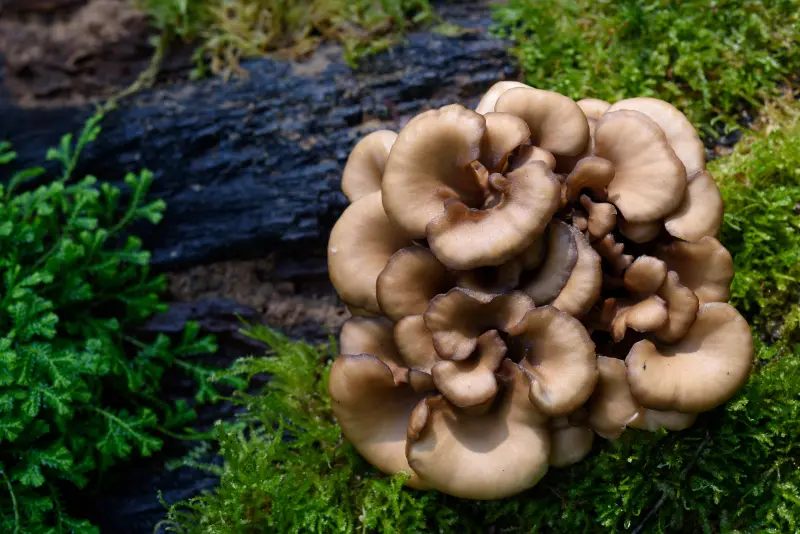
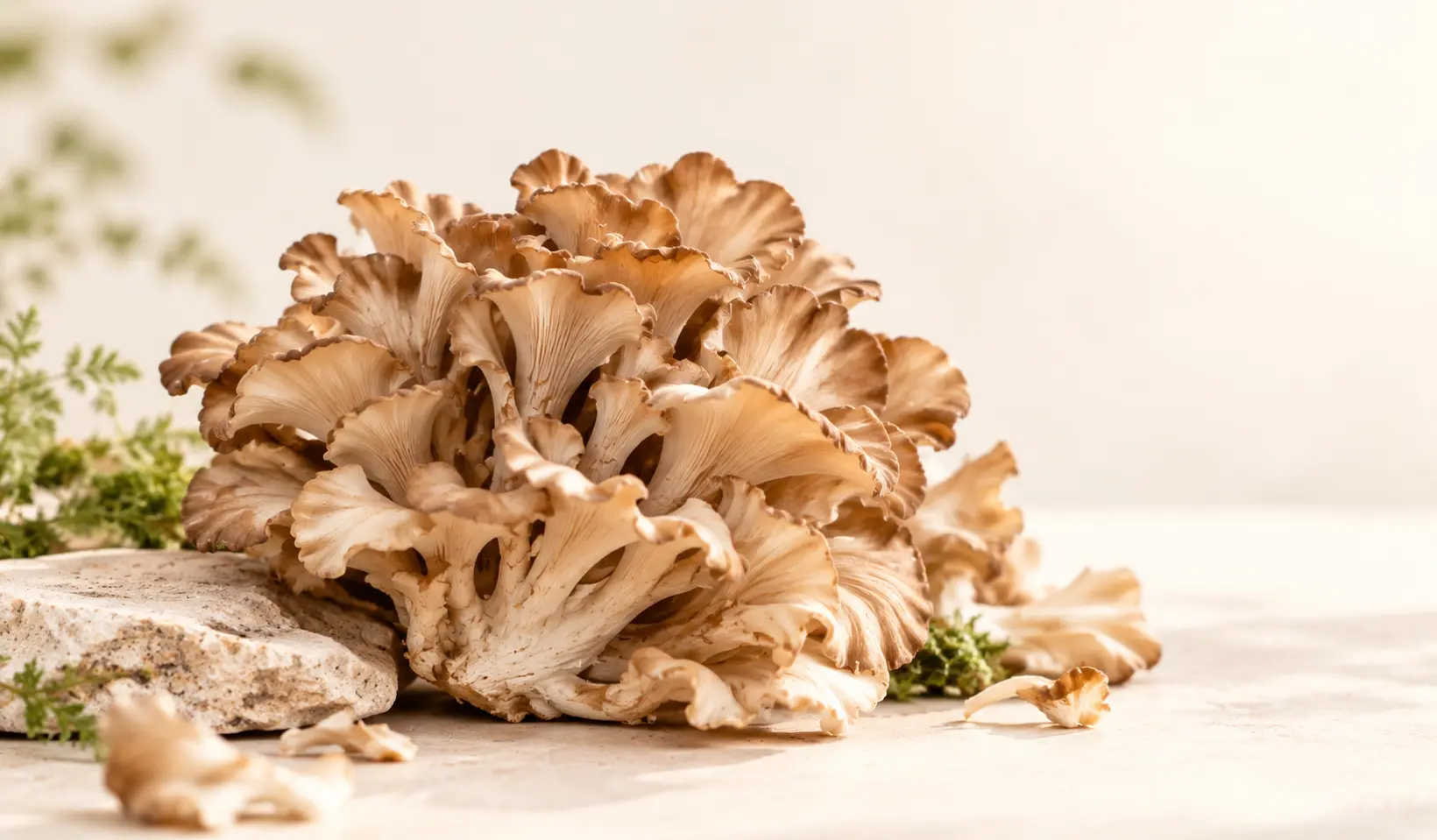
It is interesting that a number of studies show the exact opposite of what people fear — mushrooms tend to suppress the activation of mast cells, i.e., exactly those that release histamine. This is best described for Maitake and Agaricus. But I will be honest: we do not yet have clinical proof that mushrooms would cure histamine intolerance itself. I take them as support for the terrain, not as a cure for the problem.
I do not try to strengthen immediately. That is the most common mistake. It makes no sense to pour tonics into a disrupted centre — you only add more material that the body cannot handle. Therefore, I proceed in three steps.
First, calm the centre. For the picture of mixed heat and cold, where bloating, rumbling and irregular bowel movements alternate, I find the 108 Rising Turbidity mixture effective. When there is more pronounced damp heat and internal restlessness, I reach for 132 Silk Centre instead.
If everything is worsened by stress and emotions, I add 001 Breaking the Shackles, which harmonises the Liver and Spleen. In the case of irritable bowel syndrome, this is often a key piece of the puzzle, and without it, we often get nowhere.
Only when things calm down does strengthening come into play. That includes 106 Sea of Abundance and, in addition, MycoClean, which drains dampness.
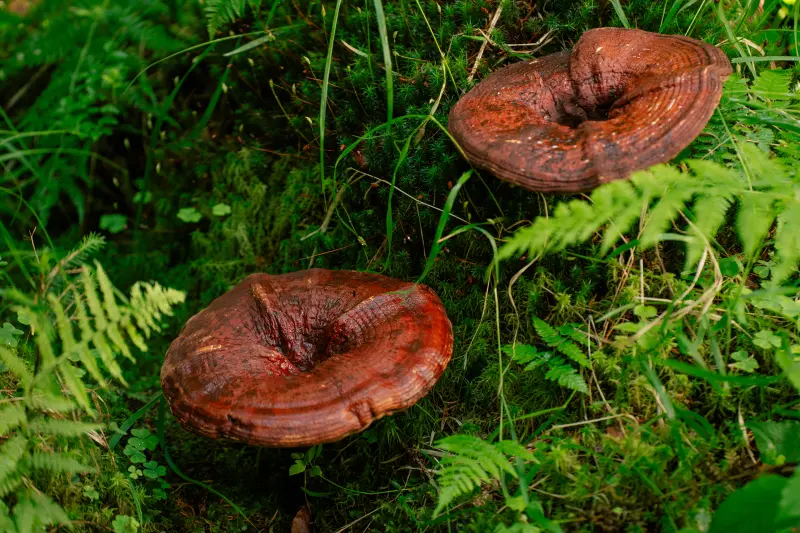
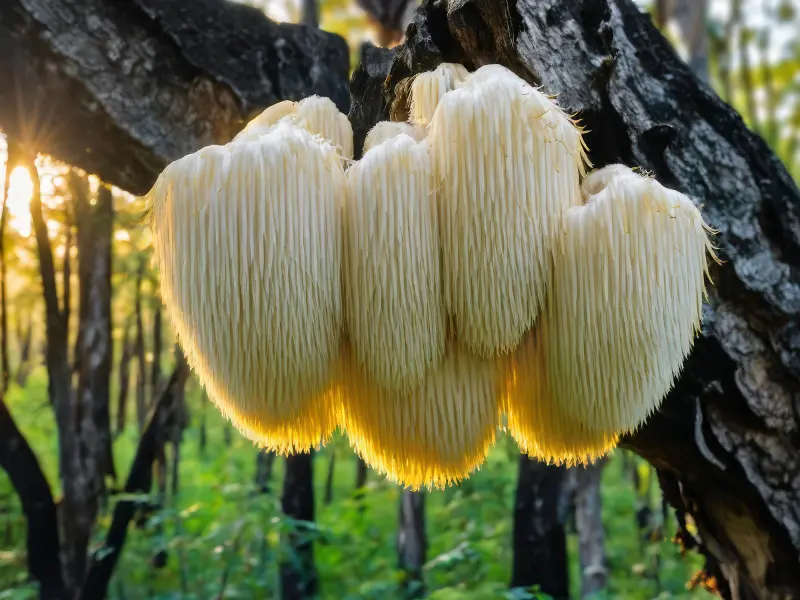
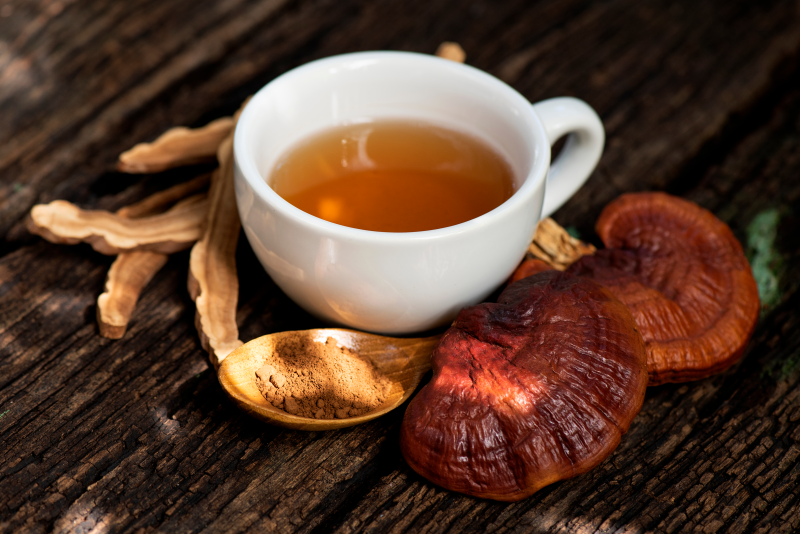
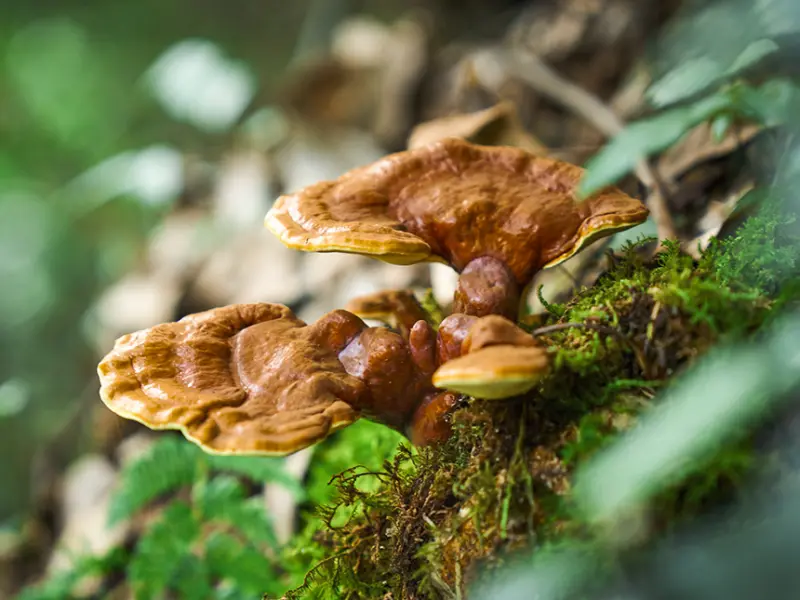
I am happy to give mushrooms in parallel from the beginning. Hericium because it cares for the mucous membrane of the digestive tract and strengthens the Spleen and Stomach — in this case, it is a clear first choice. Coriolus for immunity and because, in terms of polyols, it does not burden the gut. Reishi for the terrain of hypersensitivity. And I leave Cordyceps for later, for the reason you read above.
Always an extract. In a sensitive period, a lower dose, divided throughout the day.
I might disappoint you here, as you will not get another list.
The Spleen likes warmth and dryness. It dislikes cold and dampness. So: eat warm and cooked food. Smaller portions and regularly. Leave morning smoothies, yoghurt from the fridge, and large raw salads for later, even if they are claimed to be healthy. A boiler into which you pour cold water simply does not boil. Limit sweet, dairy, and wheat products, as all of these create dampness in the body. And do not eat in a hurry, standing up, or at the computer.
And now for the more important part. Elimination diets are a tool, not a goal. They make sense for a few weeks to calm the gut. They do not make sense as a way of life. When your diet narrows year after year, it is not a sign that you are approaching a solution — it is a sign that you are addressing the symptom instead of the terrain. And an impoverished diet will eventually weaken the Spleen even more.
The middle path here means a very practical thing. Temporarily limit what demonstrably and repeatedly irritates you. And slowly bring everything else back.
Chinese medicine is a support in this regard, not a substitute for a medical examination. If you are losing weight without trying, have blood in your stool, wake up at night due to discomfort, have a fever, or have been diagnosed with anaemia, you should see a doctor first. Digestive problems can be a symptom of conditions that need to be ruled out.
Mushrooms and herbal blends are not a miracle cure that will restore your gut to its original state overnight. Especially with issues that have persisted for years, this is a process that takes months.
But there is one fundamental difference compared to what most people with SIBO and histamine intolerance do. Eliminating foods works on the symptom. Chinese medicine works on the terrain in which that symptom grows. And only the latter can one day give you back the ability to go to a restaurant with your family without thinking about every single item on the menu.
And one more thing at the end. Do not stop taking mushrooms across the board if you have a sensitive gut. Only stop the specific one after which your symptoms repeatedly and quickly return — that is your personal reaction, not a general rule. In my opinion, a blanket discontinuation is a mistake. You are taking away one of the few tools that works on the terrain, not the symptom.
If you are not sure which of these applies to your case, write to us in the free MycoMedica advisory centre. We will be happy to look into it with you.
Milan Schirlo

Subscribe to our newsletter and you won't miss any promotions or important information