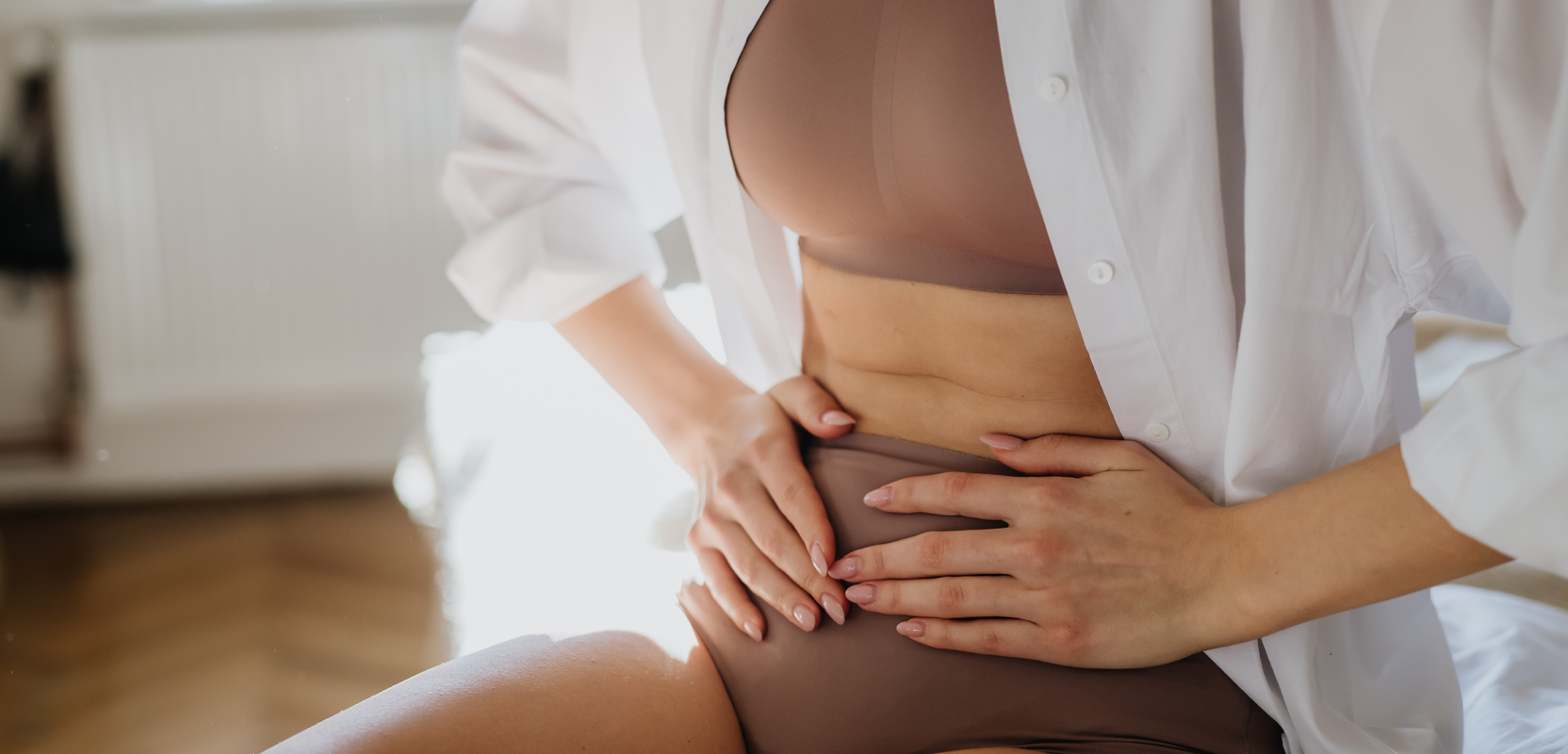

In Chinese medicine, there is an old adage that says: “Treating ten male diseases is easier than curing one woman.” It may sound a little strange, but the explanation is simple. With its unique reproductive system and constant fluctuations in hormone levels, the female body is much more complex and intricate than the male one.
For a therapist, however, this is an undeniable advantage. The female body offers them many more diagnostic signals than the male body.
Today, we will look at the female cycle a little differently – as a fascinating alternation of “four seasons” within the body. When you understand what is happening in each phase, you can support your body through diet, herbs, and lifestyle.
Western medicine describes the cycle through hormones, ovaries and the endometrium. TCM views it as the ebb and flow of Yin and Yang governed by the axis of the Kidneys (Shen), Heart (Xin), Liver (Gan) and the extraordinary vessels Chong Mai and Ren Mai. When you combine these two perspectives, a practical guide emerges: when to supplement, when to move, when to warm and when, above all, to reduce.
Western medicine usually divides the cycle into:
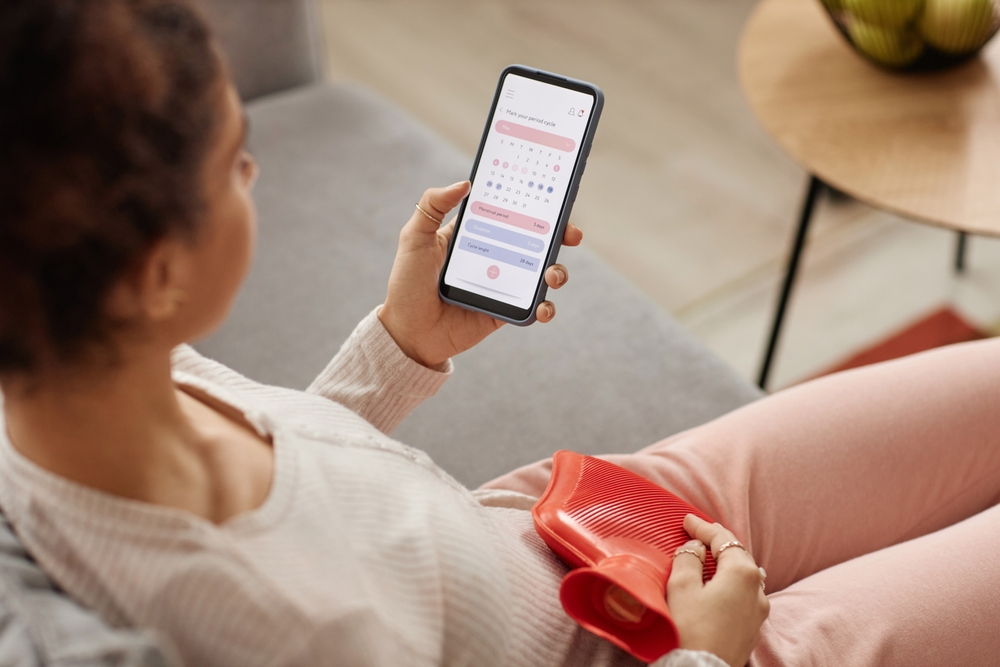
For practice, one thing is essential: basal body temperature (BBT). After ovulation, it typically rises by approximately 0.2–0.5 °C due to progesterone and remains elevated until menstruation. If this temperature increase does not occur, or is low or short, we gain a very useful diagnostic clue for differential diagnosis (both in TCM and in the Western view of luteal insufficiency / anovulation).
Chinese medicine states: the cycle is primarily governed by the Kidneys (Shen), their Yin and Yang, and the "ebb and flow" occurs via Chong Mai and Ren Mai. In this model, menstrual blood is closely linked to the essence Jing and Tian Gui (menstrual "heavenly dew").
Two transitions are important:
And from this follows an important recommendation that every woman should remember:
After menstruation, we replenish. Before menstruation, we relax and warm!
From the 1st day of bleeding (lasts approx. 3–7 days)
This phase is the beginning of everything. If the egg from the previous cycle was not fertilised, the uterine lining is shed. From the perspective of Chinese medicine, there is a movement of Qi and blood downwards. It is a phase of "releasing the old" so that the new can arrive.
What is happening in the body:
How you feel: You may be tired, withdrawn. It is an energetically demanding period; the body is cleansing itself.
Practical advice and therapy:
Caution: If you are bleeding too heavily, we do not move the blood, but stop it (e.g., the mixture San Qi – 103 Panax or the mixture Qing Re Zhi Beng Tang – 100 Red Flower).
After the end of menstruation (lasts approx. 7 days)
As soon as menstruation ends, spring arrives. It is a period of expansion, growth and new energy. Your body begins to "refuel" for the next cycle.
What is happening in the body:
How you feel: A surge of energy, better mood. It is a period that favours creativity and social life. Women "bloom" in this phase and have the desire to start new projects.
Practical advice and therapy:
- MyBlood: A special formula specifically for replenishing blood and Yin.
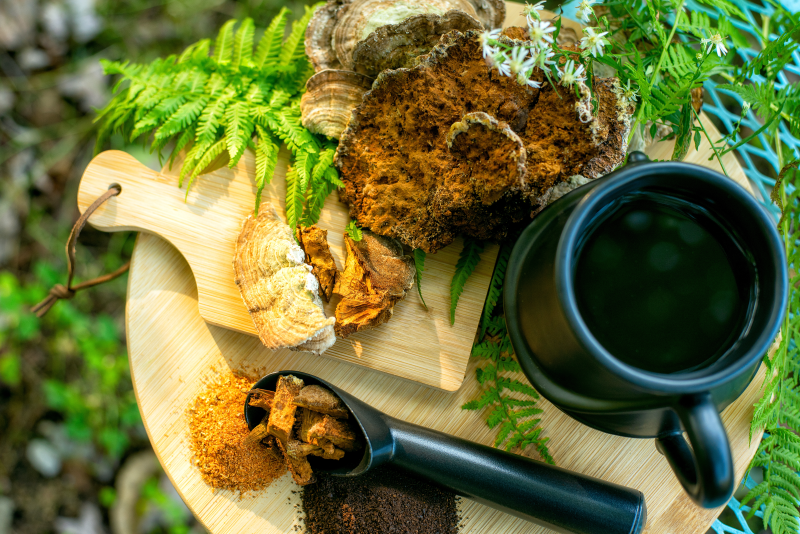
- Dried herb blend for blood support: a recipe of dried herbs for blood replenishment. You can make a decoction or add the herbs to a meat broth.
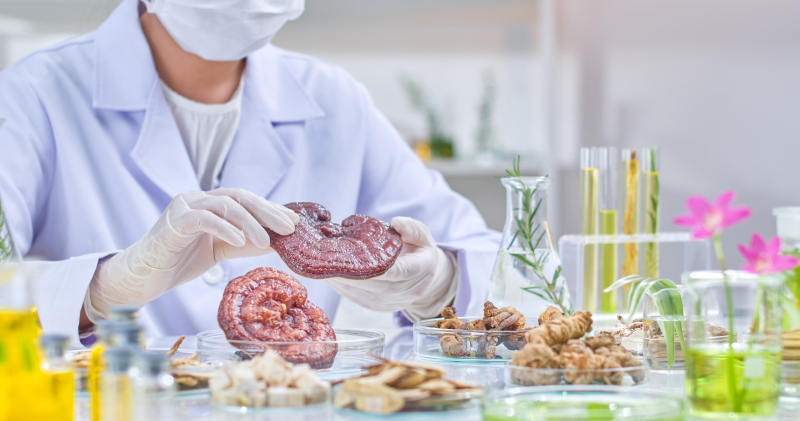
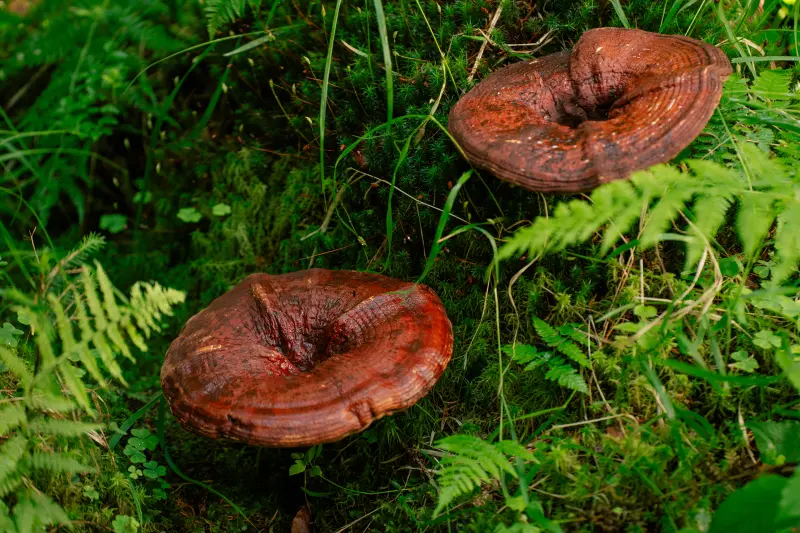
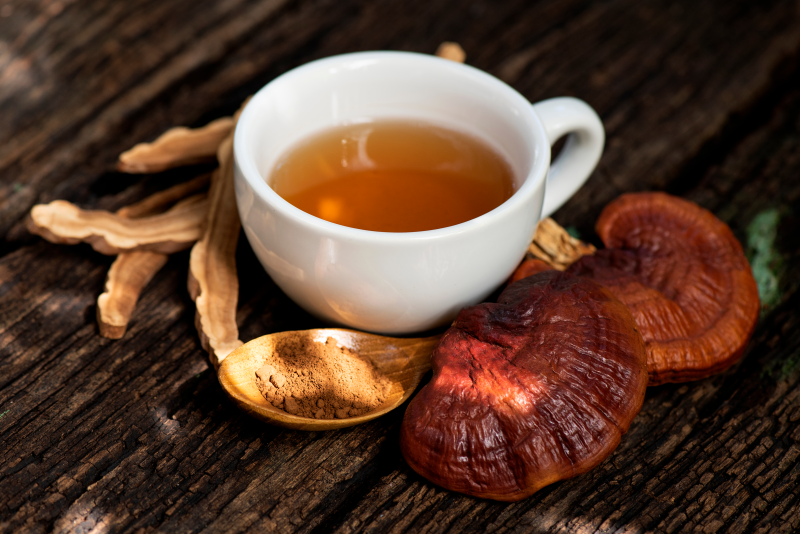
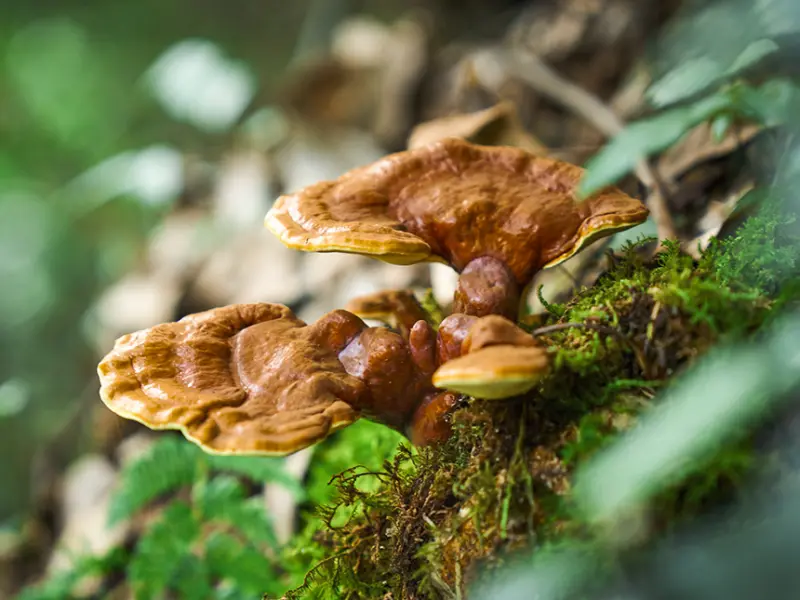
- Reishi: Nourishes the blood and calms the Shen spirit.
Shorter phase in the middle of the cycle
This phase corresponds to summer. It is the peak, the turning point. Yin reaches its maximum and begins to transform into Yang.
What is happening in the body:
How you feel: Mostly great. Libido is at its peak; a woman is at her most attractive and fertile.
Practical advice and therapy:
The week before menstruation
Summer is ending, autumn is arriving. A time of harvest, but also a time when things can start to get stuck.
What is happening in the body:
How you feel (PMS): If you have any hidden imbalances in your body (most commonly Liver stagnation due to stress and unsettled emotions), they will manifest fully in this phase. The natural blockage in the lower abdomen exacerbates the others. The result? PMS. Irritability, mood swings, breast tenderness, bloating, cravings for sweets. I often observe increased activity, typically cleaning tasks. A woman feels the need to 'clear the space', but is often irritable while doing so.
Practical advice and therapy:
- Xiao Yao San - 001 Breaking the Shackles blend: The most commonly used blend for releasing Liver Qi and the psyche.
- MyStress: A modern blend for the somatisation of stress and the release of tension before menstruation.
- MycoSomat: Similar to the previous formula, this is a modern blend for the somatisation of stress and the release of tension before menstruation. It also contains herbs that clear heat from constraint (to be used for any signs of heat).
If you are dealing with cycle or fertility issues, I recommend tracking your basal temperature. For me as a therapist, it is a wonderful diagnostic tool. The curve on the graph beautifully shows the therapist how Yin and Yang alternate in your body, whether you have enough Yang to "heat up the room" during ovulation, or whether your follicular phase is sufficiently nourishing.
A therapist often applies a different method of treatment in each phase of the menstrual cycle. It is a demanding therapy, but the body responds better to it.
Dear women, listen to your body. It is not a machine that runs the same way all the time. It is a garden that changes with every season. And if you respect its cycles, it will reward you with health and mental well-being, or a long-awaited baby.

Subscribe to our newsletter and you won't miss any promotions or important information