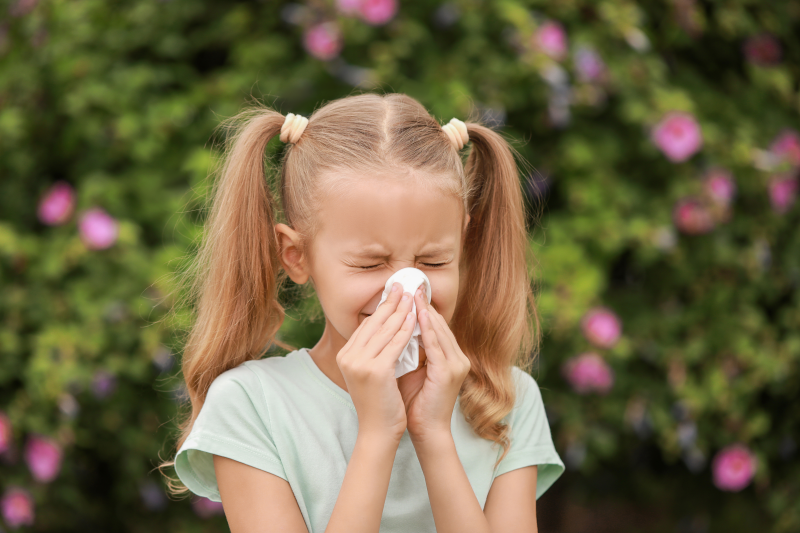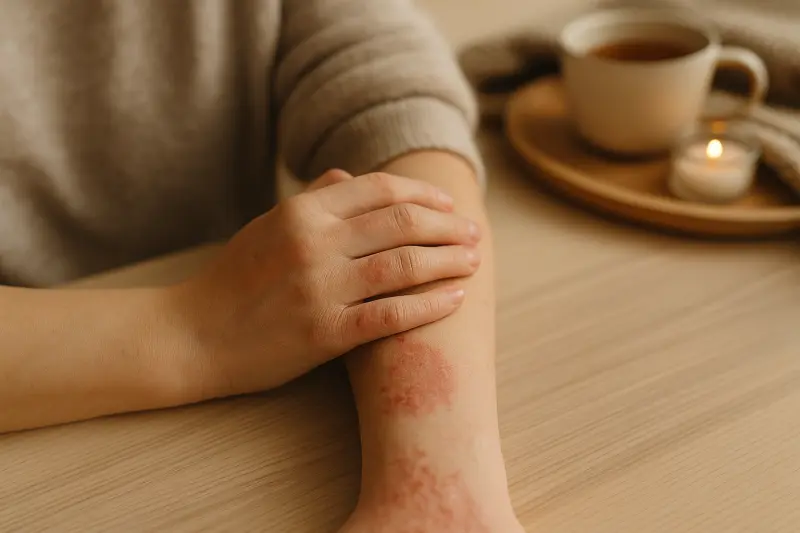



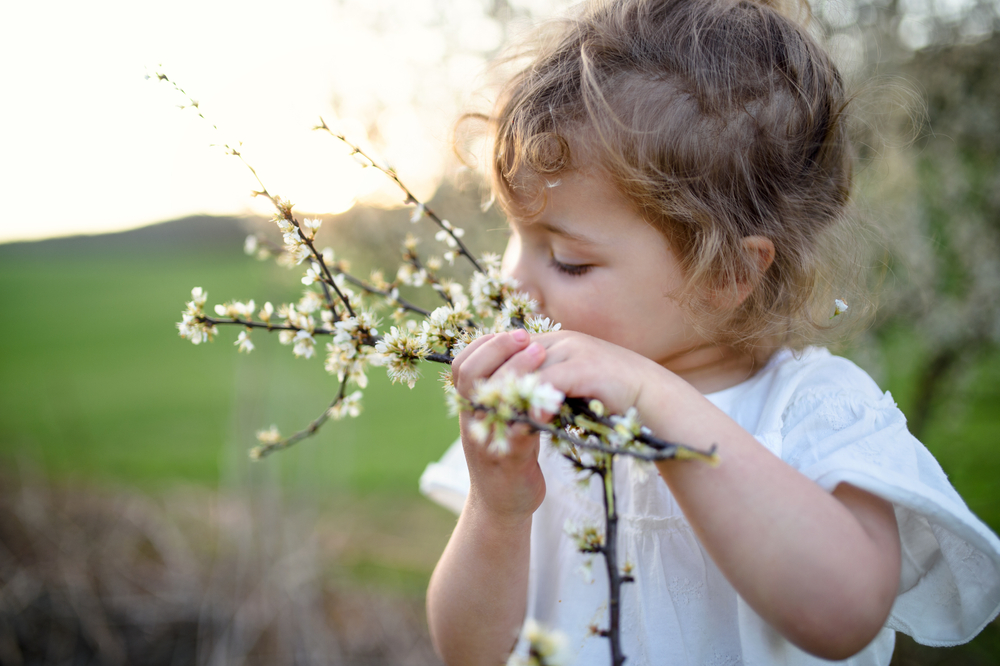
From the perspective of Western medicine, the cause of allergic rhinitis is an inappropriate reaction of our immune system to pollen grains. The immune system of a healthy person does not consider pollen grains to be dangerous, but the immune system of an allergy sufferer evaluates pollen particles as an object dangerous to our organism and triggers defensive reactions – it begins to produce IgE class antibodies. In allergic people, these antibodies are found in increased amounts on the surface of so-called mast cells, which are very important for the proper functioning of our immune system. You can find them in strategic places where our organism comes into contact with an external pathogen, i.e. in the skin, in the lungs, in the digestive system, and also in the nasal epithelium. They are also important, for example, in the case of snake bites or as a defence against parasites, bacteria and viruses.
When pollen grains come into contact with the IgE antibody, the cargo carried by the mast cells is unlocked, and substances such as histamine or proteases are released into the system. That is why Western medicine primarily uses drugs for "hay fever" that inhibit (prevent or completely limit) the release of histamine into the organism. Histamine and other substances result in the dilation of blood vessels, which leads to the activation of even larger cells of the immune system and, as a result, to the development of inflammation as a defensive reaction of our organism to an attack from the outside. However, many other mechanisms associated with allergic reactions are likely still waiting to be discovered.
People suffered from allergies as far back as ancient China, but not to the same extent as they do today. For this reason, this problem is not often described in classic textbooks of Traditional Chinese Medicine. Doctors of Traditional Chinese Medicine do not speak of diseases in the way we understand them today, but rather speak of "patterns" – the pattern of deficiency of Lung Qi, the pattern of Liver Qi stagnation, the pattern of damp-heat in the Gallbladder meridian, and so on. They do not even have a term for allergic rhinitis. The closest to our designation is the term Bi Qiu, which essentially means "blocked nose". Typical symptoms of Bi Qiu are sneezing and thin, watery mucus running from the nose. The patterns that form the basis for Bi Qiu are deficiency of the defensive Qi of the Kidneys and Lungs (which is the root of the disease – Ben) and the retention of chronic wind in the nose (which is the manifestation of the disease – Biao). In addition to the above, a contributing cause of "hay fever" is often deficiency of Spleen Qi, which creates mucus, or heat from the Liver.
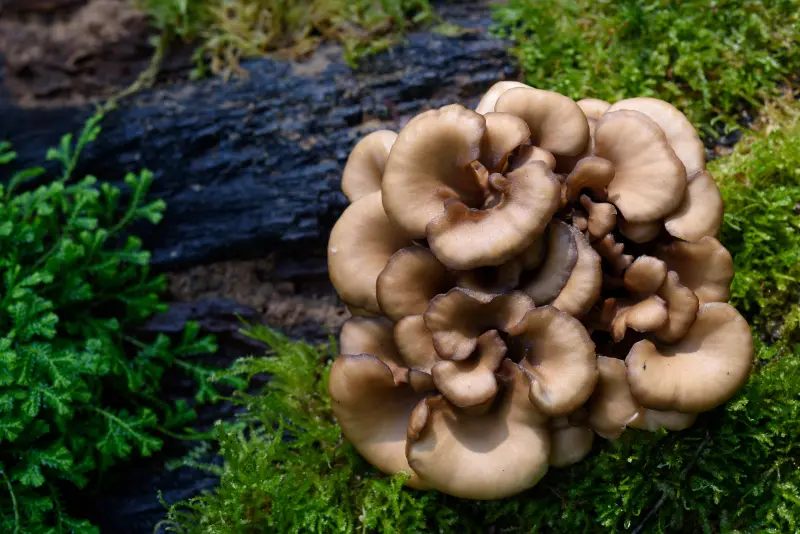
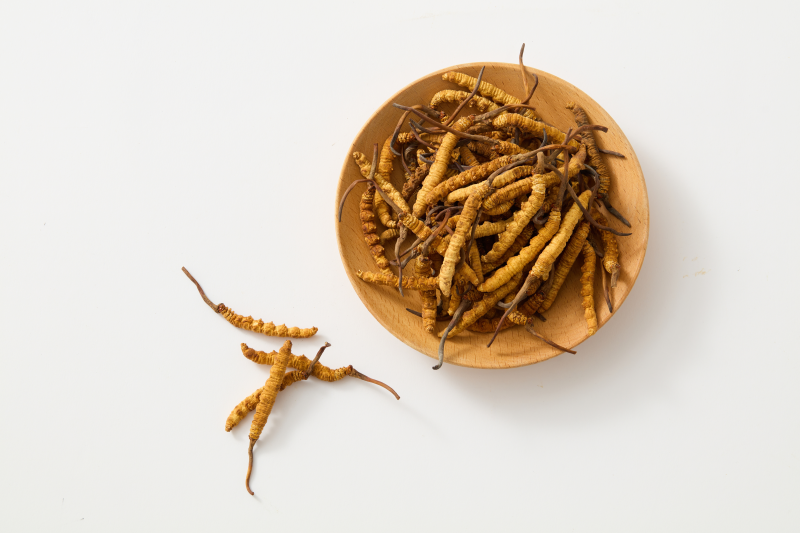
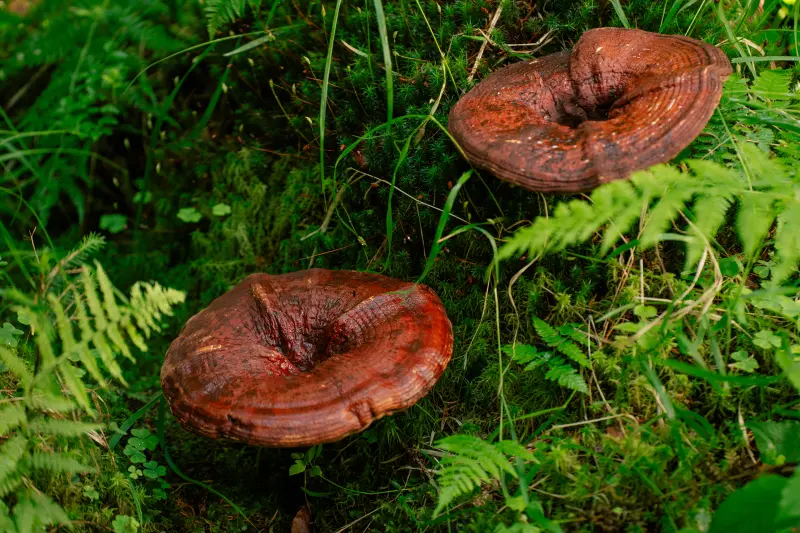
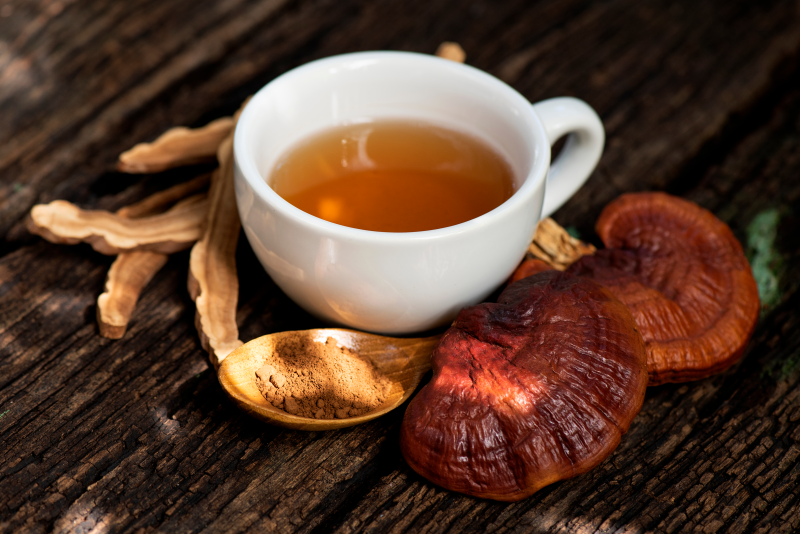
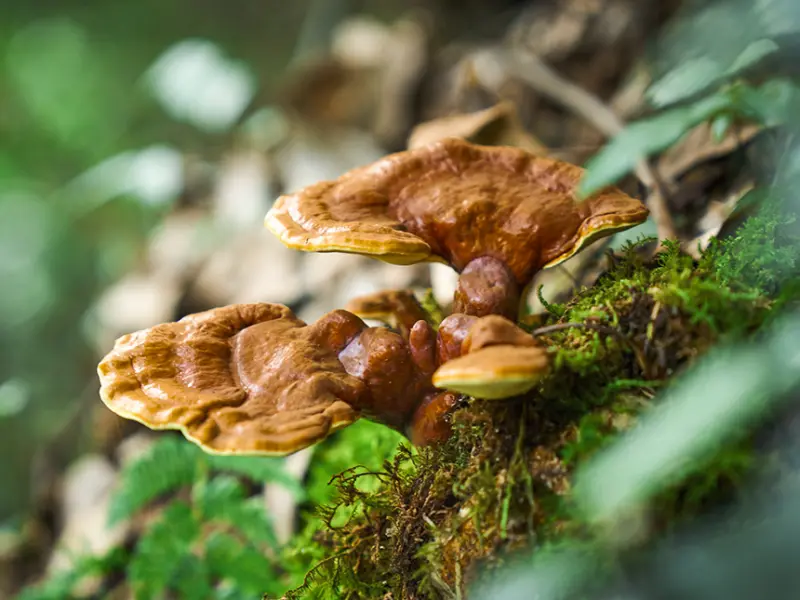
According to Chinese medicine, it is necessary to address both the root of the problem (the original cause) and the tip, i.e., the wind. Chinese medicine offers a number of options for dealing with them. Acupuncture is very good, especially when dealing with the acute state of hay fever. Herbs or medicinal mushrooms are also excellent. Chinese phytotherapy is a very individual therapy and usually uses bespoke herbal recipes. We are all different, and everyone has the causes of their health problems put together a little differently. However, a therapist who can put together an herbal mixture exactly for you is not always within reach. For these situations, products (herbal tinctures, capsules or tablets) already precisely formulated for allergic rhinitis are good.
We can. I usually recommend a diet focused on strengthening Spleen energy. The Spleen produces Qi energy and blood, which is fuel for our organism. If it functions well, it also supplies the Lungs and replenishes the Kidneys from any surplus. The Spleen loves regularity. Eat at the same time every day. Ideally 3 times a day. Children and people with hypotension more often. Eat high-quality and varied food. No additives, colourings, or preservatives.
During acute symptoms, I recommend omitting dairy and sweet products. Sometimes it also helps to limit white flour. At the same time, avoid allergenic foods such as peanuts, seafood, citrus fruits, etc. It will be slightly different for everyone - it is necessary to observe this individually. If there are signs of heat, such as red eyes, then limit hot, spicy, fried, and pungent foods.

Dealing with hay fever and other allergic symptoms is often a long-distance run. We often only address acute symptoms, such as a runny nose and sneezing. However, it is much more important to address the root of the problem. Strengthening the Kidneys, Lungs and Spleen. Or, if necessary, clearing heat from the Liver and Gallbladder. Regarding the Liver, I must point out that in this case, it is not about cleansing by using milk thistle, which regenerates the liver, but about clearing heat from the liver, e.g. with the Long Dan Xie Gan Tang mixture. You can practice this preventive approach of strengthening the Kidneys, Lungs and Spleen throughout the year, not just during the pollen season.

Subscribe to our newsletter and you won't miss any promotions or important information