


Practically everyone has some experience with atopic eczema, whether their own or someone else's. Atopic eczema currently affects 7−10% of the population, and this figure is constantly rising. We can only speculate as to why this is the case. Declining food quality, poor dietary habits, omnipresent stress, overeating, lack of exercise, electrosmog, and vaccinations are often cited as possible causes. However, we do not know exactly why the number of people with atopic problems is increasing. It is interesting that these figures are rising mainly in countries where people live in prosperity, with an abundance of everything—food, entertainment, material goods, but also stress—and in countries with high standards of hygiene. Perhaps we will find a partial answer if we look at the causes of atopic problems through the eyes of Chinese medicine.
Atopic eczema belongs to the group of atopic conditions. The term "atopic" is derived from the Greek word atopos = strange, foreign. It expresses something that occurs atypically. That is, differently from what is common. This group of diseases also includes allergic asthma and hay fever.
According to the dictionary of Western medicine, atopy is a hereditary predisposition. It is a hereditary tendency towards allergic reactions that manifest in various areas of our organism.
This is important information, as Chinese medicine approaches the explanation of atopic problems in a similar way, as we will discuss in a moment.
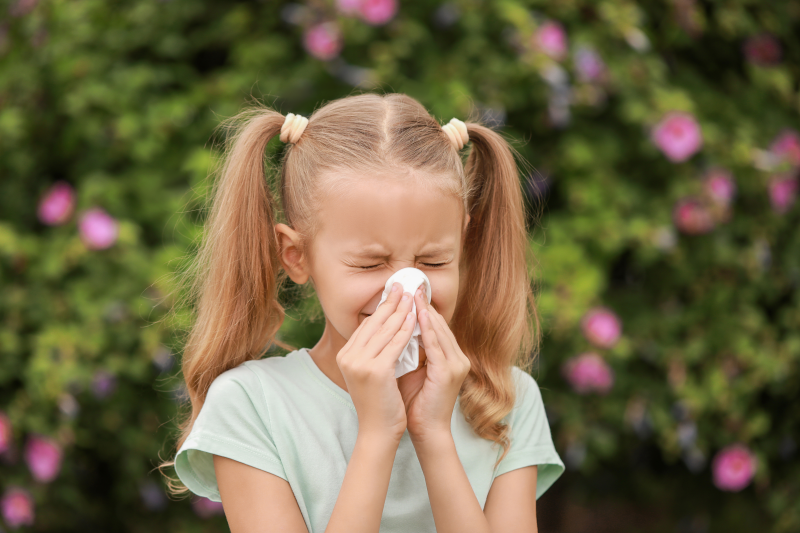
A person may have atopy but not suffer from any obvious problems. However, under the influence of certain stimuli, a reaction can occur where our immune system reacts disproportionately strongly to common substances, such as pollen, a certain food, or a cosmetic product. These substances are called allergens; an ordinary person does not react to them, whereas a person with immune hypersensitivity does. Today we will focus on atopic eczema, where the allergic reaction is inflammation of the skin (atopic eczema).
Western medicine does not yet provide a completely satisfactory answer as to why this predisposition and hypersensitivity develop in some people. Allergic reactions are mostly described as multifactorial diseases with an unclear cause. Only the factors that trigger an allergic reaction, i.e. allergens (substances that trigger an allergic reaction), are described.
Today, practically anything can be an allergen: certain types of food, various microorganisms (mites, bacteria, viruses or moulds), contact with various irritants (some metals, cigarette smoke, some substances in cosmetic products, certain medicines such as penicillin), and even emotional stress can and often does contribute to the development of atopic problems.
One theory as to how a person becomes atopic is the so-called hygiene hypothesis, which states that children in the Western world are not exposed to sufficient influence from various microorganisms from an early age because we live too hygienically, we disinfect everything, we constantly wash our hands with soap, we bathe every day, and therefore our immune system does not develop properly and then reacts disproportionately - hypersensitively - to common substances.
The second theory sees the spread of antibiotics and vaccination as the cause of allergies. This theory states that the excessive use of antibiotics and vaccination in childhood reduces the pressure of the external environment on our immune system; we do not have to fight external pathogens as much, and our immunity does not learn to react meaningfully. And later, it reacts disproportionately.
If we want to explain the causes and treatment methods of atopic eczema in the words of Chinese medicine, we must first mention two concepts: Biao and Ben (in English, we translate them as branch and root. The root is the cause of the disease and the branch is its manifestation). For example, a migraine headache is the branch, whereas the rising Yang of the Liver, which causes this pain, is the root of the disease.
If we only treat the branch, we may provide the patient with relief, but the disease will return. It is necessary to always treat the root of the disease, otherwise we will never get rid of it.
If we only address the tip of the iceberg with atopic eczema (e.g. using corticosteroids), the eczema usually disappears, but a new allergic reaction appears - typically asthma. From this example, we can see that it is necessary to truly address the root of the disease, and not just the tip.
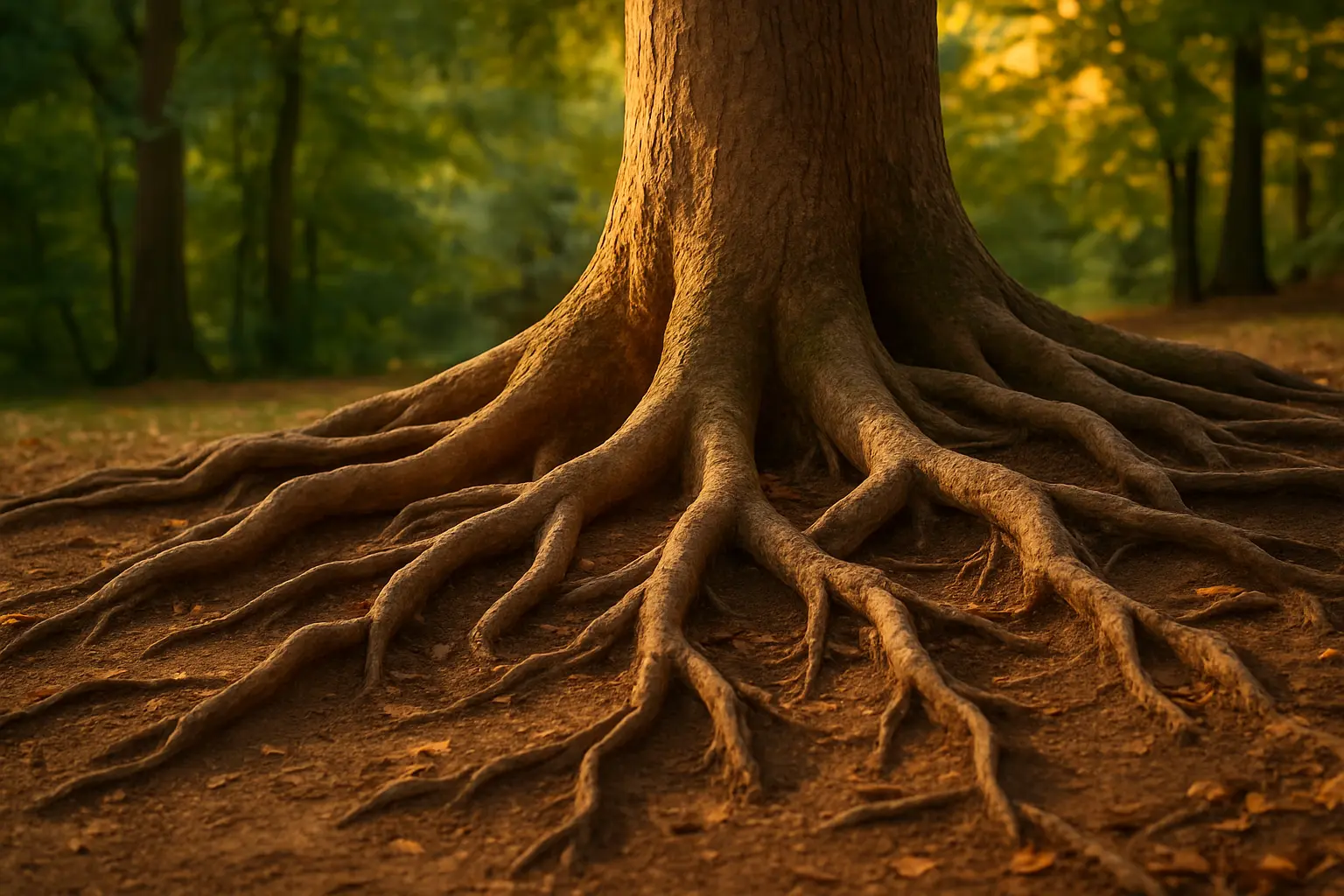
At the beginning, we stated that according to Western medicine, atopy is a hereditary predisposition. Something we inherit from our ancestors. And according to Chinese medicine, the essence stored in the Kidneys is responsible for heredity. It is responsible for predispositions to certain diseases, but also for our behavioural patterns or how long our life will be.
The second organ that contributes to the development of atopic eczema is the Lungs. In addition to being responsible for breathing and the distribution of Qi energy, the Lungs also govern the skin and body hair. Therefore, imbalances in the Lungs are also reflected in the skin.
Thus, the basis for the development of atopic eczema or atopy is usually some weakness of the Kidney and Lung organs. However, other organs can also have a significant share in the development of an atopic problem. For example, the Spleen, which produces and subsequently distributes Qi and blood from food. And if it is weakened, in addition to not creating the energy the body needs, it also produces pathological dampness. Therefore, if the eczema is weeping, which is a manifestation of dampness, then the Spleen needs to be supported. The Liver, on the other hand, is an organ sensitive to emotions and stress. And together with the Heart, it transforms them into heat. If the eczema is red, it contains heat that is transferred from the Liver and Heart into the blood.
The weakening of individual organs is therefore the root of atopic eczema. If we want to get rid of eczema for good, it is necessary to strengthen the weakened organs in the long term.
However, in the case of atopic eczema, it is necessary to address the tip of the iceberg concurrently with the root. That is, the manifestations on the skin. And concurrently with that, strengthen the affected organs.
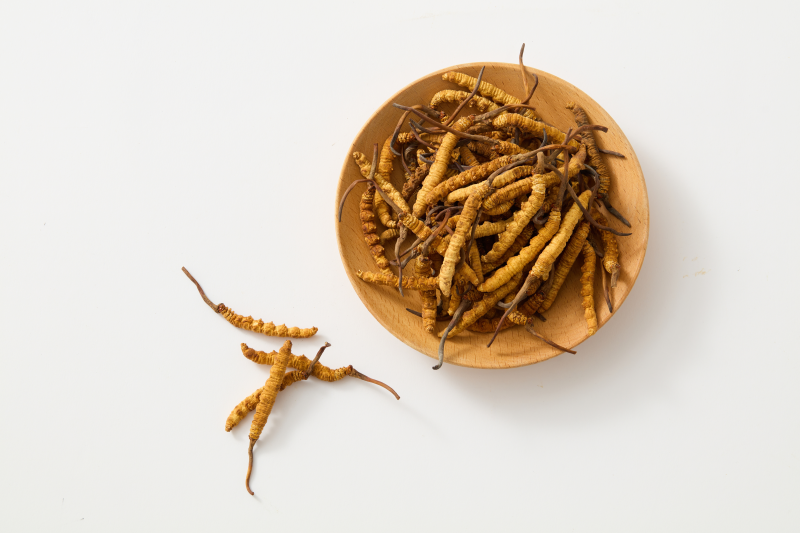
You may know that Cordyceps is excellent for strengthening the Kidneys. It replenishes the essence and Kidney Yang. This might seem ideal for atopic eczema. However, the problem lies in replenishing Kidney Yang. The cause of eczema is usually some form of heat. And by replenishing Kidney Yang (Kidney Yang is the small fire that warms our organism), we would be adding fuel to the fire. Cordyceps would therefore make atopic eczema even worse, which is why it is not used.
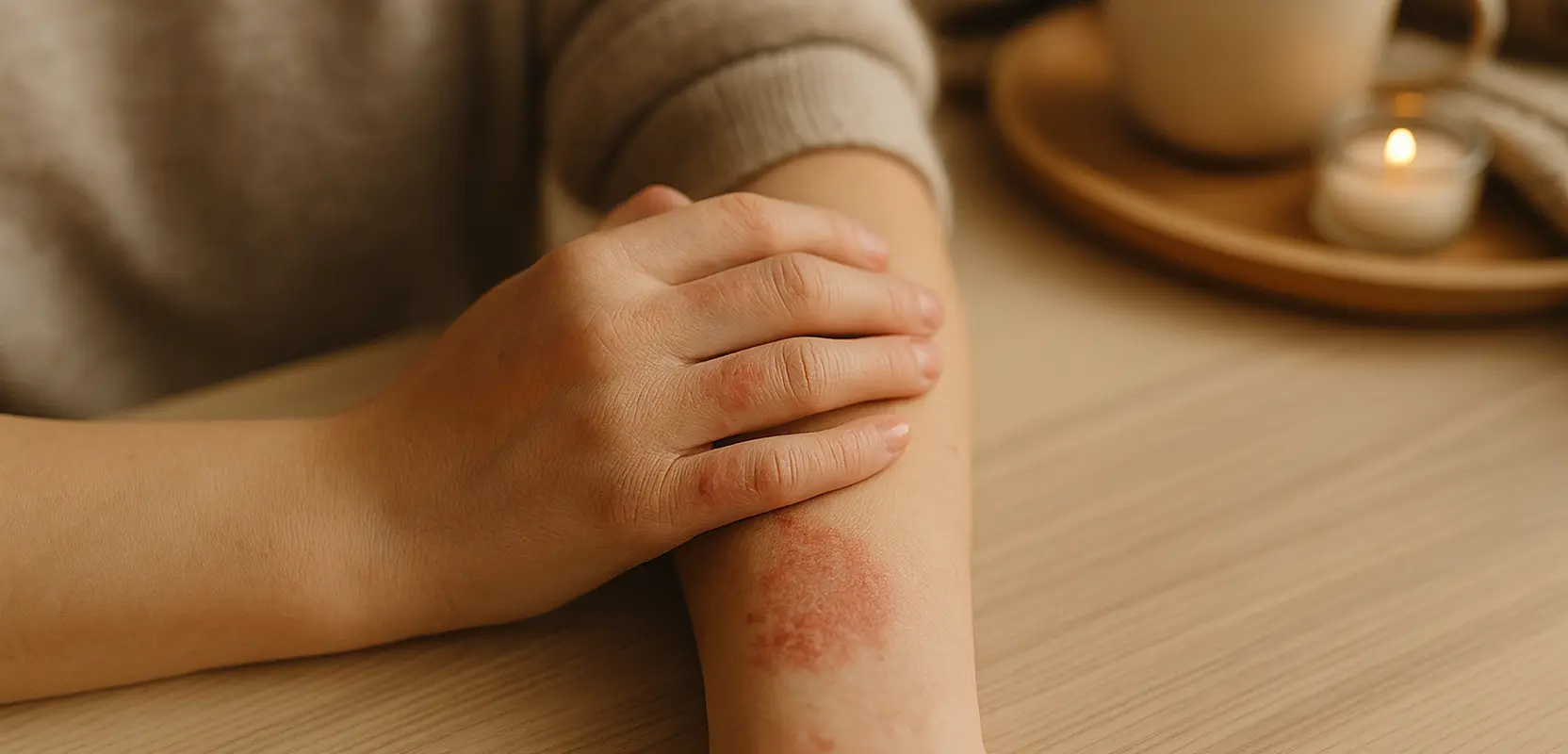
We used to say that atopic eczema is an allergic reaction that manifests as skin inflammation.
These lesions can have a varied appearance: they are formed by macules, papules, can weep, usually itch, form crusts, and are more or less red. All of this is important for diagnosis.
In my therapeutic practice for eczema, I observe:
1) How red it is or is not
The red colour is about heat, in this case, heat in the blood (in the words of Chinese medicine). Heat in the blood can arise in many ways. Either we eat foods that contain heat, such as spicy, seasoned, fried foods, etc., or alcohol is a good source of heat. The second, and in practice perhaps more common source, is heat generated by excessive or suppressed emotions and stress. Essentially, every such emotion, if it lasts long enough or is strong, turns into heat and, through the Liver or Heart, "pours into the blood" and can manifest on the skin as eczema.
Now, perhaps a thought has occurred to someone: why do small children have eczema who do not yet drink alcohol, do not eat spicy foods, and probably do not stress much either? Here, the culprit is so-called Tai Re (pronounced 'tie reh' and translated as embryonic heat). Tai Re is latent heat that is transferred to the child from the parents. Perhaps the mother was stressed during pregnancy or ate spicy foods. And Tai Re waits in the child's organism. Then it is enough for a vaccination to occur (which is usually a hot pathogen) or some viral infection (which is usually hot wind), and the embryonic heat wakes up and manifests as eczema.
That is why it is very important for parents to be in good condition before they conceive, and for the mother to avoid all things that can create heat in her during pregnancy. This applies especially to parents who themselves have some atopic disease.
2) How the eczema itches
Itching speaks of wind. According to Chinese medicine, wind is a pathogenic factor capable of causing imbalances in the organism. Wind can enter us from the external environment. This is how an allergen that triggers an allergic reaction can be understood. But that is only a trigger. Wind can also arise inside the organism. Then it is usually generated by the Liver and arises either from great heat or from a deficiency of blood. However, there is also a theory about a special wind that is neither internal nor external. It is a certain hidden chronic wind that is usually lodged in the Lungs, but probably also in other parts of the body. And if it combines with external wind in the form of an allergen, it can trigger an allergic reaction. For example, in the form of skin inflammation.
3) Whether the eczema is dry or weeping
This indicates the presence of dampness. Dampness is almost always present, even if the eczema is not currently weeping. Even the fact that the eczema is raised to the surface is already considered a symptom of dampness. In the case of dampness, the Spleen has a great influence; when it is weakened, it produces dampness, which can manifest, for example, as weeping eczema. If the eczema is very inflammatory, if the crusts are very yellow, it is a combination of dampness and heat, or so-called damp-heat, where dampness from the Spleen combined with heat to create damp-heat. Damp-heat is something we call an inflammatory reaction, but the equivalence between these terms is not entirely precise.
If we want to treat eczema, it is necessary to assess the ratio of these three manifestations – heat in the blood, dampness, and wind. And, of course, also the weakening of individual organs.
1) Vital mushrooms
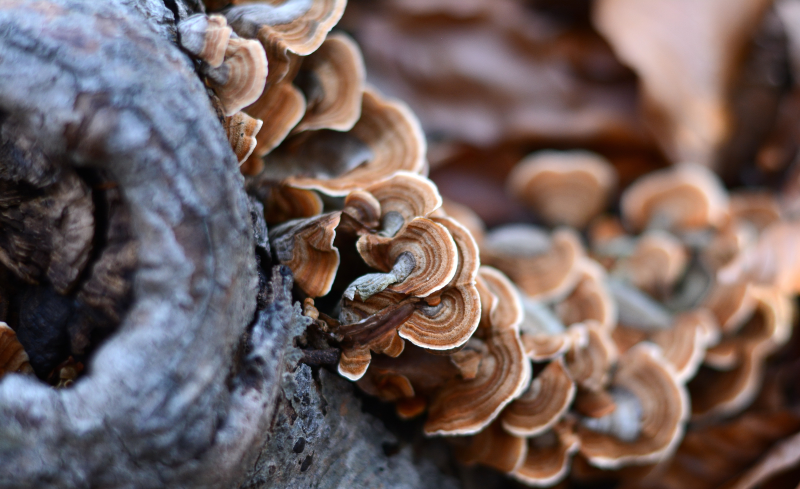
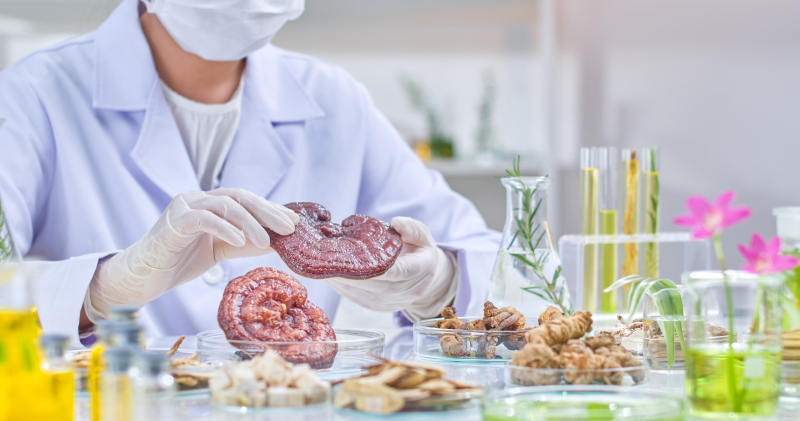
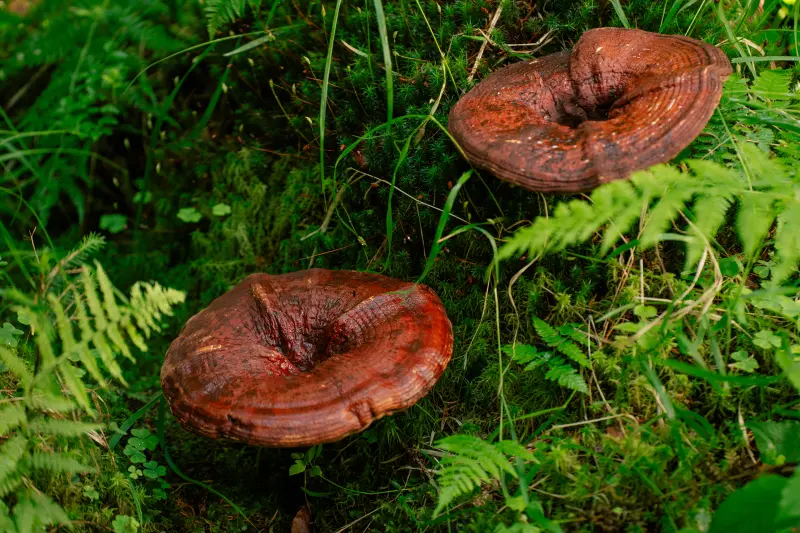
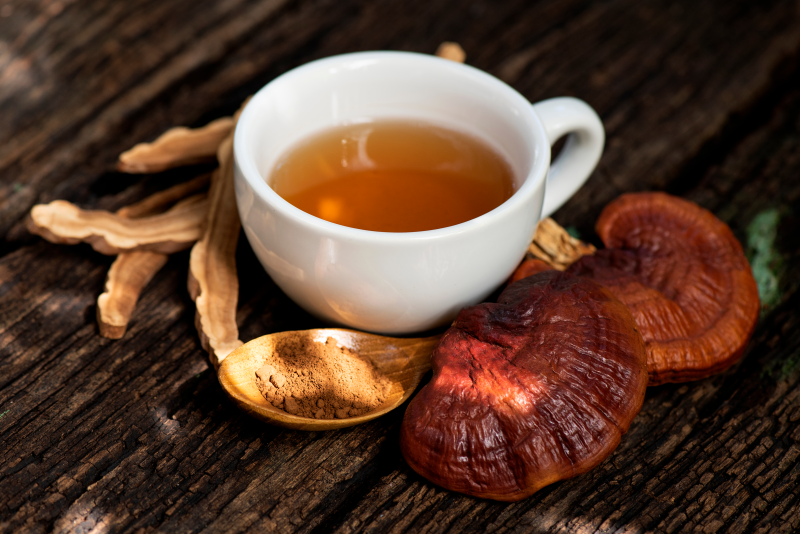
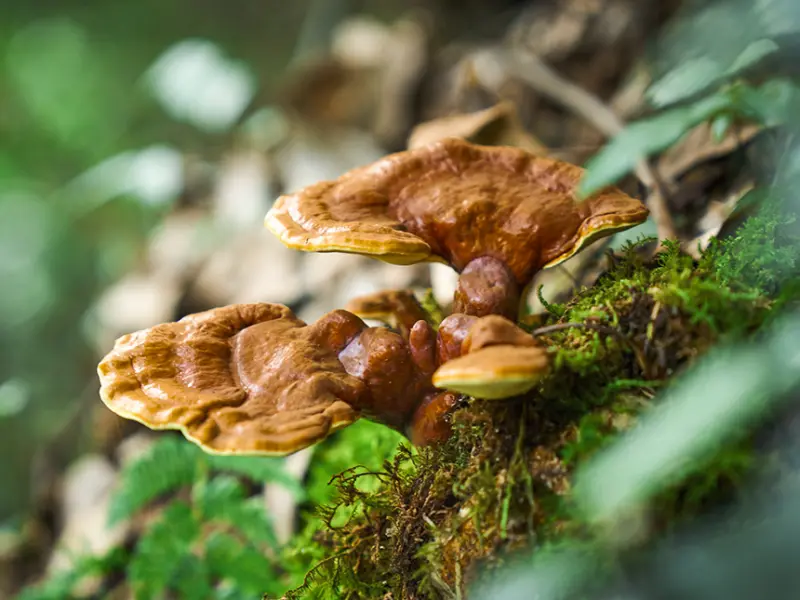
For atopic eczema, I very often recommend the vital mushroom Reishi. And for several reasons. Reishi is able to regulate our immune system and at the same time has a tropism for the skin. It strengthens the Lungs and also the Heart. It is used for various types of atopy. It is excellent especially for children with atopy.
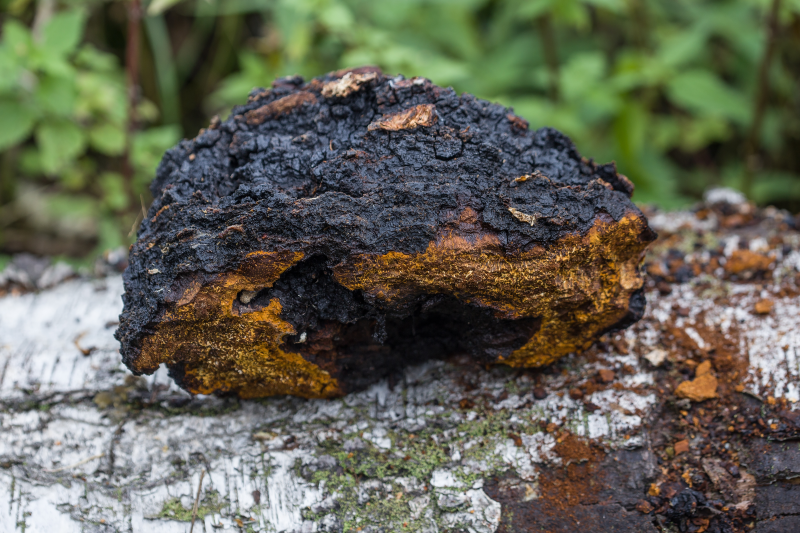
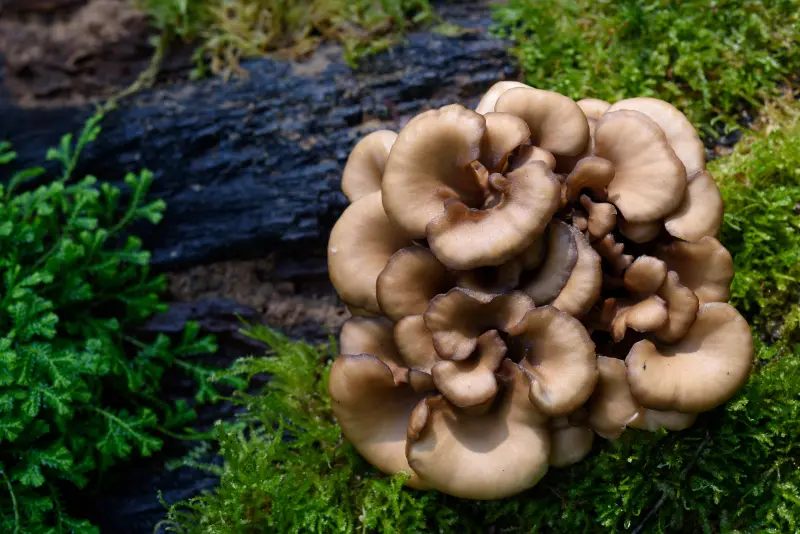
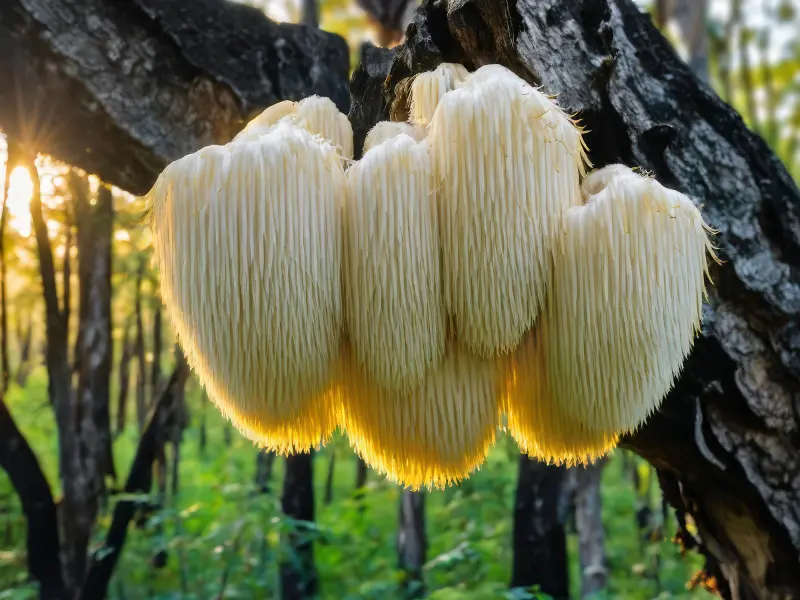
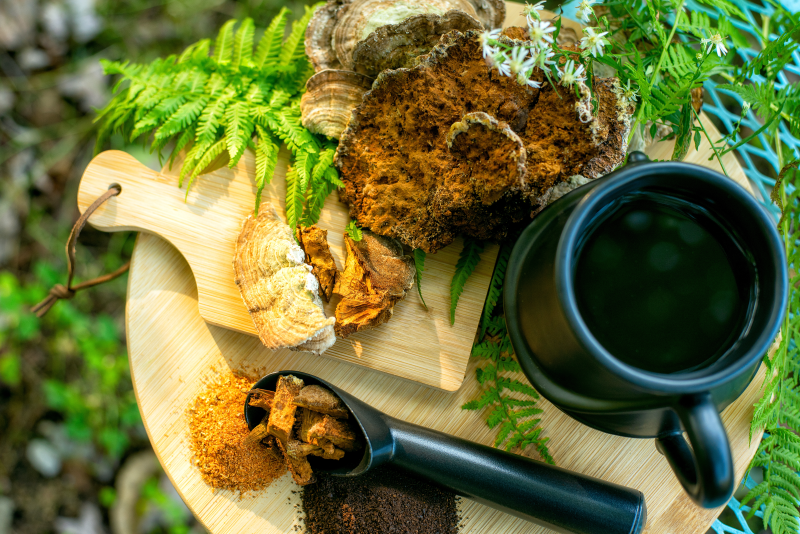
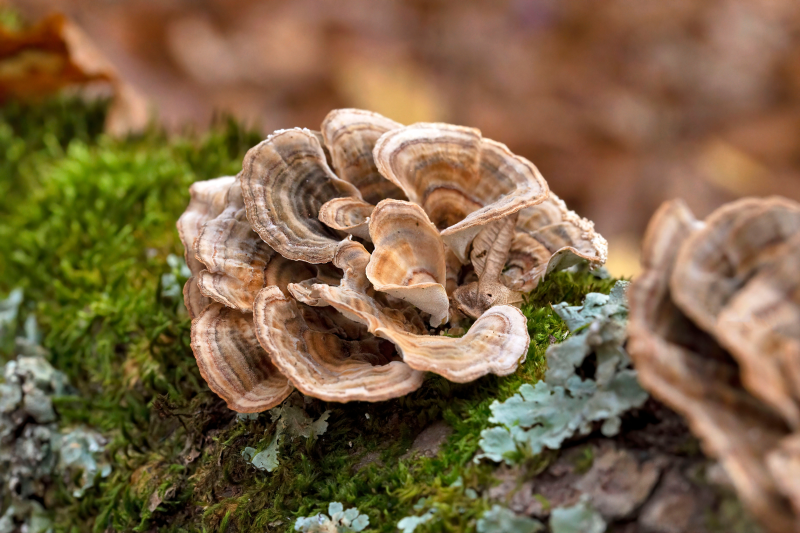
Similarly, the vital mushroom Agaricus is used, which, in addition to harmonising the immune system, also cleanses the intestines and supports digestion. If the eczema has a tendency to weep, then the vital mushroom Chaga is suitable. I use all these mushrooms in the form of extracts in a 30% concentration.
2) Xiao Feng Pian
Xiao Feng Pian is probably the most frequently used herbal blend for atopic eczema and other forms of dermatitis. It is more for drier eczema that is not very weepy. It contains herbs that clear heat from the blood, clear damp-heat, drain dampness from the organism, release wind and stop itching. One of the herbs used is Sophora, which, according to scientific research, is reported to have an anti-allergic effect.
In addition to atopic eczema, Xiao Feng Pian is also used for some other skin problems, such as hives or psoriasis, acne, heat rash, fungal infections, rosacea or when stung by poisonous plants such as ivy or sumac.
3) Chu Shi Wei Ling Tang
The blend Chu Shi Wei Ling Tang has similar effects, only it is used in the form of a syrup and is therefore suitable for small children. I give it to children from a few months old.
4) Long Dan Xie Gan Tang
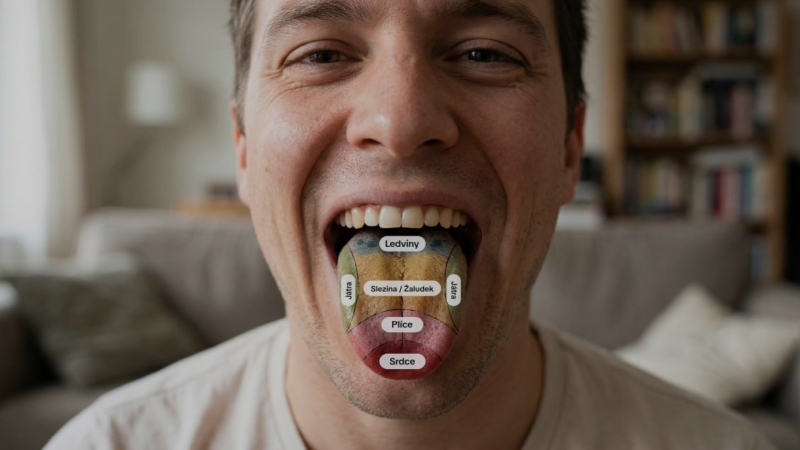
Another blend is Long Dan Xie Gan Tang, a blend that is generally given for problems of damp-heat in the Liver and Gallbladder meridians. And one of the manifestations of damp-heat on the skin can also be atopic eczema. The blend is suitable for eczema that is very inflammatory and very weepy. A person affected by damp-heat often has a yellow, greasy coating on the root of the tongue.
For eczema, Chinese medicine also offers external treatment in the form of various ointments. However, they must be used in parallel with internal preparations in order to resolve the root of the disease.
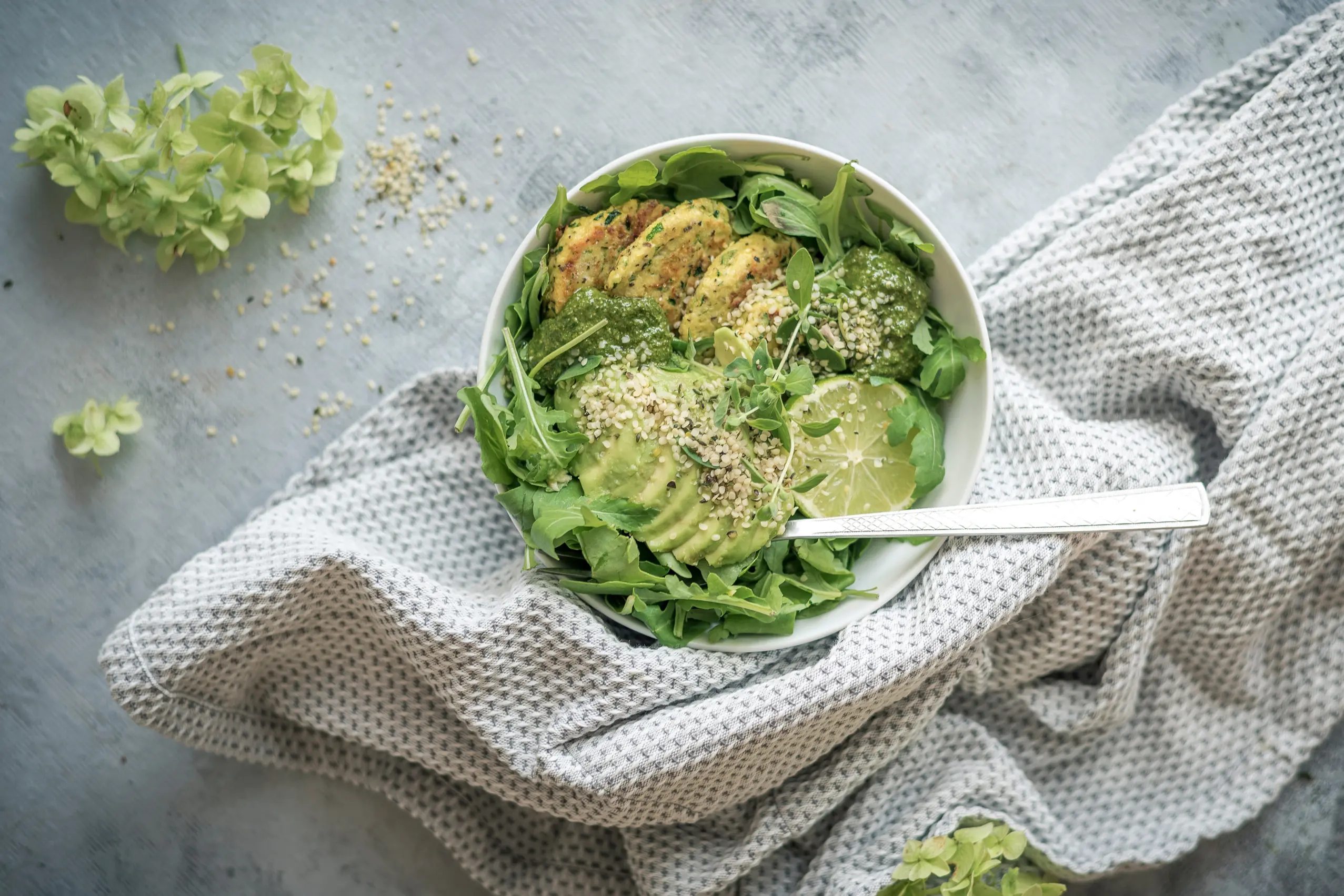
As with most other diseases, it is important not to rely solely on medication for atopic eczema, but also to strive for a change in lifestyle. In terms of diet, it is necessary to eliminate foods that worsen the eczema. Until the internal environment is harmonised, it is best to avoid these foods.
If the eczema is red, it is necessary to eliminate foods that bring heat into the body. These are foods that are:
Eating such foods is merely adding fuel to the fire. Emotions and stress are also major generators of heat. We need to start controlling our emotions, rather than letting our emotions control us.
If the eczema is weeping, then it is necessary to strengthen the Spleen and drain pathological dampness from the body. I usually recommend cutting out dairy, sugary and wheat-based foods. At least for the time being, until the problem is resolved. Then reintroduce them cautiously.

Subscribe to our newsletter and you won't miss any promotions or important information