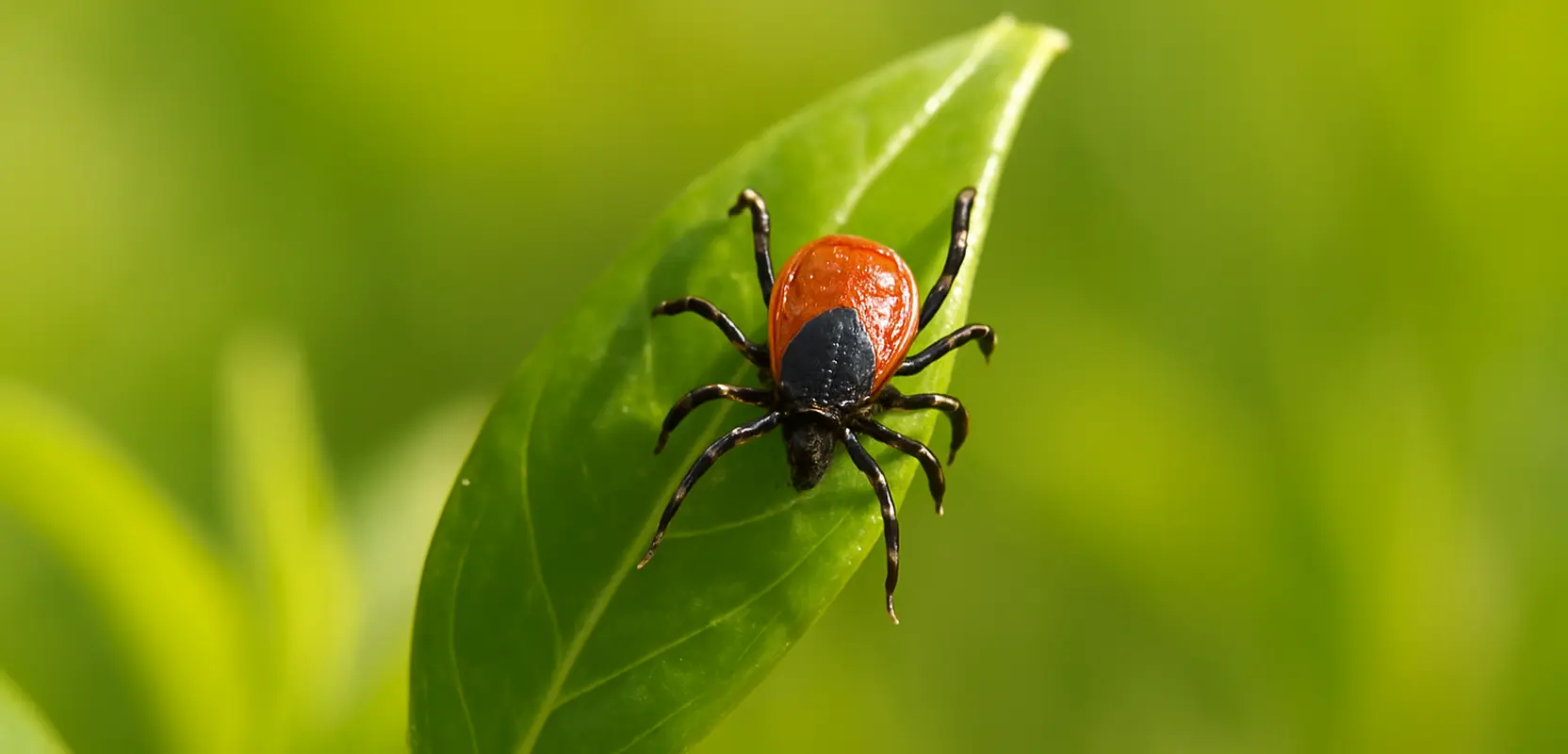



Lyme disease, also known as borreliosis, is a serious infectious disease that we are encountering more and more frequently in recent years. In the Czech Republic, 3−5 thousand people contract it annually. The disease is no longer transmitted only by infected ticks, but also by mosquitoes and other insects. Unfortunately, there is no protection in the form of a vaccine against it. The manifestations of the disease are becoming more severe year by year, and treatment is therefore longer and less successful. The causative agent of the disease is a bacterium (spirochaete) of the genus Borrelia. Thanks to its spiral shape and helical movement, the bacterium easily enters tissues and is even capable of crossing the so-called blood-brain barrier, which separates the internal environment of the brain from the vascular system in the body and allows for limited transport of substances between brain tissue and blood. It is capable of entering a whole range of other cells - tissue cells, vascular lining cells, neurons - and surviving there "unnoticed". And it is precisely "thanks" to this ability to penetrate tissues and hide within them that our immune system has trouble finding and destroying Borrelia bacteria.
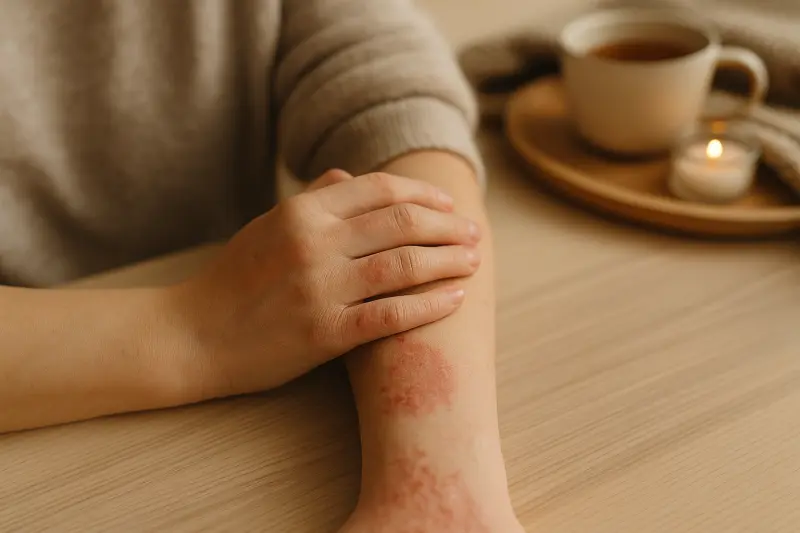
The incubation period for Lyme disease ranges from several days to several weeks. The onset of the disease is usually asymptomatic. The only indicator that often, but not always, appears is a red patch on the skin (erythema migrans). We usually notice it a few days to a few weeks after a tick bite or insect sting. It is typically about 5 cm in size, red in colour, and often appears to fade from the centre. It sometimes itches slightly, but usually does not hurt. Within a few weeks, we begin to feel other symptoms that often resemble the flu: fatigue, exhaustion, an elevated temperature (or a feeling of an elevated temperature), malaise, light-headedness, muscle and joint pain, sore throat, stiff neck, etc. At this stage, there is still a high chance of a cure, especially if our immune system is strong enough. If Lyme disease is not treated or is treated incorrectly at this stage, the pathogen tends to hide in deeper layers and the problem begins to become chronic.
The basis of successful treatment is correct diagnostics (the right type of laboratory examination) and the administration of antibiotics immediately in the early stages. Often, it is necessary to administer them long-term, and in combination with several types of antibiotics or antiparasitics. On the other hand, long-term administration does not always have the desired effect and may even harm the organism. Therefore, in the later stages of borreliosis, natural treatment often comes into play.
Chinese medicine works with the concept of a "hidden pathogen". This arises after the organism is attacked by an infection (whether it is flu or Lyme disease) and the immune system cannot cope with it - either due to inappropriate treatment or the patient's lack of discipline. An undertreated pathogen hides in deeper layers and waits there for its time to come. Then, all it takes is slight physical exhaustion or mental stress and the "hidden pathogen" begins to demand its share of energy, which it draws from the weakened organism. Symptoms usually include: feelings of fatigue and exhaustion, pain all over the body, feelings of increased temperature, recurring sore throat, etc. Over time, however, the symptoms become more severe and the organism transitions into the chronic phase of Lyme disease.
But why does someone get sick after being bitten by an infected tick and someone else does not? Which infections we catch and how we deal with them depends on the strength of our immune system. A strong immune system can also deal with Lyme disease, which explains why not everyone who gets infected with Lyme disease also gets sick from it. A strong immunity prevents its outbreak or contributes to its healing without our knowledge. Unfortunately, the immune system is weakened in many people today and is not enough on its own for such infections.
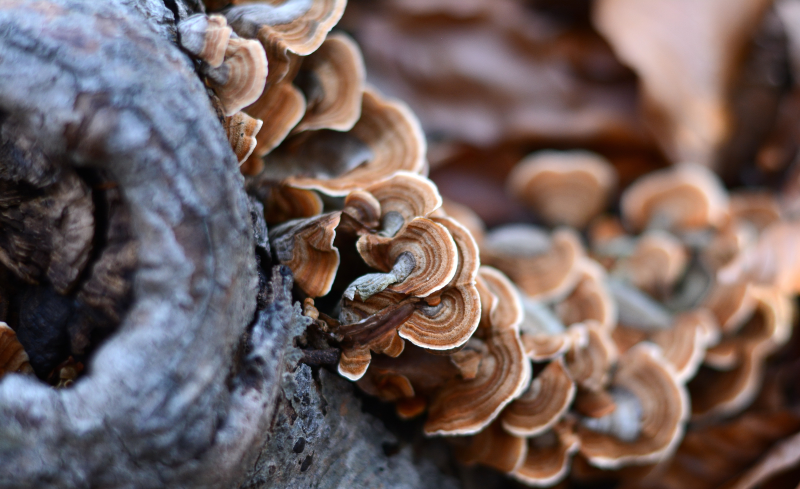
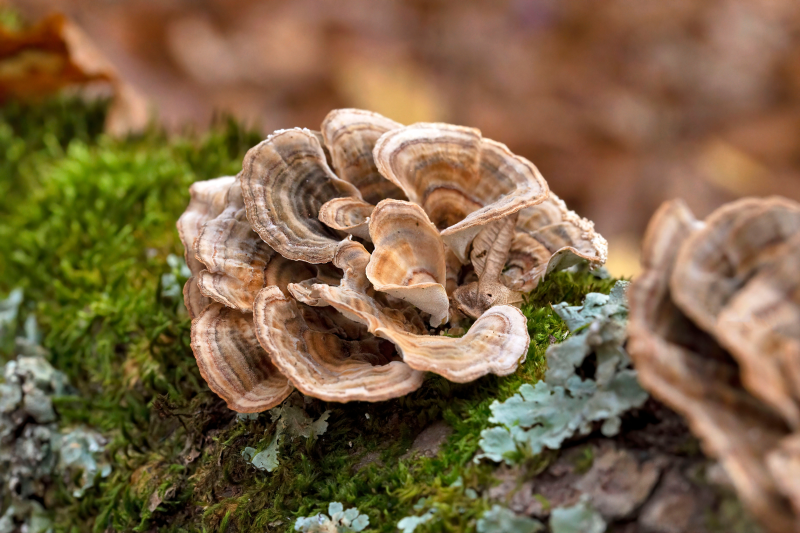
Coriolus - a weapon used by traditional Chinese medicine
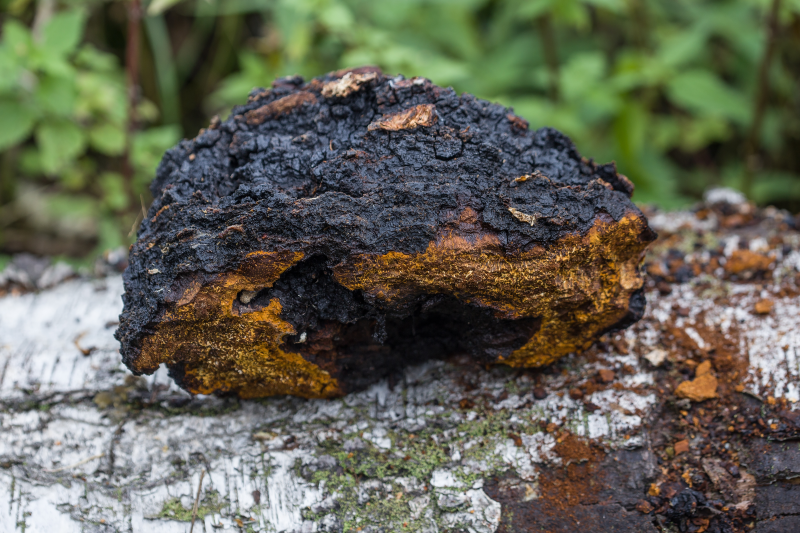
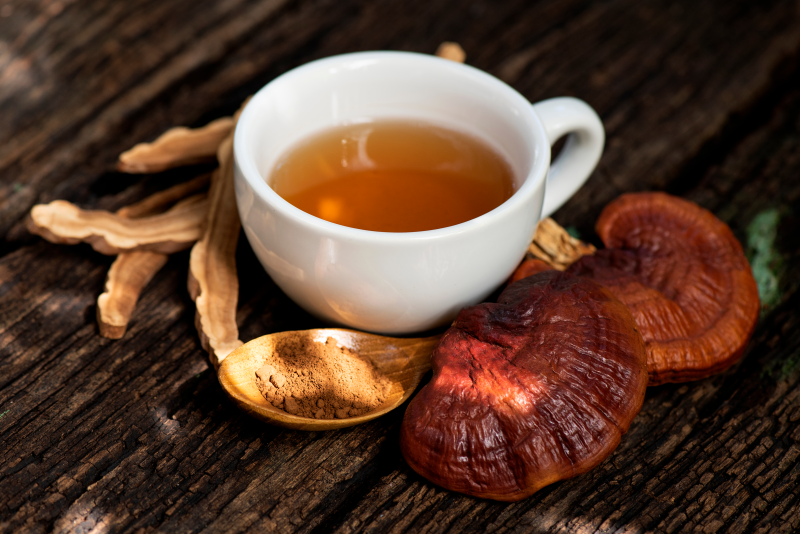
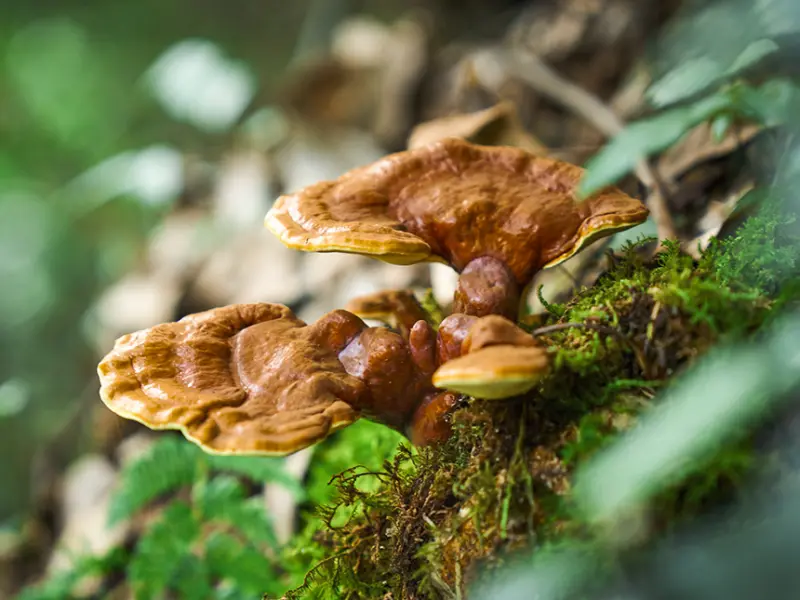
There are several ways to get rid of a "hidden pathogen" in Chinese medicine. Special herbal mixtures or acupuncture are often used. In practice, however, extracts from vital mushrooms, which have strong antibacterial and antiviral effects, are most often used. Experiments have confirmed that they can prevent the multiplication of bacteria and viruses and can even kill them, including multi-resistant (insensitive to most antibiotics) staphylococcus or the bacteria causing tuberculosis. Practice shows that specifically the Coriolus mushroom can also destroy insidious Lyme disease. At the same time, it is an extremely strong immunostimulant. It supports both innate and acquired immunity, which manifests itself in the fact that infections and "hidden pathogens" are more easily searched for, killed, and removed from the organism by immune cells. In addition, it improves the condition of mucous membranes and (vascular) linings, which makes it difficult for Lyme disease to spread further through the organism.
Although Coriolus is the number one choice for Lyme disease, I often combine it with other mushrooms (depending on the symptoms):
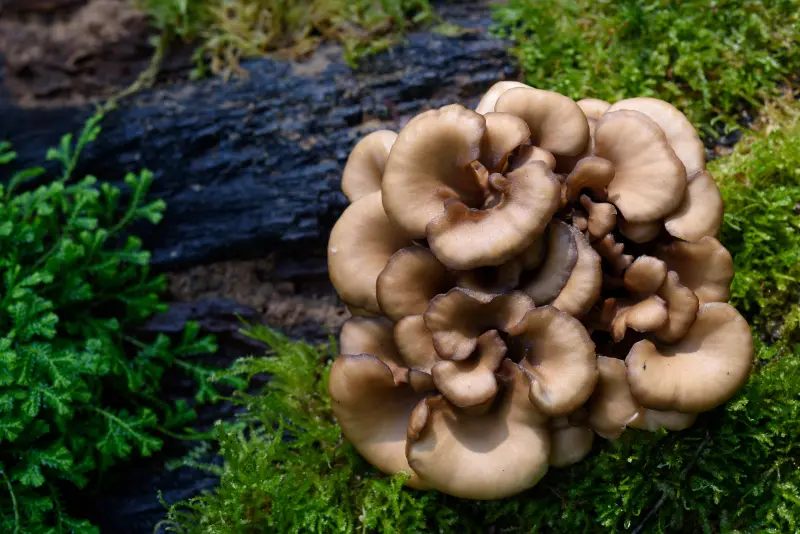
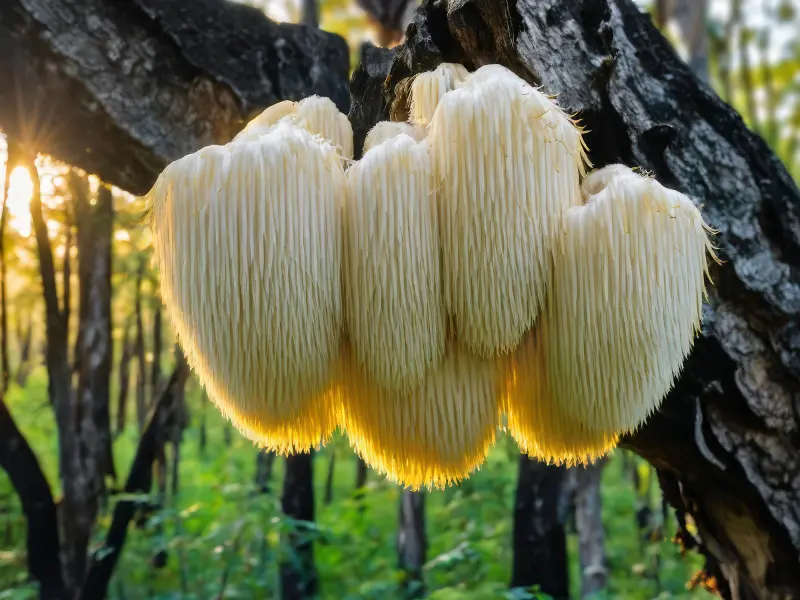
• for neuroborreliosis with Hericium,
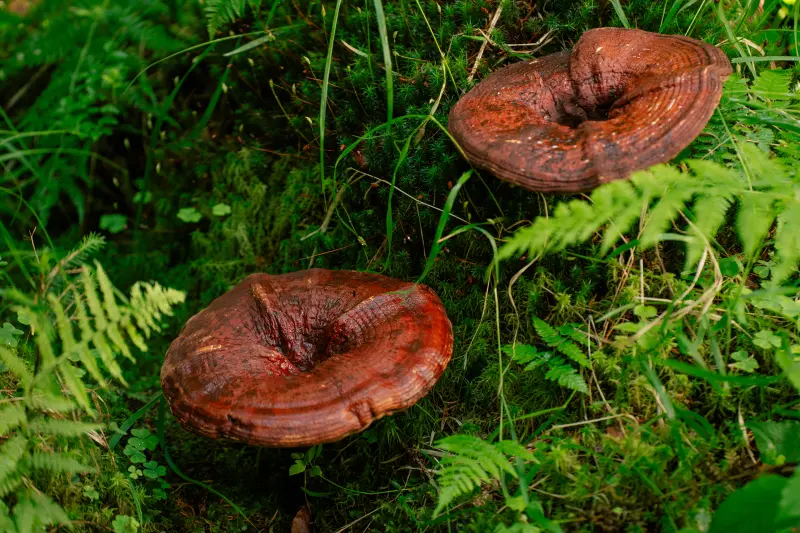
• for states of great exhaustion with Reishi,
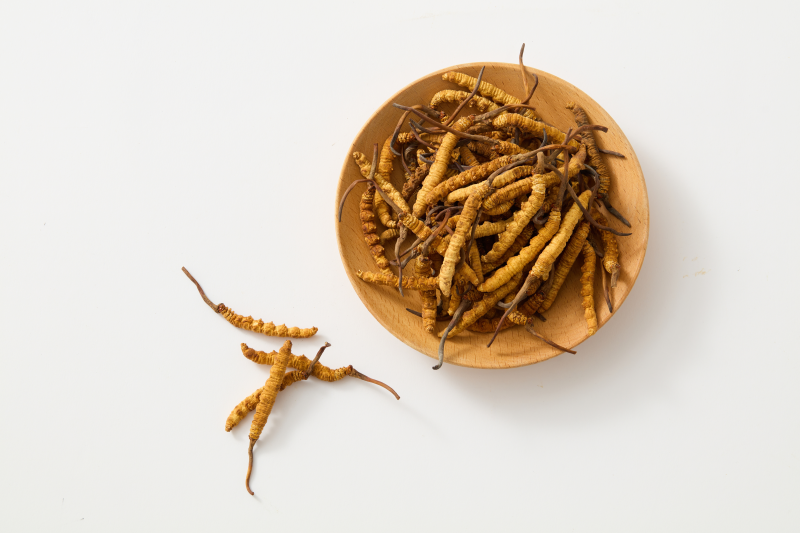
• for strong feelings of chilliness with Cordyceps.
I recommend Coriolus in the form of an extract with a concentration of 40% polysaccharides, other mushrooms with 30% polysaccharides. There are other concentrations, however, according to my long-term experience, these are optimal.
In general, vital mushrooms strengthen overall physical and mental condition. They support the regeneration of the organism, which has been weakened and damaged for weeks or months. They are safe and can be combined with conventional treatment.
Dealing with a "hidden pathogen" is sometimes a long-distance run. Therapy usually lasts 6 to 12 months, however, it is very individual and is influenced by many factors. For an adult patient, we recommend taking 3–5 g of mushroom extract daily (6–10 capsules). To avoid fatigue of the immune system, I advise taking the mushrooms 5 days a week and then having a 2-day break. Coriolus can be taken both in the acute phase of Lyme disease (even concurrently with antibiotics) and in the chronic phase.
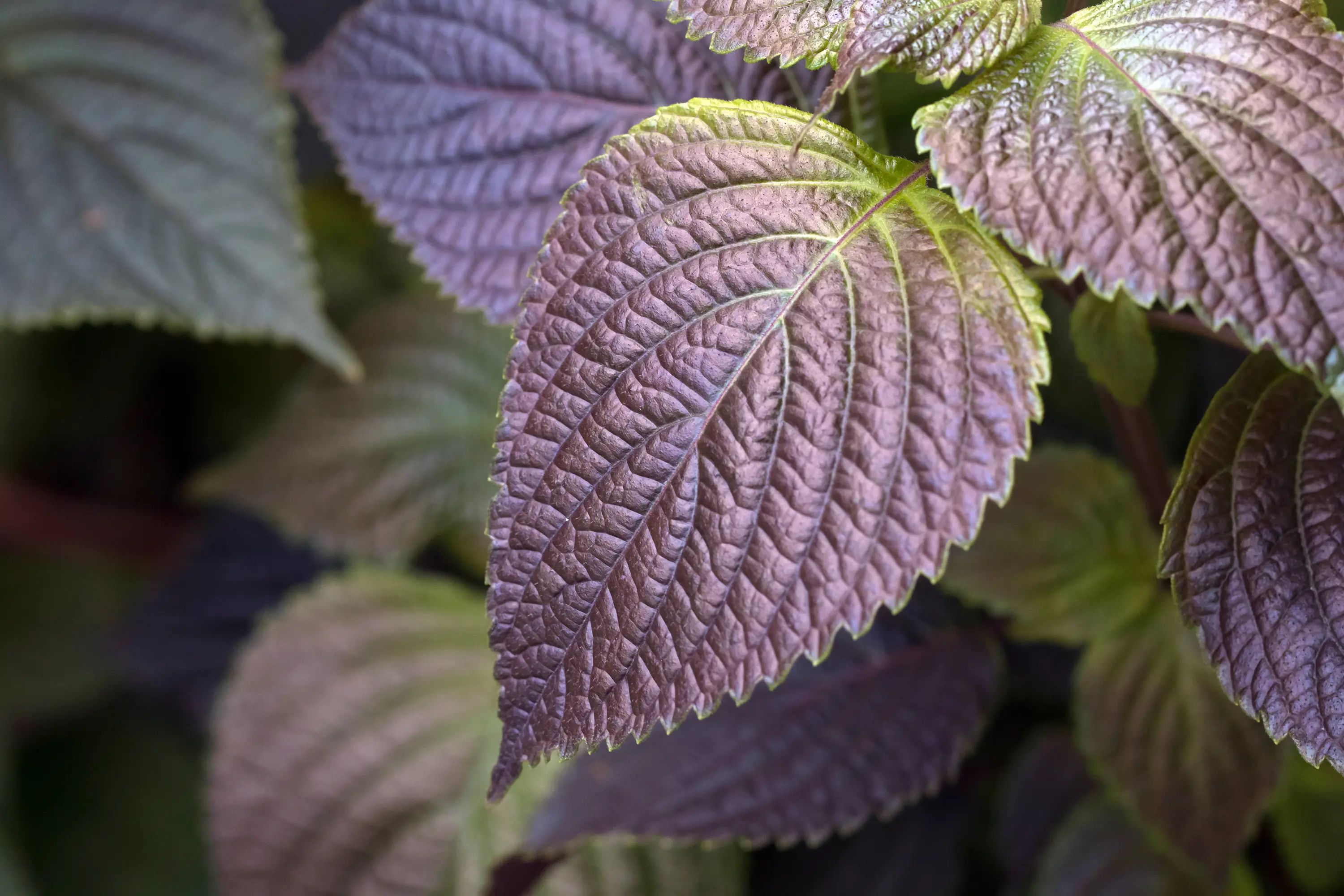
Another option for addressing the chronic phase of Lyme disease is the use of one of the classic herbal blends of Traditional Chinese Medicine for hidden pathogens, which I often combine with the aforementioned mushrooms. The herbs contained in this blend help to "vent" the hidden pathogen from deeper layers to the surface. You may know this blend by the name Su He Tang (which is a tincture) or Decoction of Perilla and Mint. The second name suggests that the two main herbs in this blend are perilla and mint. This blend is also often modified according to specific symptoms. However, the goal is to gradually arrive at this basic pungent blend. There is no need to take high doses, which is why the tincture form is also suitable. Sometimes, in the first few days of taking the blend, various "Herx reactions" may occur—unpleasant symptoms that happen when the pathogen is being pushed from the inner layers to the surface. If these negative symptoms are unbearable, I recommend reducing the dose. They should not persist for more than a few days.
Su He Tang is used for the following problems:
• hidden pathogen
• Lyme disease
• systemic candidiasis
• yeast overgrowth
• chlamydia
• chronic mononucleosis
• chronic infections
• pinworms, tapeworms, roundworms
• schistosomiasis
If you use Su He Tang in the form of a tincture, take the same number of drops per day as your weight in kg. If you weigh 60 kg, take 30 drops twice a day.
Based on my own experience, I must confirm that solving problems with Lyme disease, especially in its chronic phase, requires great patience and a really long time. Do not give up. It is worth it for the recovery, and you will find relief again.

Subscribe to our newsletter and you won't miss any promotions or important information