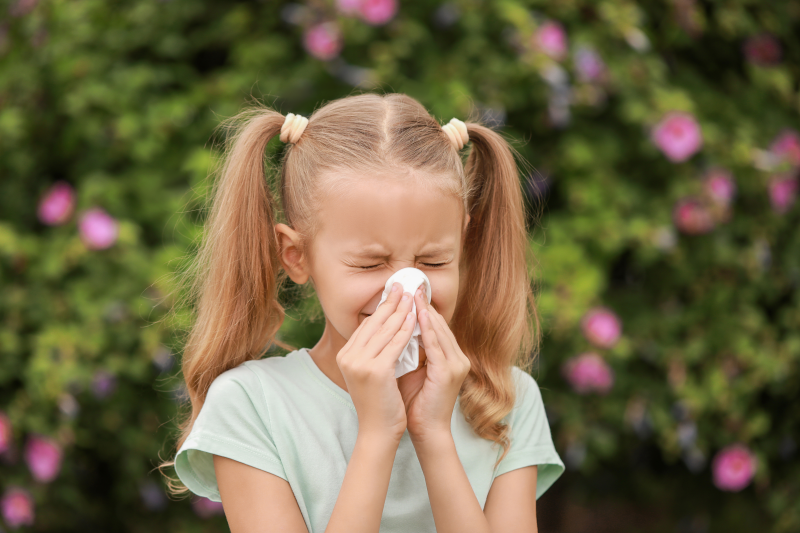


Autumn and winter represent a stress test for our immune system every year. From the perspective of Western medicine, this is related to a higher incidence of viruses and environmental conditions – cold weather and dry air from heating irritate and weaken the mucous membranes of the respiratory tract, which then succumb more easily to viral attacks. Moreover, viruses spread easily in heated rooms, which is why up to three times as many infection agents enter our bodies in winter compared to summer. Current research even suggests that a mere 5 °C drop in nose temperature can reduce the local immune defence of the mucous membranes by up to 50%. It is no wonder that we are more susceptible to respiratory infections in the cold months.
Traditional Chinese Medicine (TCM) has its own perspective on the seasonal increase in illness. It speaks of Wei Qi (defensive Qi), which is the equivalent of our immune defence on the surface of the body. In winter, it becomes weakened – cold and wind enter the body more easily if the defensive Qi is insufficient. Wei Qi is often related to the state of three organs: Kidneys, Lungs and Spleen. According to TCM, frequent illness is a sign of weakened Wei Qi or overall Zheng Qi (general vital energy). Once the defensive Qi is weakened, an external pathogen (Xie Qi) – for example, wind, cold, or conversely dryness or hot toxin – easily attacks the organism. While Western medicine speaks of weakened immunity and viruses, TCM describes the same situation as a weakening of defensive energy and the invasion of an external pathogen. The result, however, is the same: the organism is unable to react adequately to pathogens, leading to frequent infections.
Why does someone have a strong immune system while another is perpetually catching colds? Modern medicine and TCM agree on many of the main causes of a weakened immune system:
Prevention is key. Ideally, we start strengthening the body in the autumn so that winter slush does not catch us off guard. As part of prevention, I combine knowledge from both Western and Chinese medicine: an emphasis on nutrition, medicinal mushrooms, proven TCM herbal recipes and a healthy lifestyle.
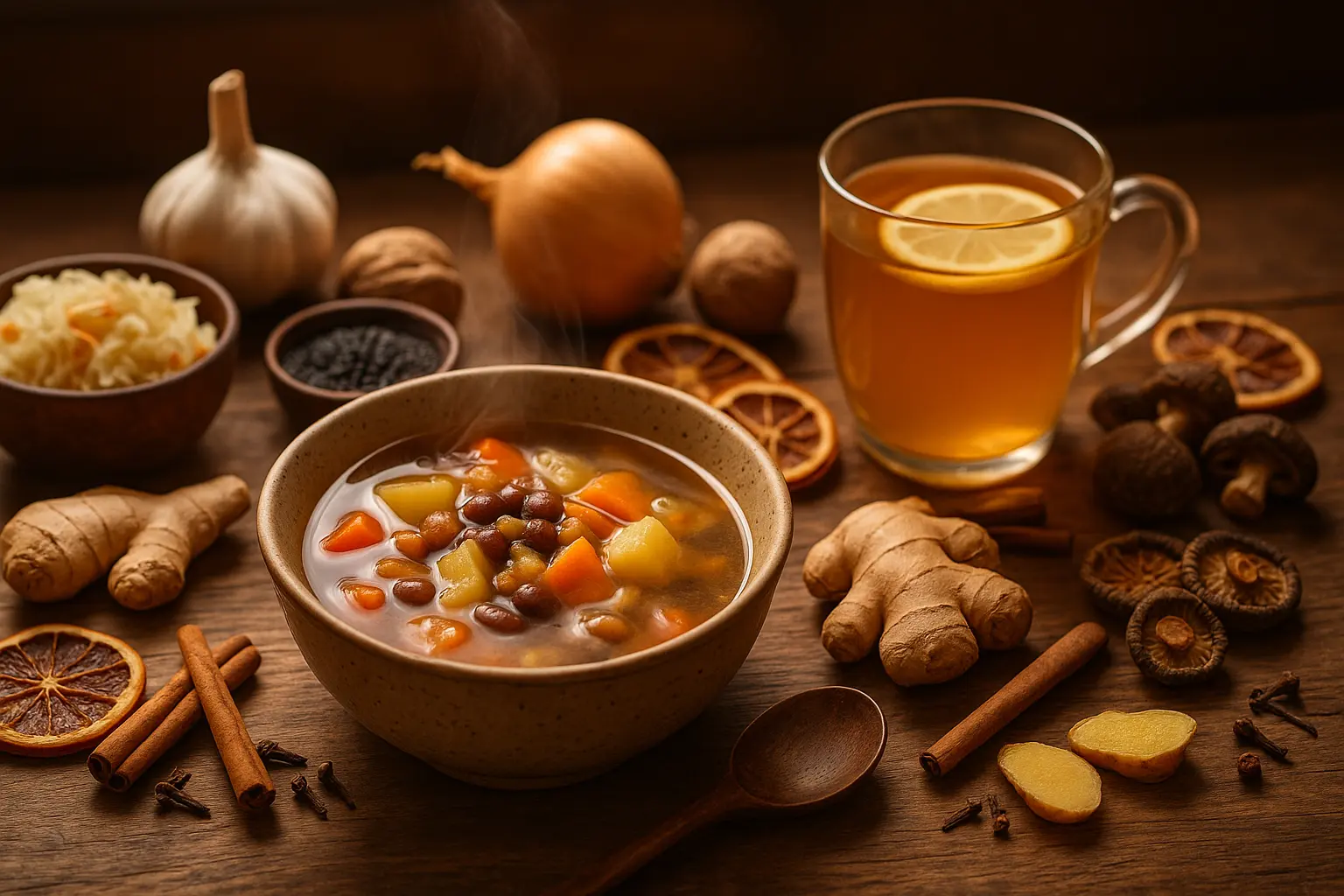
In the colder months, your diet should warm and nourish Qi. I recommend including:
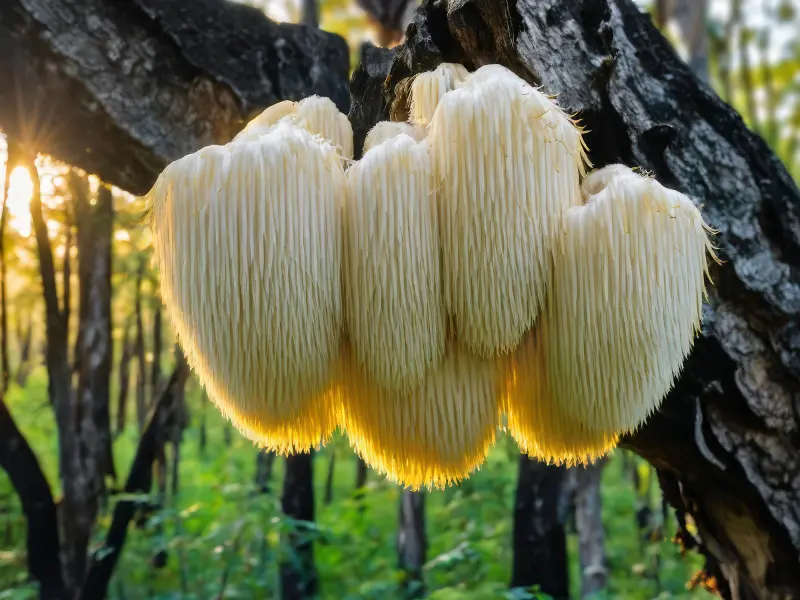
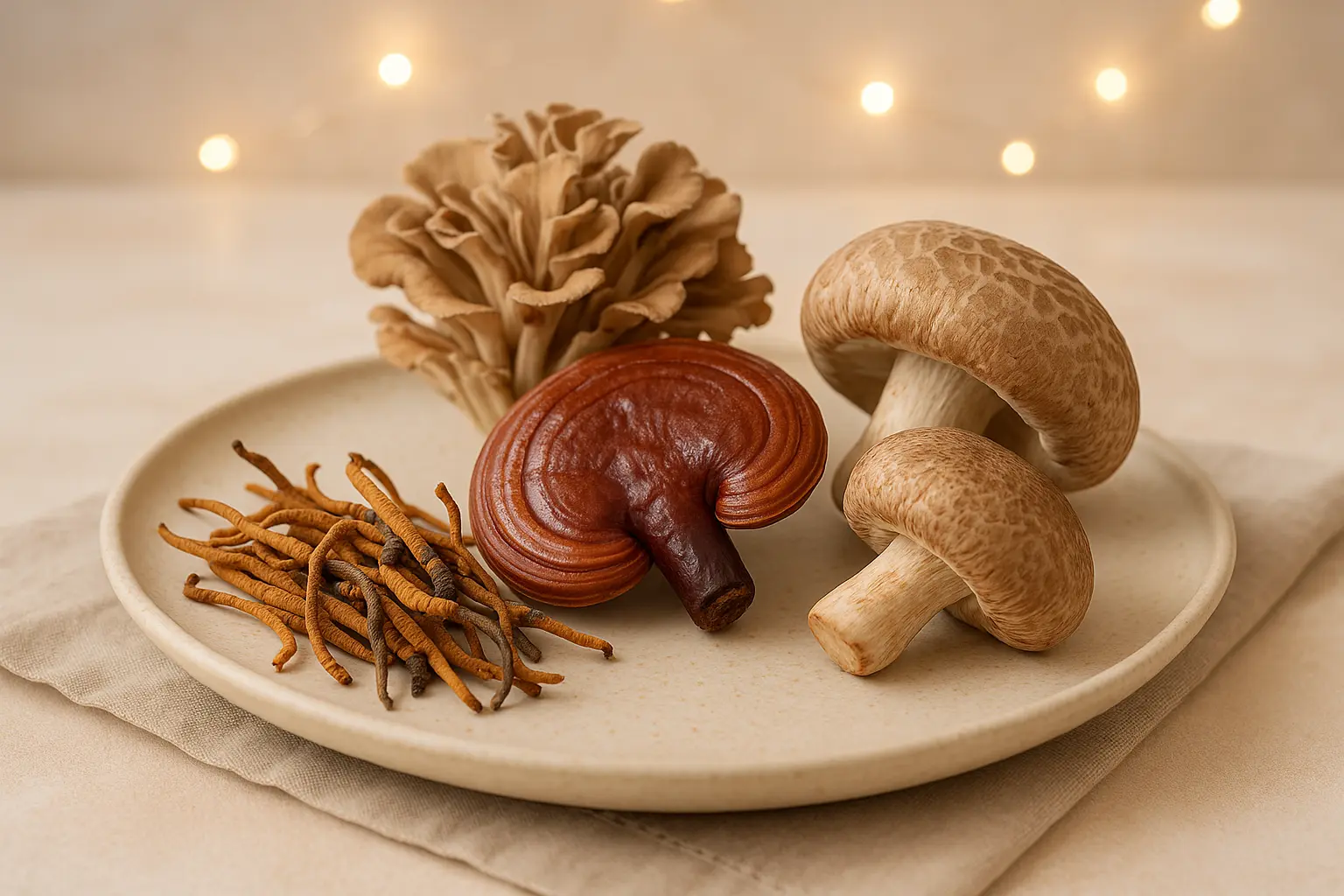
A modern trend that I like to use in practice is strengthening immunity using medicinal mushrooms. These are remedies proven by centuries in Asia and confirmed today by research – they contain beta-glucans and other substances that modulate the immune system. For the autumn–winter period, I recommend a combination of MycoComplex and MyImmunity (from MycoMedica):
Of course, it is also possible to choose an individual combination of medicinal mushrooms, according to the specific condition of the person in question.
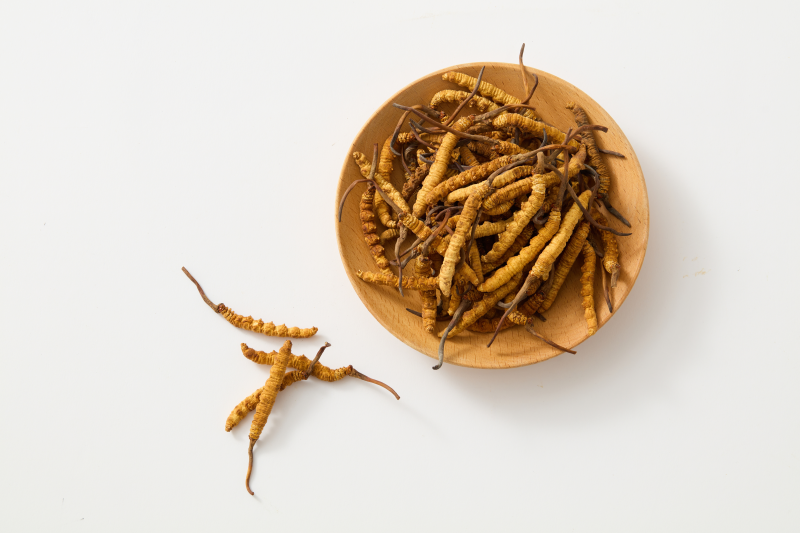
From the perspective of Western science, they contain polysaccharides (mainly BetaGlucan), triterpenes and other substances that mobilise the immune system – they support the production and activity of white blood cells, NK cells and balance the ratio of immune responses (excellent, for example, in cases of a tendency towards allergies). From the perspective of TCM, the mushrooms restore the balance between defensive Qi and nourishing Qi (Reishi excels at this), replenish energy and essence (Cordyceps warms and strengthens the Kidneys) and at the same time directly eliminate pathogens (Coriolus or Agaricus – although Coriolus is not directly in MycoComplex, Agaricus is its strong equivalent). I personally see great results in my patients – people who used to be ill every month are, thanks to the mushrooms, healthy all winter or the course of any potential illness is much milder.
Yu Ping Feng San (095 Defensive Shield)
Among Chinese herbal recipes for preventing winter ailments, I swear by Yu Ping Feng San, known as the “Defensive Shield”. It is a classic blend from the Yuan dynasty, composed of Astragalus (Huang Qi), Atractylodes (Bai Zhu), and Saposhnikovia (Fang Feng). Translated literally, it means “Jade Windscreen Powder” – it is intended to fortify the body like a wall against the wind. It strengthens defensive Qi and stabilises the body's surface, so it is used for people with frequent cold infections, spontaneous sweating, and a generally weak constitution. According to TCM, Huang Qi replenishes Qi and firms the surface, Bai Zhu strengthens the Spleen (the source of Qi) and drains dampness, and Fang Feng expels any potential wind. It is advisable to use this blend preventively throughout the entire high-risk period – ideally in the form of a tincture for several weeks or months. In practice, I often combine it with mushrooms (e.g., MyImmunity contains the herb Huang Qi – Astragalus membranaceus, so it fits perfectly with this approach). However, it should be noted that herbal blends should always be chosen individually – some people may be better suited to Bu Zhong Yi Qi Tang (Awakening Energy) for strengthening Spleen Qi, while others may prefer a combination with adaptogens (Ginseng, liquorice, etc.). Nevertheless, Yu Ping Feng San (Defensive Shield) is a universal recipe for strengthening Wei Qi and preventing illness during viral seasons.
Prevention is not just about what we swallow, but also about how we live. That is why I also emphasise the following measures to my clients:
Following these principles, along with supportive nutrition, mushrooms, and herbs, will significantly increase the chance that you will sail through the winter season in good health or only experience a potential illness very lightly.
Despite all prevention, it can happen that a virus catches up with us after all. The important thing is not to ignore anything and to implement the right measures at the very first symptoms. In my practice, the following has proven effective:
1) Using mushrooms and herbs during an acute infection
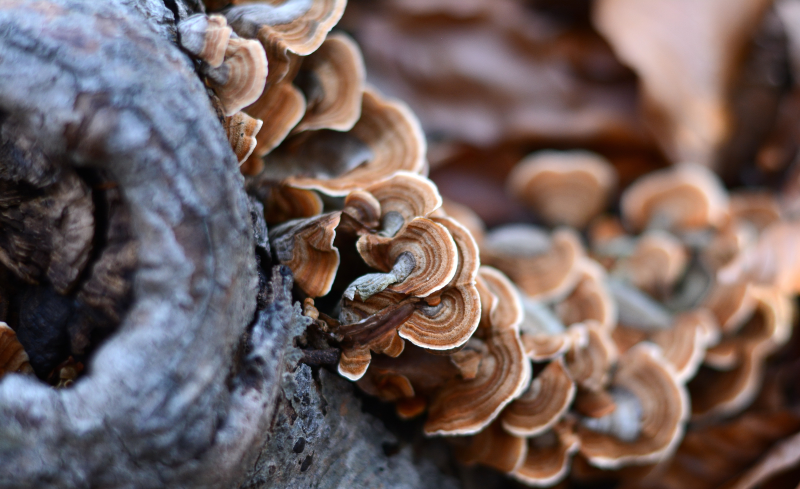
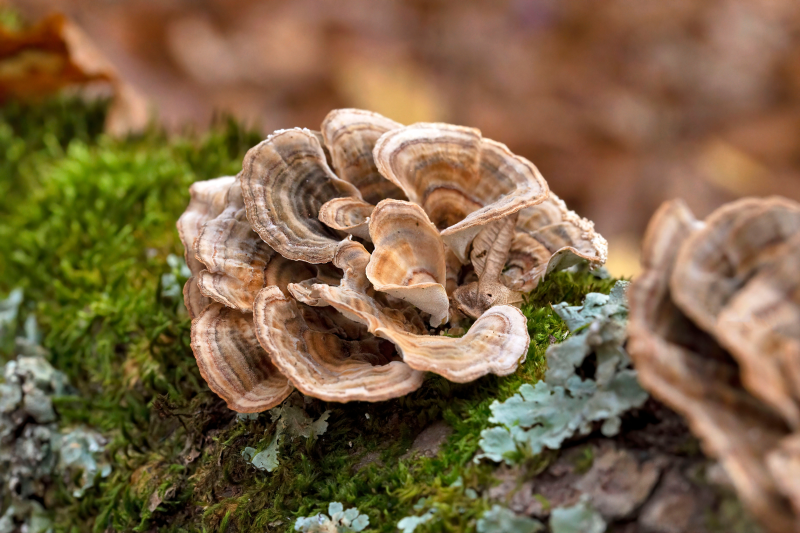
As soon as I feel the first symptoms of a cold or flu, I immediately adjust my use of medicinal mushrooms: I temporarily stop taking all other mushrooms and start taking only Coriolus (Turkey Tail) in a high dose. Coriolus (also known as Yun Zhi or Trametes versicolor or Coriolus versicolor) is unique in that it very strongly stimulates the immune system and fights pathogens directly. For an adult, I dose 2 capsules of extract 5 times a day – it is important to start immediately with the first symptoms, do not wait. We have tested many times that if we catch the infection in the bud, Coriolus can activate immunity so much that the intruder is eliminated and the illness does not develop at all. Even if the illness has already started, we continue to administer Coriolus throughout the acute phase. We do not use other mushrooms (Reishi, Cordyceps, Shiitake, etc.) in the acute phase because they are more nourishing and supplementary agents – they could potentially 'feed' the pathogen rather than fight it. We save those for convalescence. Or for long-term chronic infections. There, they are irreplaceable.
2) Herbal blends according to the type of infection
TCM has a rich arsenal of recipes tailored precisely to different types of acute respiratory infections. Personally, I choose the blend according to the specific symptoms and the nature of the pathogen (whether it is wind-cold, wind-heat, damp-heat, etc.). I will give a few examples of proven blends (I usually use them in the form of tinctures, as alcohol gives them greater dynamics):
There are, of course, many more recipes, and it is best to consult the ideal choice with a practitioner of Chinese medicine. In practice, I also combine herbs and mushrooms for a synergistic effect – for example, I always keep Coriolus with the above-mentioned blends, which supports immunity. We have observed that the combination of Coriolus + a suitable herbal blend can significantly shorten or mitigate the course of the illness. For example: for tonsillitis with fever, I give Pu Ji Xiao Du Yin (White Cocoon) + Coriolus; for a cough with yellow phlegm Mountain Roar + Silver Breath + Coriolus; for a virus with a high fever Bai Hu Tang (Four Greats) + Coriolus, etc. In these combinations, the herbs destroy the pathogen and harmonise the body, while the medicinal mushroom mobilises our soldiers (immune cells).
There are many ways to use herbal recipes for acute infections. If you are unsure how to proceed, it is ideal to visit a practitioner of traditional Chinese medicine or use the Consultation at MycoMedica.cz.
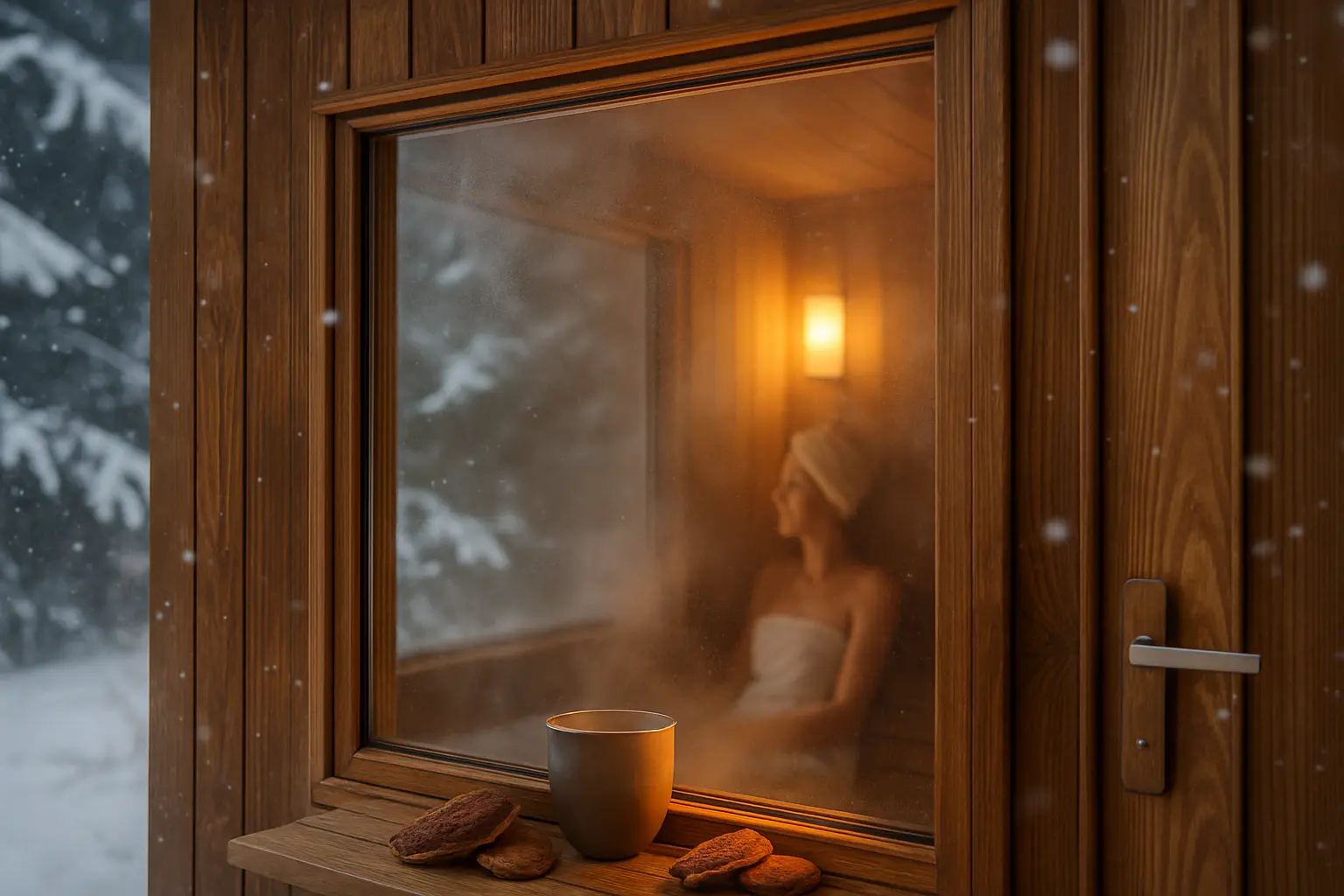
Once an illness has taken hold, the good old rule applies: "Sleep it off". I truly recommend staying at home in bed, resting and drinking plenty of warm fluids (herbal teas, broths). Choose light food – ideally broth, rice or oat porridge, steamed vegetables. Limit fatty and meaty dishes, sweets and dairy products (these increase mucus). During an infection, the body's task is to expel the pathogen; we do not want to burden it with digesting complex meals. It is natural to lose your appetite, that is fine. Fluid and mineral intake is more important.
Western medicine advises reducing a fever above 38 °C with medication, but I prefer a moderate approach here. A fever is a manifestation of the fight between Zheng Qi (Righteous Qi) and Xie Qi (Pathogenic Qi), as TCM says – the body is "heating the cauldron" to burn off the intruder. If the temperature does not exceed 39 °C (in adults) and the patient is not in a high-risk group, I do not recommend suppressing the fever immediately. I prefer to support the body to sweat – wrap yourself in a blanket and sweat it out, drink plenty of lukewarm teas, and let the fever do its work. The body gets rid of pathogens through sweat, breath, urine and stool. Of course, children, seniors, very weakened individuals or those with heart disease or neurological problems are exceptions – caution is appropriate there, as well as potential cooling or medical intervention. But a healthy adult can usually handle a short-term fever and will recover faster than if we artificially suppress it.
Regarding other measures during the acute phase, I emphasise bed rest (no "walking off" the illness!), gargling and nasal irrigation with salt water or herbal decoctions (sage, chamomile) to alleviate symptoms, and potentially throat wraps or pressing acupressure points to clear the nose (e.g., the Yingxiang/LI20 point on the sides of the nostrils). Essential oils can also help (eucalyptus, peppermint – a few drops in a bowl of hot water for inhalation if the nose is blocked). The main thing is to give the body time and energy to fight and not burden it with unnecessary things.
Once the acute phase subsides, the often underestimated part follows – convalescence. In TCM, it is said that after fighting a pathogen, Zheng Qi is weakened and needs to be replenished. Practically, this means that even if we no longer have a fever or acute symptoms, we should still rest for a few days, eat well, and potentially use tonifying agents so that the body returns to balance.
The return of vital mushrooms:
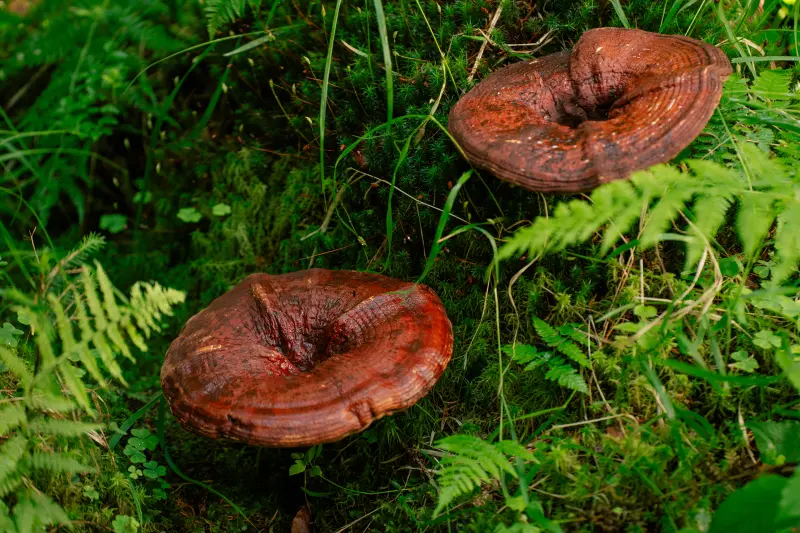
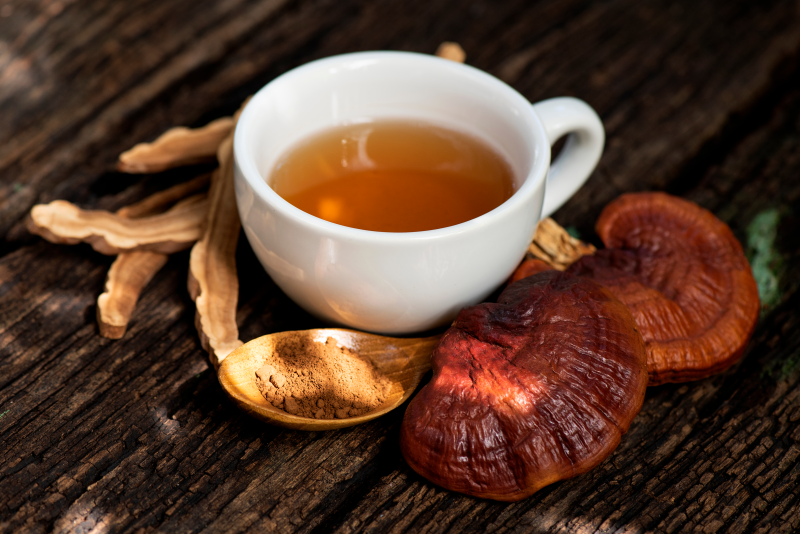
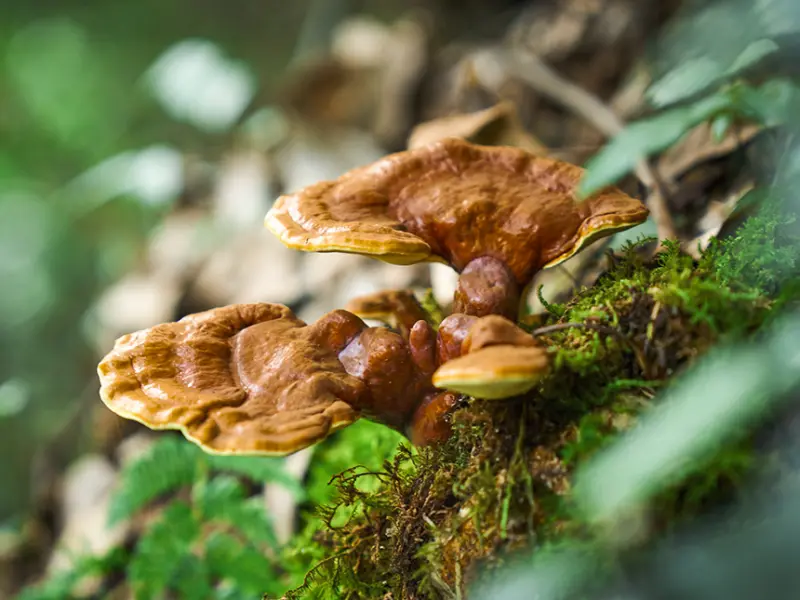
During convalescence, nourishing mushrooms come back onto the scene – especially Reishi, Cordyceps and Shiitake. I recommend these three mushrooms (depending on the individual patient's condition) as soon as the acute symptoms subside. Reishi (Ganoderma lucidum, Reishi) replenishes Zheng Qi and harmonises immunity, while also calming the spirit – thus helping to restore the balance of body and mind after an illness. Cordyceps strengthens Kidney Yang and the Lungs, providing vitality and warmth to an exhausted organism. Shiitake supports the Spleen and replenishes Qi, which is important after a period when a person may have been eating less. Together, these mushrooms quickly replenish exhausted strength and shorten the time when a person feels "weak as a kitten" after an illness. They can be taken either individually (e.g., Reishi extract in the evening, Cordyceps in the morning, Shiitake at noon) or by using complex mixtures such as the aforementioned MycoComplex or MycoBalance. The doses are generally lower to medium (e.g., 2-4 capsules daily of each mushroom), because the goal is nourishment, not combat.
Herbal follow-up treatment:
From herbs in this phase, I often prescribe mixtures that expel the remnants of the pathogen and strengthen the body. I have already mentioned Xiao Chai Hu Tang (Opening the Door) above – it is excellent if, after an illness, there is a lingering feeling that the illness keeps returning or is not fully cured. It "opens the door" to a semi-hidden pathogen while strengthening the centre of the body. We can easily prescribe it for 1–2 weeks after the illness. Another option is, for example, Shen Ling Bai Zhu San (Sea of Ears), which strengthens Spleen Qi and dries out residual dampness in people who suffer from diarrhoea or weak digestion after an illness. It is important not to jump straight back into full activity – the body continues to regenerate for a week or two even after symptoms have disappeared. Use this time to provide it with what it needs: quality food, sleep, herbs and mushrooms for strengthening. Your reward will be that the illness does not return and you may even achieve better fitness than before.
To conclude this section, I cannot omit acupuncture. From the position of a TCM therapist, I know that acupuncture can play a significant role both in the prevention and treatment of winter illnesses. Preventively, acupuncture can be used to strengthen the Lung, Kidney and Spleen meridians – there are points whose regular stimulation increases immunity (e.g. point Zusanli ST36 for overall strengthening of Qi and defence, or Hegu LI4 for circulating Wei Qi on the surface, etc.). During an acute illness, acupuncture helps to relieve symptoms: points for releasing the exterior and expelling wind alleviate a blocked nose and headaches, points for clearing the nasal sinuses relieve a runny nose, and points for strengthening the Lungs soothe a cough. Furthermore, acupuncture can also support the patient's psyche – calming the Shen spirit – so that the body can cope with the illness more easily. Moxibustion (warming with a mugwort stick) of points such as CV4, CV6 or ST36 helps to replenish Yang and expel cold. During convalescence, acupuncture then harmonises the organism so that it returns to balance. This method is an excellent supportive therapy – of course, it does not replace treatment, but it can accelerate it and strengthen the effect of other procedures.
Prevention of winter infections
To conclude, I will summarise the ten most important principles that I urge my patients to follow for immunity in winter:
Following this “decalogue” and the recommendations above should help you spend the winter months in health and well-being. As a TCM therapist, I see that combining ancient wisdom (mushrooms, herbs, acupuncture) with modern lifestyle and knowledge (vitamins, hygiene) brings the best results. I wish all readers robust health – may winter viruses and ailments pass you by!

Subscribe to our newsletter and you won't miss any promotions or important information