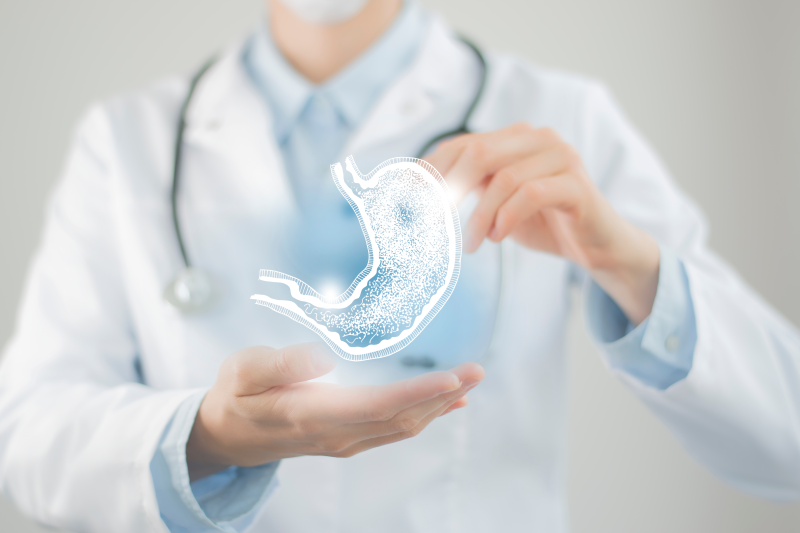



Cancer is not just one disease, but several different illnesses with a similar principle: a portion of cells gets out of control, begins to divide excessively, and gradually modifies the environment to suit its needs. Standing against this is the immune system. In an ideal scenario, it recognises and eliminates unusual cells. However, tumours are capable of weakening immunity and 'distracting' its attention. Standard oncological treatment (surgery, chemotherapy, radiotherapy, targeted drugs, immunotherapy) is the foundation that saves lives. Often, however, it leaves the organism weakened and the immune system exhausted. And that is why it makes sense to think about reasonable adjuvant support (adjuvant = supportive).
Surgery removes tumour tissue, chemotherapy and radiotherapy destroy rapidly dividing cells, targeted drugs interfere with specific defects in tumour cells, and immunotherapy releases the brakes on the immune system. Together, these form a treatment plan designed to suppress or completely eliminate the tumour. Alongside the therapeutic effect comes a burden - fatigue and exhaustion, a poorer blood count, hair loss, digestive problems, increased susceptibility to infections, etc. Adjuvant support makes sense if it improves the cooperation of immune cells and facilitates the tolerance of treatment without interfering with its effect.
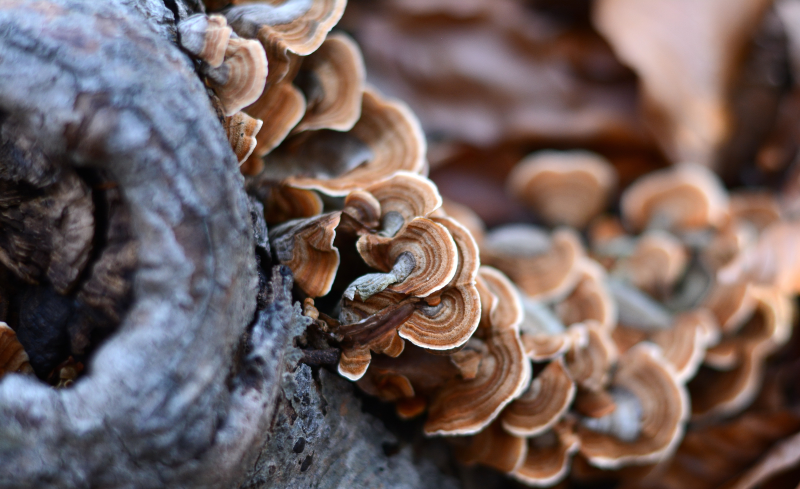
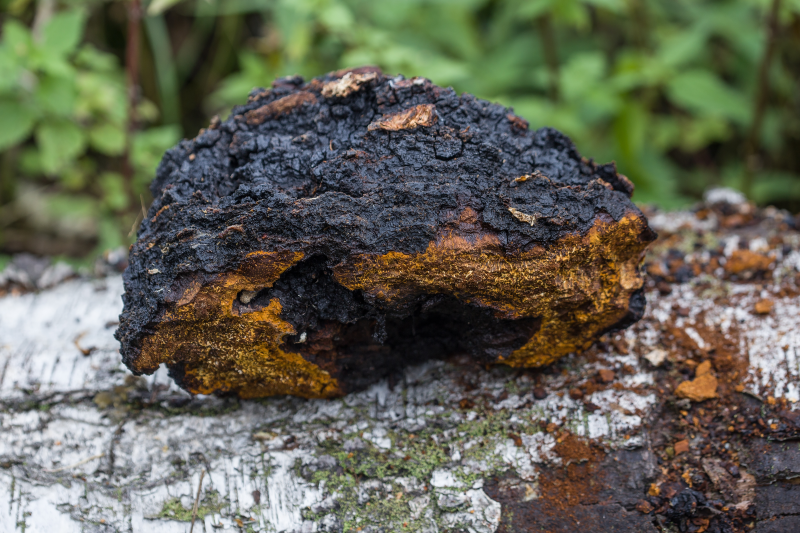
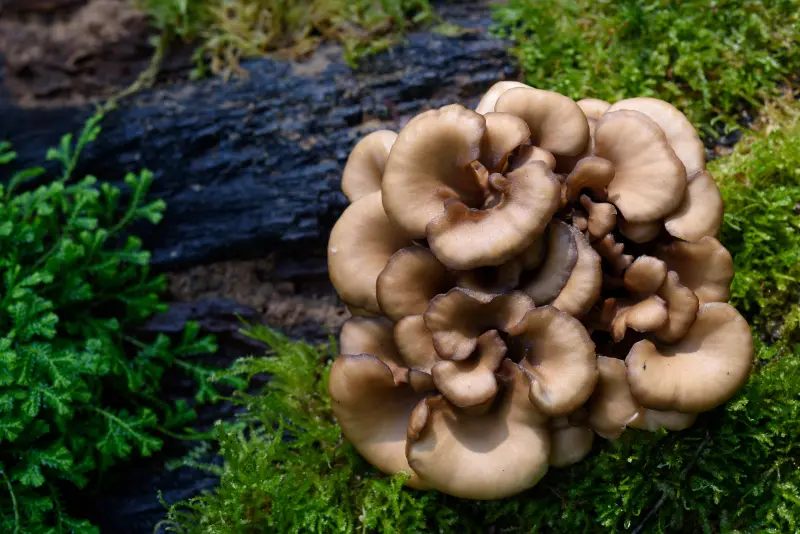
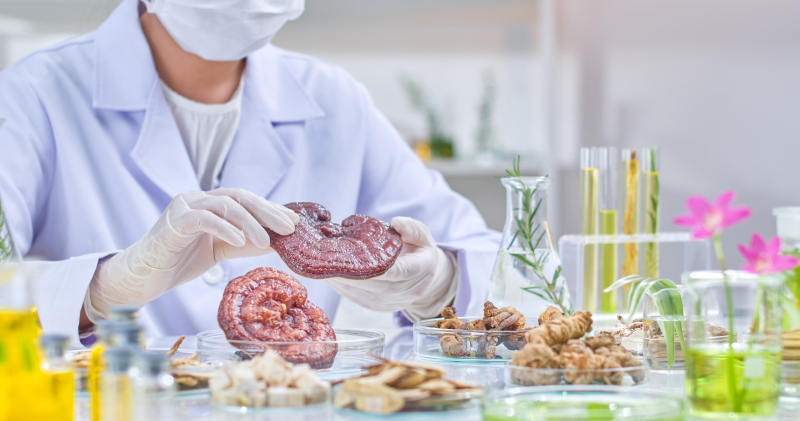
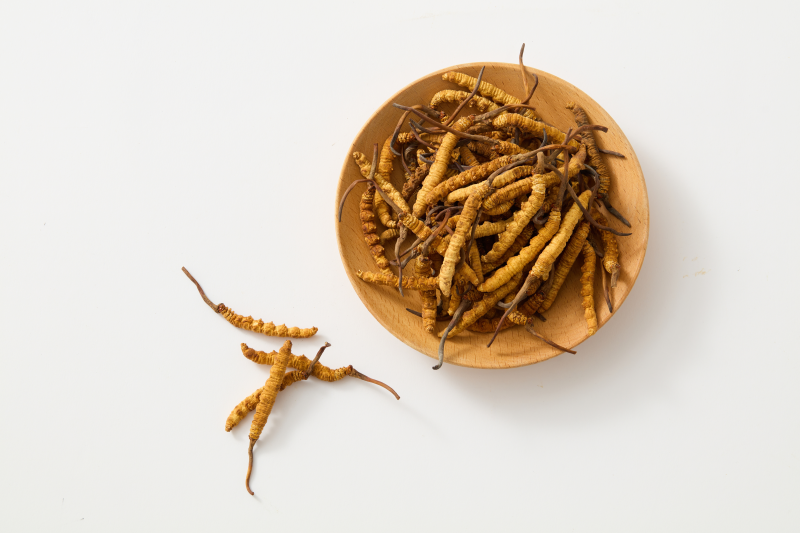
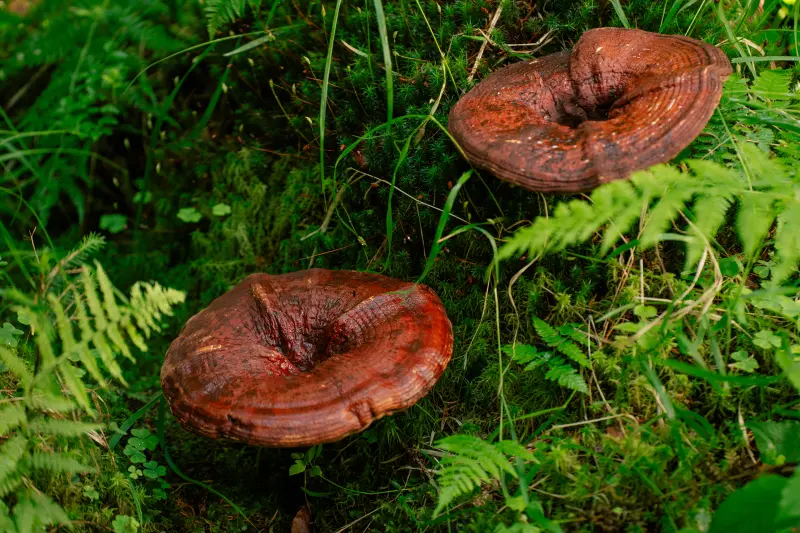
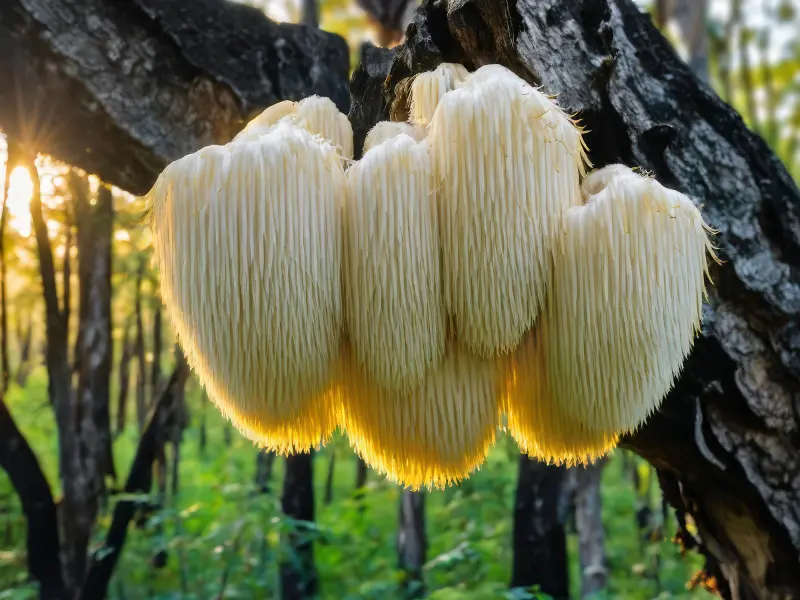
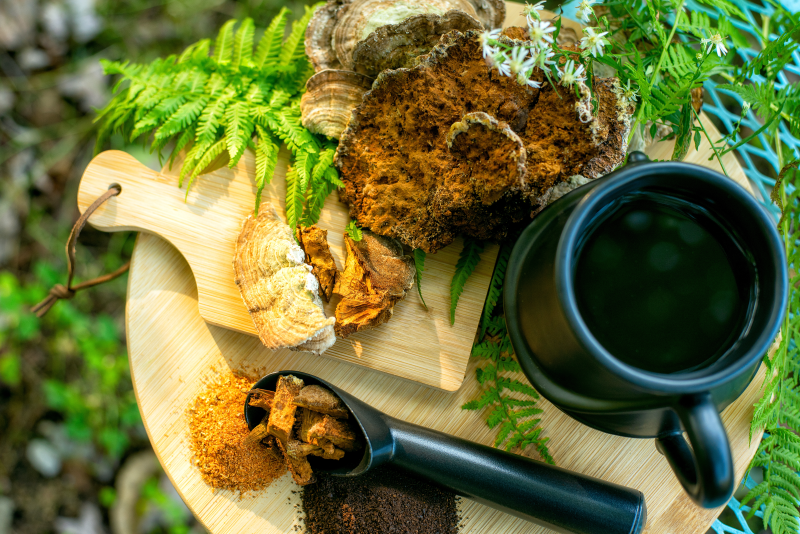
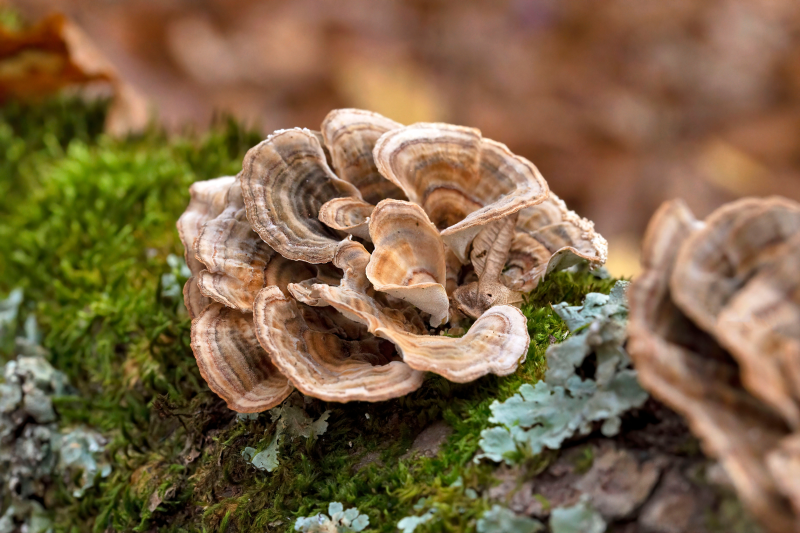
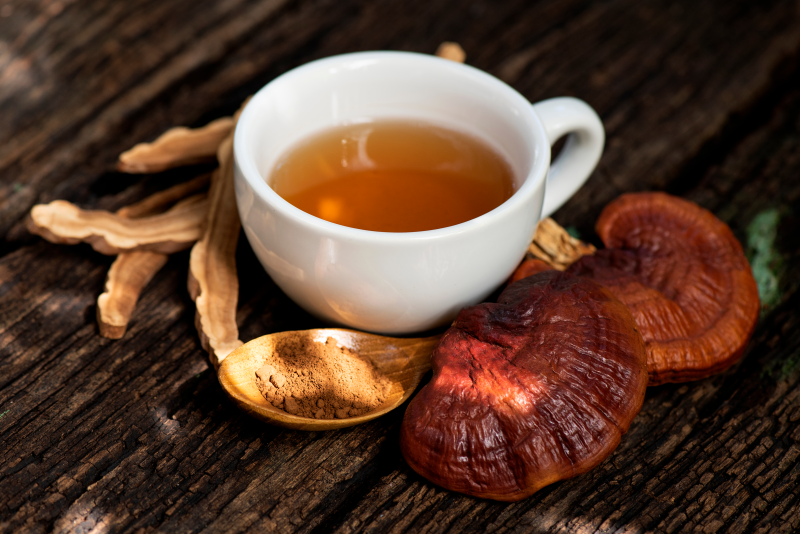
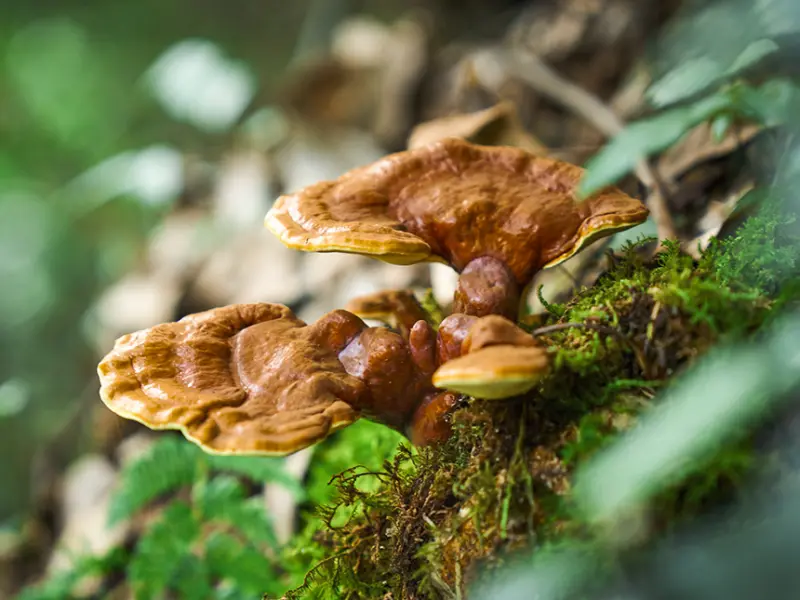
Mushroom β-glucans (beta-glucans) are specific polysaccharides naturally present in the cell walls of vital mushrooms such as Coriolus, Reishi, Maitake, Chaga, etc. Studies show that they have significant immunomodulatory and anti-tumour potential.
Mushroom beta-glucans differ significantly from common ones, such as those from oat flakes, yeast or barley, in their structure and effect. The "common" ones act mainly in the digestive tract - they bind cholesterol, improve digestion and help with blood sugar levels. In contrast, mushroom β-glucans have a different spatial linkage (so-called 1,3/1,6-β-D-glucans), which allows them direct contact with immune cells. They do not just work in the gut, but activate both innate and adaptive immunity - primarily macrophages, dendritic cells, NK cells and T-lymphocytes. Thanks to this "branched" structure, they act as signalling molecules that tune the immune system into balance: they increase its alertness without overloading it. This is why mushroom β-glucans are used in adjuvant oncological treatment, while cereal ones remain more of a metabolic supplement.
Although yeast β-glucans also have a 1,3/1,6-β-D-glucan type structure, meaning they can activate macrophages and NK cells, they are isolated from a single source and lack the complex of other bioactive substances that occur naturally in mushrooms – for example, triterpenes, phenols or polysaccharide-peptides (PSK, PSP). These substances increase the effect of β-glucans and also help to regulate adaptive immunity, inflammation and tissue regeneration.
Simply put:
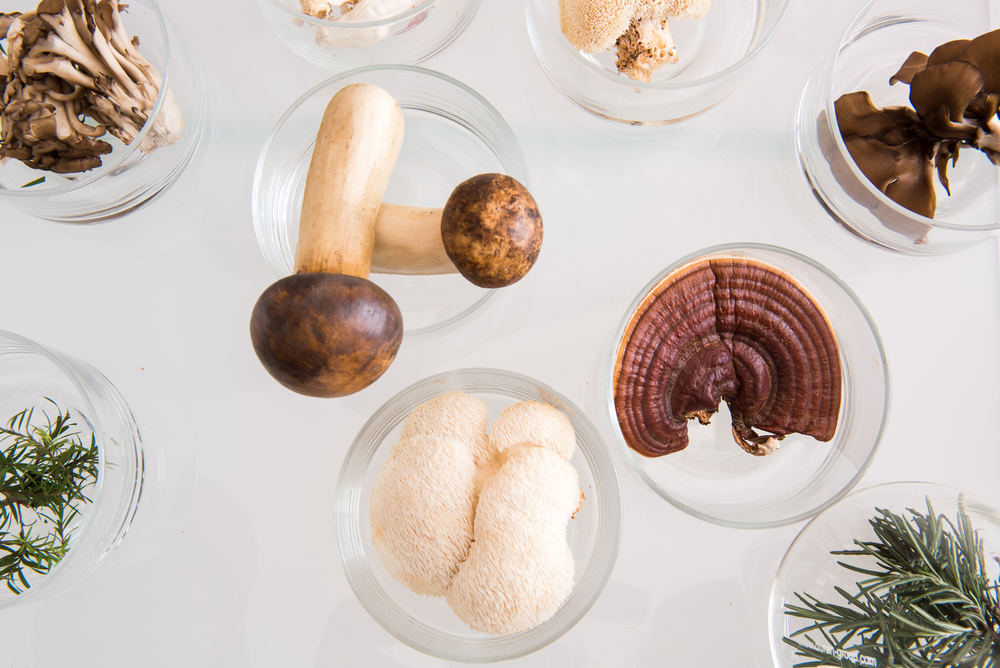
BetaGlucans from medicinal mushrooms are natural polysaccharides that act as "teachers" of the immune system. They are not classic vitamins or stimulants; they do not increase immunity on their own, but they help it to respond better to what is needed. After ingestion, BetaGlucans pass almost undigested through the digestive tract to the small and large intestine, where they are captured by so-called Peyer's patches - clusters of immune cells in the intestinal wall. There, they are recognised by macrophages and dendritic cells, which "read" the β-glucans and pass the information on to the entire immune system. They thus activate NK cells, T-lymphocytes and macrophages, which then distinguish more accurately between healthy and tumour cells and destroy them more effectively. In other words: β-glucans help the immune system to work smartly, not chaotically, strengthening the defence against tumours while simultaneously suppressing unnecessary inflammation. This is why they are used in modern oncology as an adjuvant, i.e. supportive, part of treatment.
What does this mean in practice? β-glucans do not trigger immunity recklessly, but improve the readiness and coordination of innate and acquired immunity. They help macrophages to "clean up" damaged cells, help dendritic cells to better pass information to T-lymphocytes, and support the activity of NK cells. This is the main, clinically most important mechanism for which medicinal mushrooms have their place alongside standard oncology.
In modern scientific studies, other effects are also described in mushrooms: support for programmed cell death of tumour cells (apoptosis), restriction of new blood vessel formation in the tumour (anti-angiogenesis), or influencing the inflammatory environment around the tumour. In practice, however, the best-documented effect is precisely the immunomodulatory action and better tolerance of certain regimens when mushroom preparations are combined with standard treatment. In this respect, it is reasonable to use them.
It is always necessary to perceive mushrooms as a whole, as they contain not only BetaGlucan, but also other bioactive substances - triterpenes (typically Reishi), phenolic compounds, sterols, ergothioneine, etc. Together, these influence inflammation, oxidative stress, vascular growth and metabolic pathways. That is why a high-quality extract from a mushroom fruiting body (which is ideally processed by double extraction – with water and alcohol) has a different profile of effects than a mere isolate of "some" glucan.
Generally yes, mushroom extracts with BetaGlucan are usually well tolerated. Occasionally, patients with weakened digestion report mild digestive issues. It is advisable to inform your oncologist about exactly what you are taking (name, manufacturer, dosage).
Increased caution is advised after a transplant, during strong immunosuppression, and in cases of active autoimmune diseases, where an individual consultation is always necessary.
There is also no evidence that mushroom β-glucans interfere with the effect of chemotherapy - their mechanism is different from that of antioxidants.
On the contrary, current data suggest that mushroom β-glucans (esp. Coriolus/Reishi) can be safely taken concurrently with chemo-/radiotherapy, and that they do not reduce the efficacy of conventional treatment; instead, they often alleviate side effects (fatigue, myelosuppression, mucositis) and may improve survival in some diagnoses.
A Czech review in Klinická onkologie summarises clinical studies and meta-analyses, stating that extracts from Coriolus and Reishi are established as safe adjuvant therapy in many countries; in Japan, PSK from the Coriolus mushroom has been an official part of oncological treatment for decades. The same conclusion is stated by PDQ/NCI and meta-analyses of PSK (combination with chemotherapy was associated with better survival). You can also find a practical overview for patients at CestaZelvy.cz.
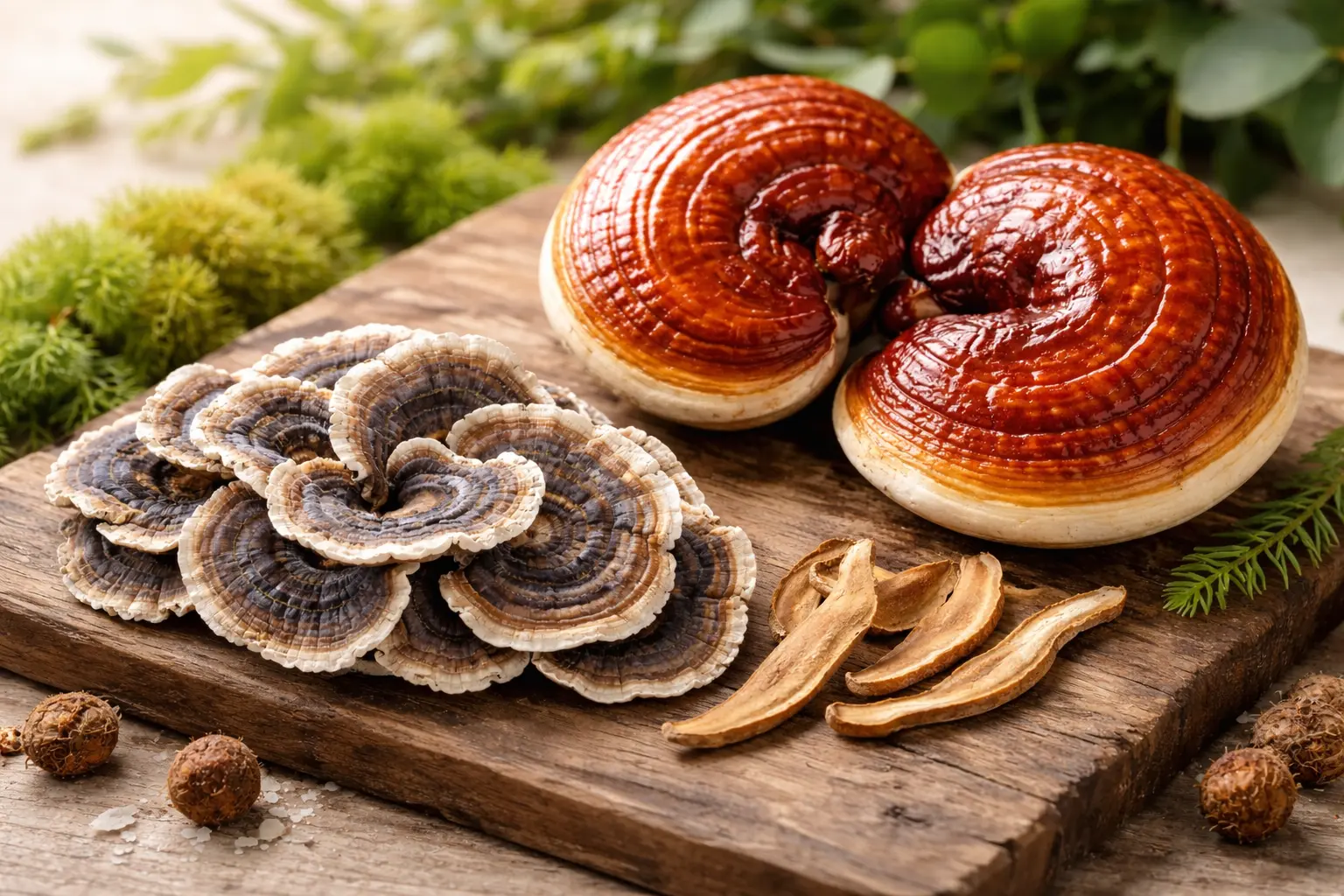
Mushroom BetaGlucan are adjuvants - a supplement to standard treatment, not an alternative. They are meaningful in the long term during treatment and after oncological treatment with the aim of improving the cooperation of immune cells and the tolerance of therapy. It is realistic to expect a gradual but stable improvement – not a quick change from one day to the next. If you are undergoing immunotherapy, chemotherapy or radiotherapy, discuss the timing and the specific product with your team. Communication is the basis for safe use.
Mushroom β-glucans are not a "miracle substitute" for oncology. However, they make rational sense as an accompaniment, because they help the immune system to work in a more coordinated way and, thanks to them, some patients tolerate treatment better. In oncology, details and discipline are decisive: a high-quality standardised product, a clear plan with a doctor, and patience. This is a combination that can bring extra percentages, and those are often what decide the outcome.
Author: Milan Schirlo, TCM therapist

Subscribe to our newsletter and you won't miss any promotions or important information