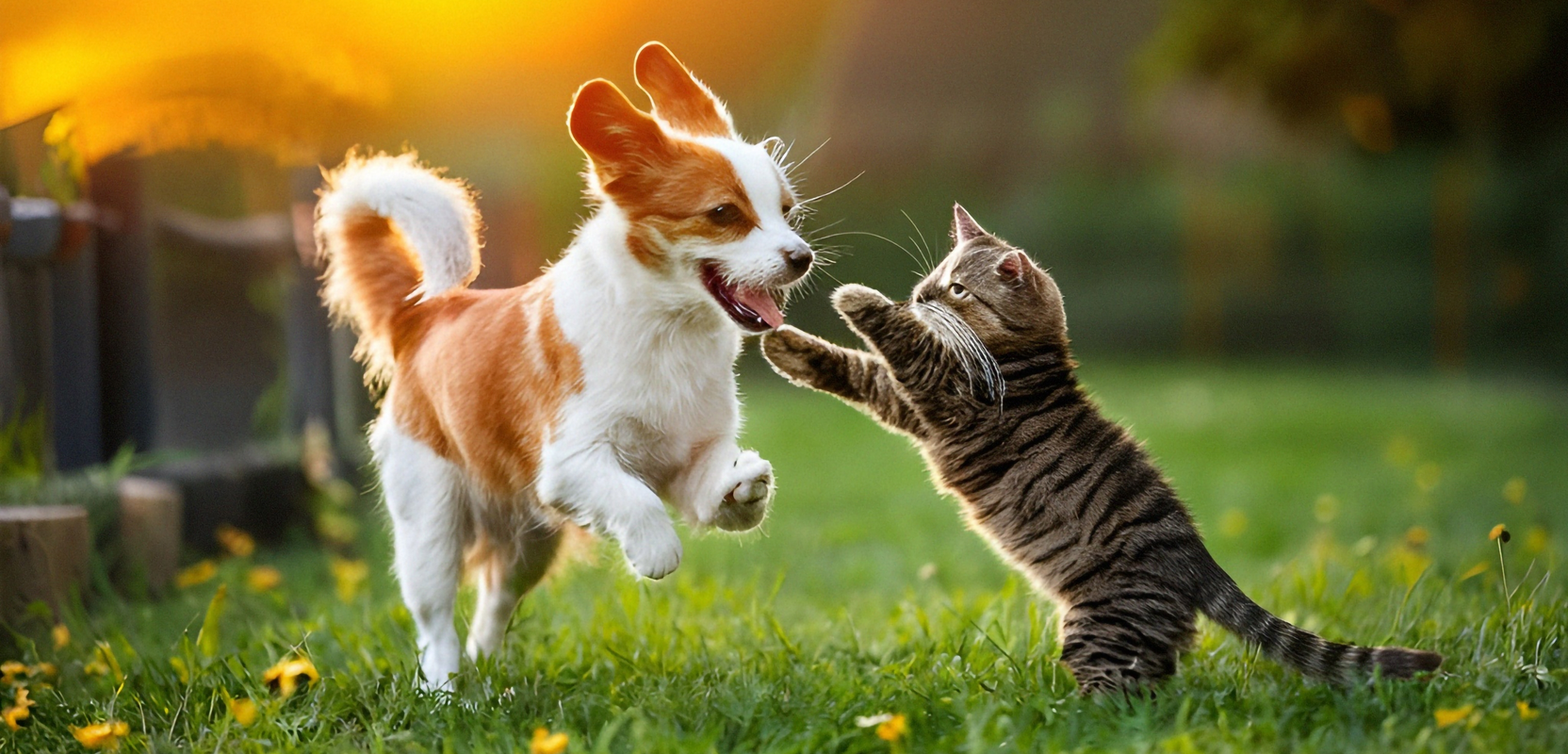



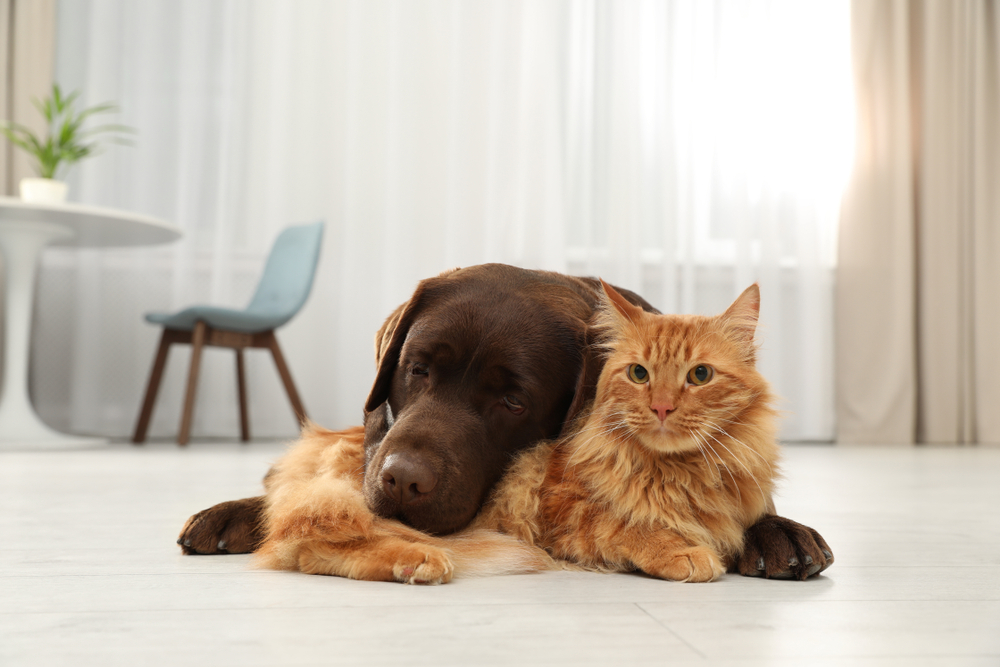
You might be surprised to learn that in my practice, I address not only the health problems of my patients, but for several years now, also the ailments of their pets - dogs, cats, rabbits, as well as horses and sheep. That is why I decided to write this article, which will introduce you to medicinal mushrooms from the perspective of the animal world and their health. Because you are surely asking yourself now whether mushrooms could help your dog or cat too?
Vital mushrooms are a very special group of fungi. Unlike common mushrooms that we collect in the forest these days, they contain an increased amount of certain active substances that have a beneficial effect on human health. They are traditionally used for the treatment and prevention of many human diseases.
They have this ability thanks to a high content of specific bioactive substances, such as mushroom beta-glucans, triterpenes, sterols, vitamins, etc. In general, vital mushrooms are attributed with the ability to contribute to a properly functioning immune system, they have anti-cancer effects, generally act as anti-inflammatories and harmonise metabolism. Some of them can also have a positive effect on human psyche. Their ability to increase adaptive capacities is also very important, i.e. the ability to adapt to ever-changing external conditions, which can cause significant stress load in humans. And this stress is often a contributing cause of many diseases. In today's fast-paced times, this ability comes in handy – for every one of us.
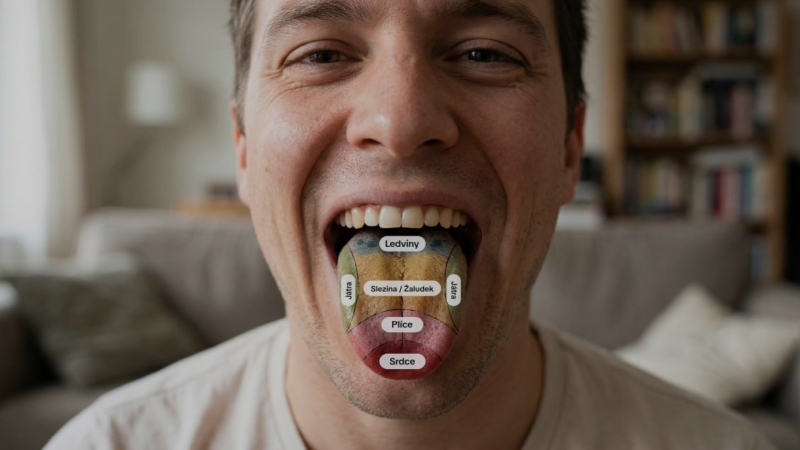
The internal organs of animals are very similar to those of humans. There are certain specifics, but in principle, the animal organism functions in the same way as the human one. From the perspective of Chinese medicine, animal organisms also function similarly to human ones. Just like humans, animals have a network of acupuncture meridians through which Qi energy flows. This is utilised by some specialised veterinarians who treat animals with acupuncture. And it works just as it does in humans. In practice, I see that animals respond to medicinal mushrooms, as well as other herbal remedies of Chinese medicine, just like humans.
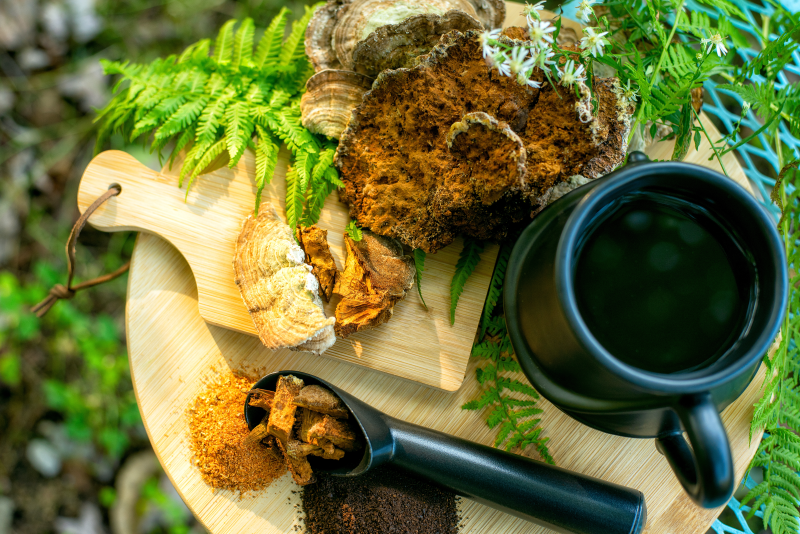
If we decide to treat our pet with vital mushrooms, you should not use the mushrooms in a raw state. The digestive system of most animals is not adapted to digest raw mushrooms. The mushrooms must be processed first. It is ideal to use the mushrooms in the form of hot water extracts. Extraction increases the availability of active substances, digestibility, and also their concentration.
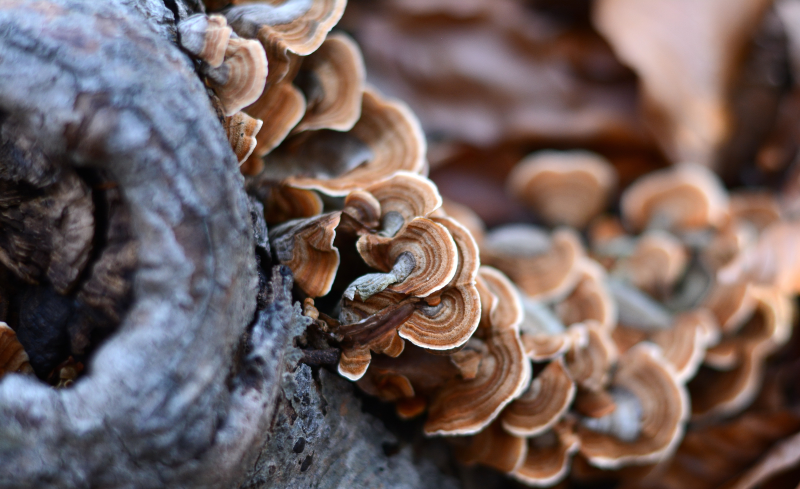
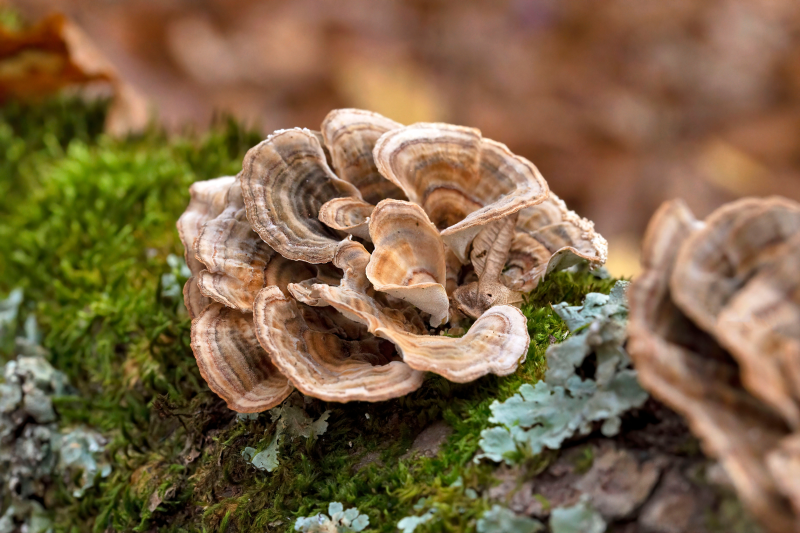
Most mushrooms have significant anti-tumour effects. Perhaps the most frequently used mushroom for tumours is the Coriolus (Turkey Tail) mushroom, which has a significant cytostatic and cytotoxic effect on cancer cells.
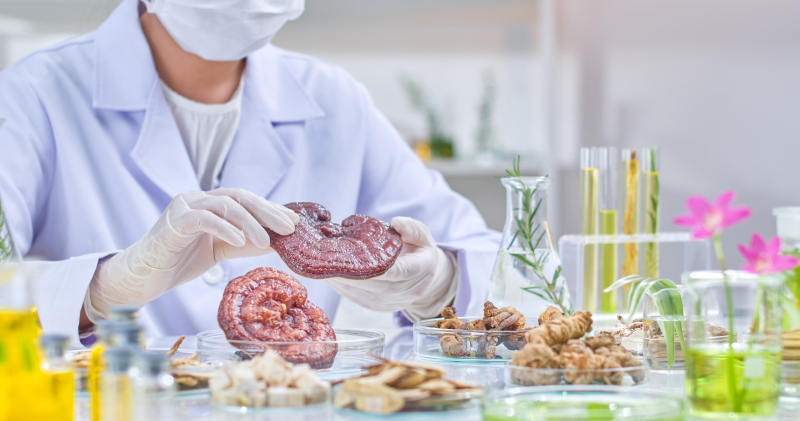
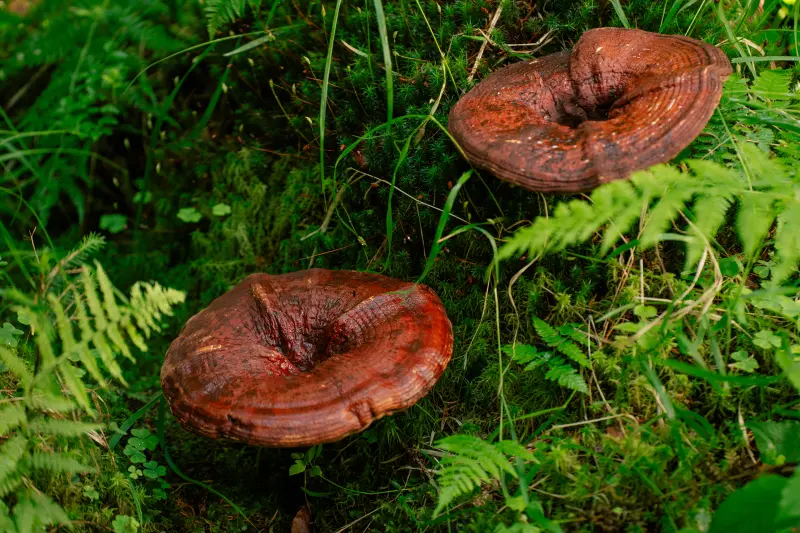
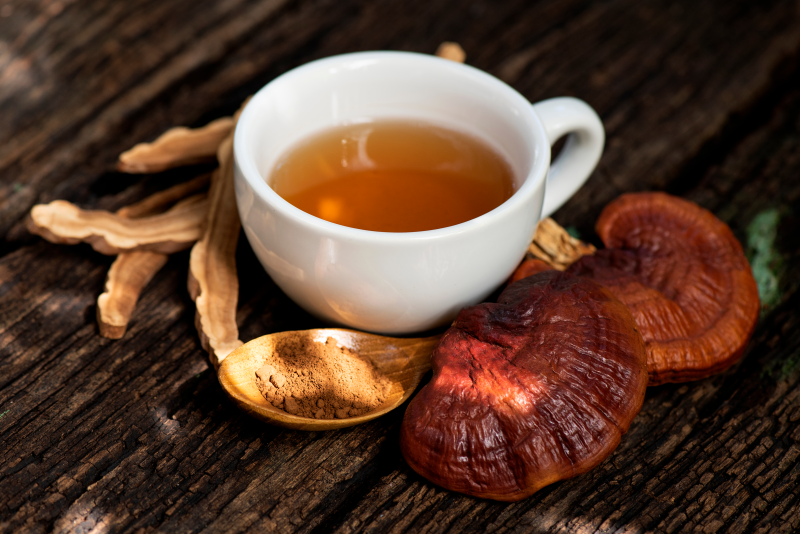
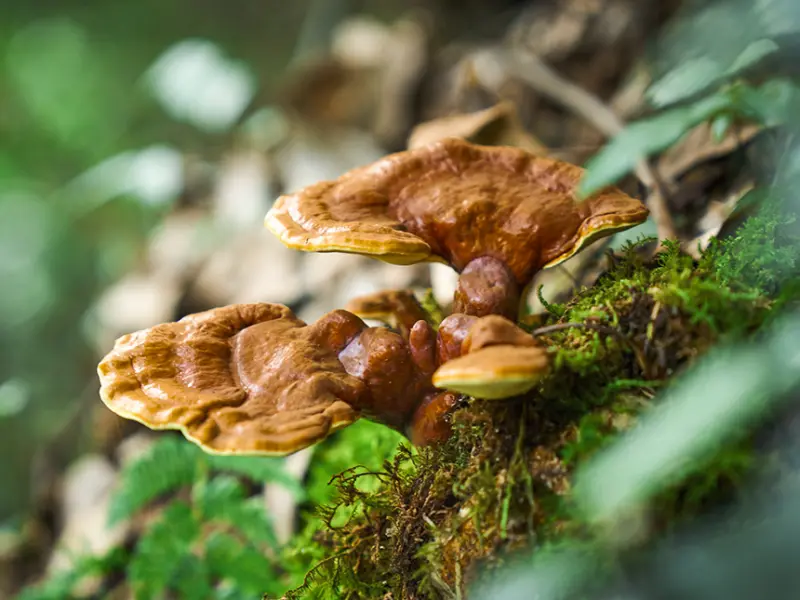
The Reishi (Reishi) mushroom is highly vitalising. It is therefore used not only for tumours but also for the overall strengthening of the organism's vitality. It also excellently cleanses the liver.
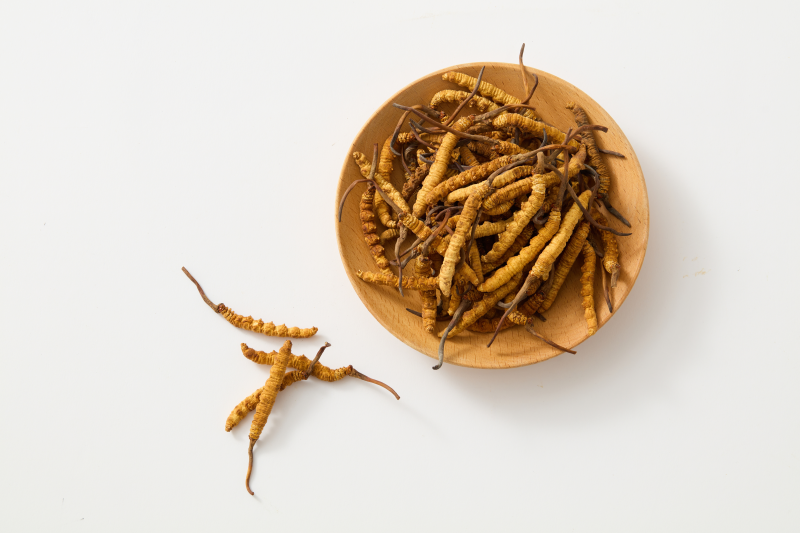
Cordyceps (Cordyceps) is a significant energy booster. From the perspective of Chinese medicine, it strengthens the kidneys and lungs.
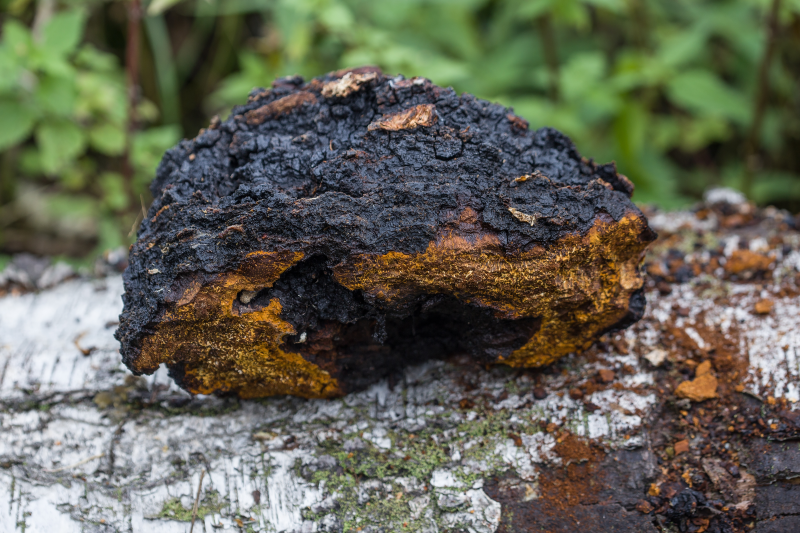
Another mushroom is Chaga (Chaga), which is significantly anti-inflammatory, like most other mushrooms, and cleanses the digestive system.
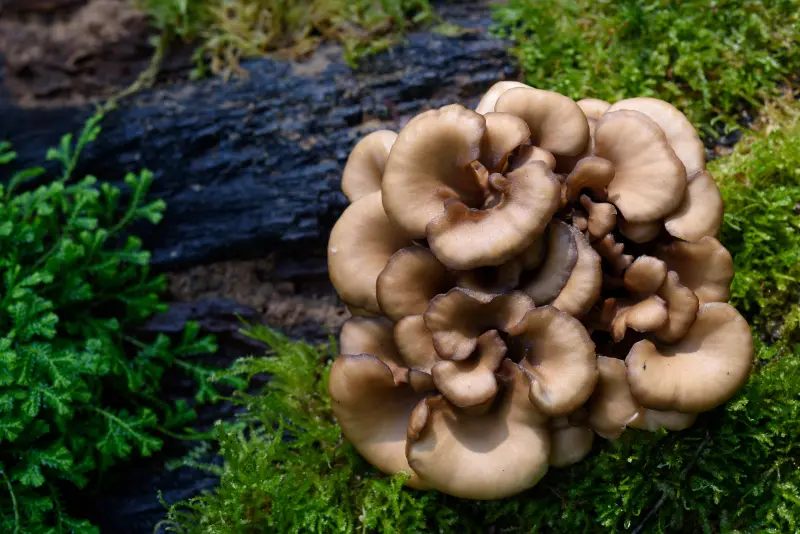
We use Maitake (Hen-of-the-Woods) to strengthen bones and for the overall harmonisation of metabolism. Its imbalance can manifest as diabetes, overweight, high blood pressure or high cholesterol.
The vital mushroom Shiitake (Shiitake) is excellent not only on the plate but also as a weapon against viruses. It stimulates the immune system of animals and harmonises their digestion.
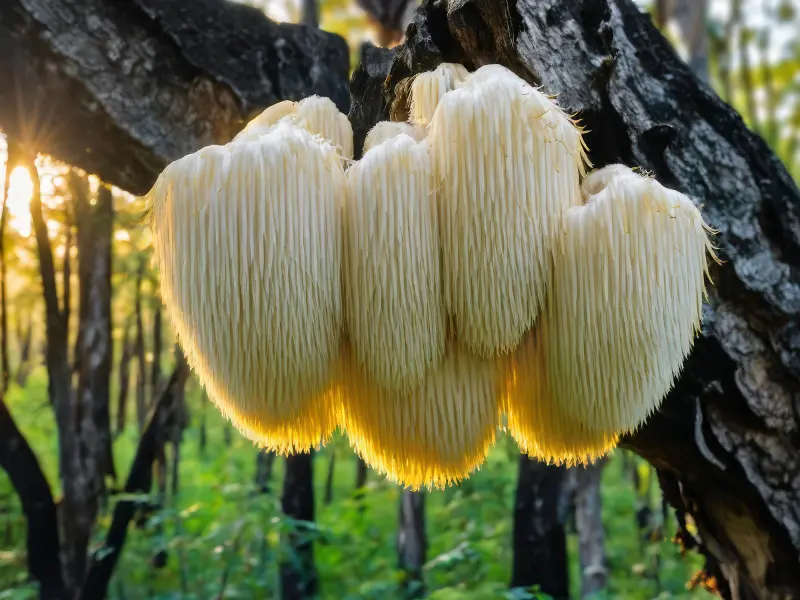
I must not forget Hericium, which has a beneficial effect on digestion, is anti-inflammatory and is able to regenerate nerve connections, so it is used for various neurological problems.
I am newly using the Poria cocos (Poria cocos) mushroom, which strengthens the spleen and drains dampness from the organism, and the Phellinus (Black hoof mushrooms) mushroom, which, in addition to stimulating our pet's immune system, can cleanse the so-called damp heat from the organism, which we would call chronic inflammation.
If you use extracts from vital mushrooms (in my opinion, those containing 30% polysaccharides are optimal, no more, no less), I generally recommend giving 0.5g (500 mg) of mushroom extract per day per 10 kg of animal body weight:
| Animal weight | mg of extract/day |
| 5 kg | 250 mg |
| 10 kg | 500 mg |
| 20 kg | 1000 mg |
| 40 kg | 2000 mg |
This is more of a preventative or mild therapeutic dosage. In the case of health problems, it is appropriate to increase the doses, even two- to threefold.
Sometimes it is not easy to get mushrooms into animals. For humans, it is better to take mushrooms on an empty stomach to make the most of the effect of the active substances. However, for animals, it works best to administer them with a treat.
If you are dealing with problems related to the immune system (even secondarily, which is almost always the case), I recommend taking the mushrooms 5 days a week and taking a 2-day break. This leads to a more significant stimulation of the animal's immune system and makes the use more effective.
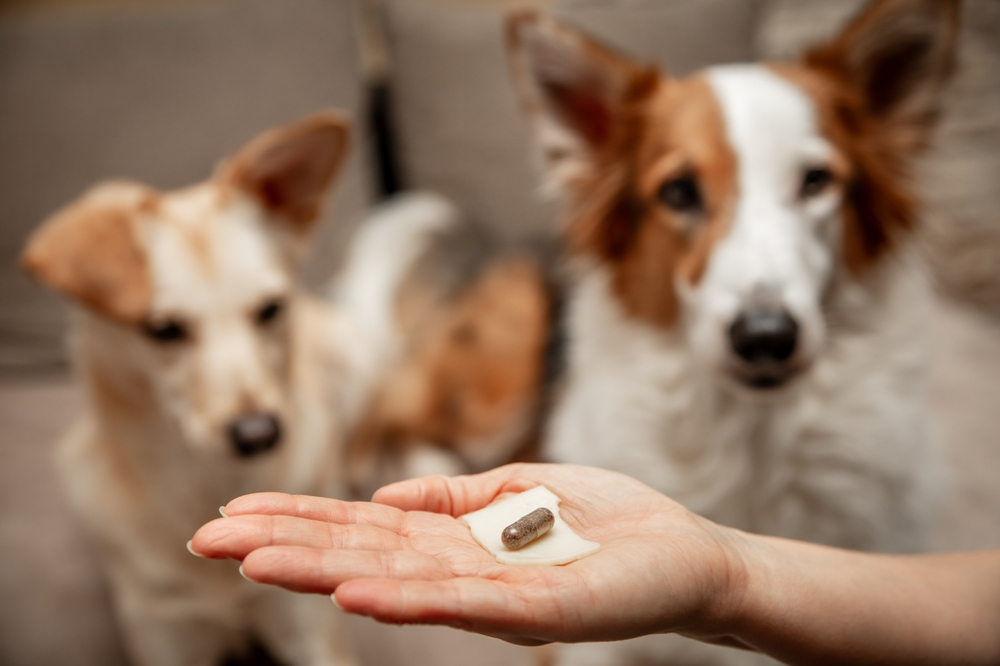
Generally, no. A great advantage of mushrooms is that their use is not accompanied by undesirable side effects, which we see very often with chemical drugs. However, it is important to buy mushrooms from reputable manufacturers who test their products for harmful substances such as heavy metals, pesticides, or radioactivity. You probably know yourself that mushrooms easily absorb various pollutants. Therefore, the quality of the mushrooms is important so that the organism heals rather than becoming even more clogged.
If your pet has health problems, it is certainly good to visit a veterinarian first. Vital mushrooms can work as an excellent supplement to conventional treatment. They are even given in such complex conditions as oncological diseases. Concurrently, for example, with chemotherapy. They support the treatment and reduce the negative impact of chemical drugs.
Of course, it is appropriate to prevent diseases. A smart owner therefore gives their pets vital mushrooms preventively as well. If the animal does not have any serious problems, it is appropriate to do two two-month courses during the year. Ideally during climatically changing conditions, such as the beginning of autumn and the beginning of spring. These periods are more demanding for the organism.

Subscribe to our newsletter and you won't miss any promotions or important information