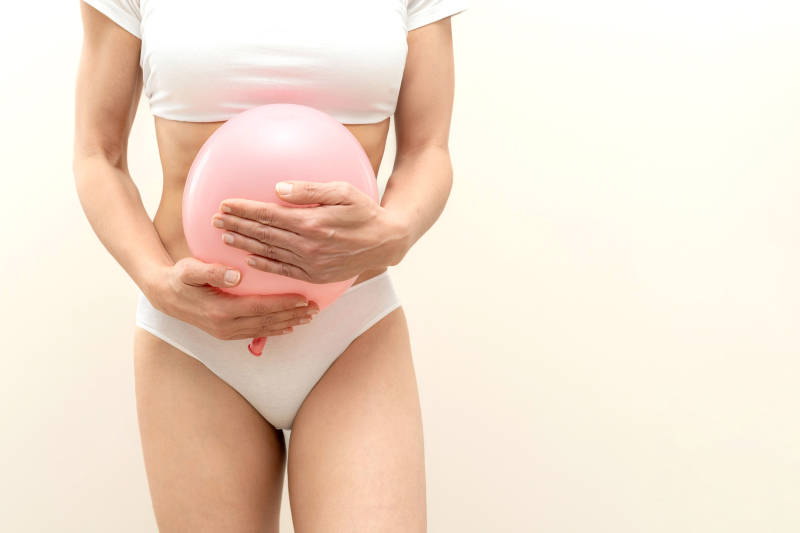



Many women are notoriously familiar with yeast infections of the genital organs and urinary tract. Typical symptoms include a white, curd-like discharge, itching, redness, and burning (though not all symptoms necessarily manifest). It can occur concurrently with cystitis and may even cause menstrual disorders. It is reported that up to 75% of women will experience a genital yeast infection during their lifetime. The infection can also affect men, often after sexual intercourse with a woman suffering from the infection. However, men have a different genital "setup", which is why they do not suffer from yeast infections as often as women. In men, it manifests as red spots and a white coating on the glans, accompanied by itching and burning.
Apart from the urogenital tract, yeast can also overgrow in other areas. Very often in the mouth, where you can recognise it by a thick white coating. On the skin or in the digestive system. In these cases, it is so-called systemic candidiasis, where yeast affects entire systemic systems. If we had an extremely weakened immune system, yeast could even reach other organs and cause pneumonia, swollen lymph nodes, inflammation of the brain or heart, and many other problems.
Yeast also thrives in people weakened by chronic illness or conventional treatment. Very often, the infection is triggered after taking antibiotics or after chemotherapy. In the first case, there is a significant cooling of the organism and the destruction of "good bacteria" that keep yeast in optimal amounts; in the second case, there is a significant weakening of the immune system, which protects us from the overgrowth of various pathogens, including yeast.
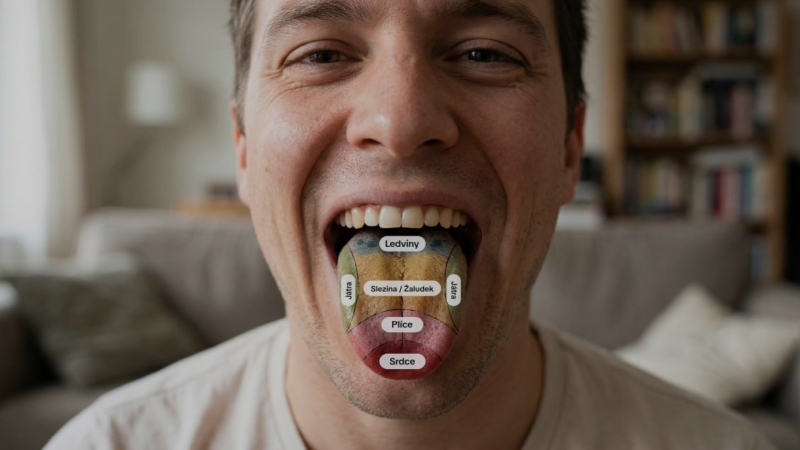
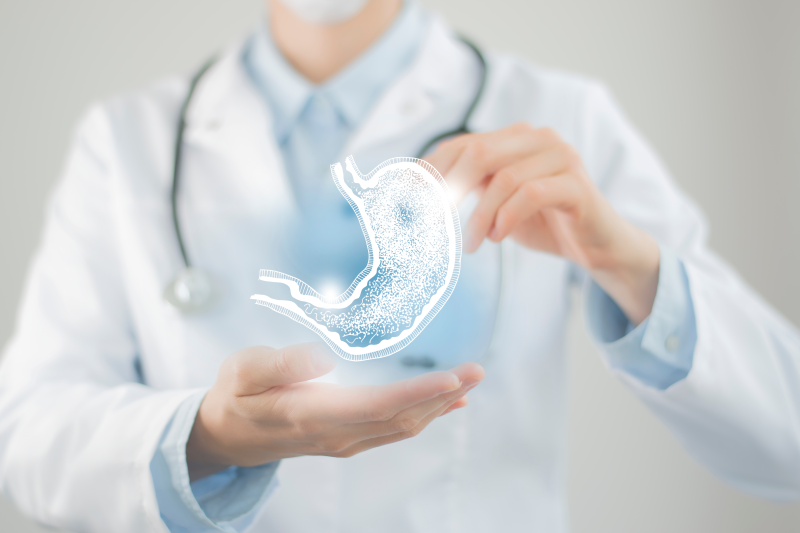
Chinese medicine divides the world into five systems, five elements. These are: wood, fire, earth, metal and water. And it divides our organism in the same way. Each element in our body is governed by one organ. We will focus on the earth element and its governing organ, the Spleen. In the concept of Chinese medicine, the Spleen is an entire system that we can simply describe as digestion. It is responsible for the creation of Qi energy and blood, which are a kind of fuel for our organism. A part of the Qi energy is transformed into so-called Wei Qi, or defensive Qi, which is responsible for our immunity. It protects us against the invasion of external pathogens and at the same time controls those that live within us so that they do not overmultiply. And that includes the aforementioned yeast. Along with the Spleen, the Lung and Kidney systems also cooperate on these defence mechanisms, however, the Spleen is the system where it all begins.
However, there is one more aspect that connects overmultiplied yeast with the Spleen. A weakened Spleen system produces so-called excessive dampness in the organism - we could even call it "pathological dampness". This generally manifests as gynaecological discharge, phlegm or (perhaps surprisingly) being overweight, and is literally a breeding ground for microorganisms, including yeast. Or perhaps especially yeast.
If we want to tame overgrowing yeast and get it back to a level natural for our body, we must first strengthen our defensive energy, Wei Qi. We can do this in several ways. By using herbal blends or vital mushrooms.
In my practice, I use several herbal formulas. One of them is Su He Tang. This herbal blend is used for so-called hidden pathogens, which essentially include yeast. The herbs contained in the blend "vent" the hidden pathogen from the inner layers of the body to the surface, where our defensive Wei Qi can deal with it more effectively.
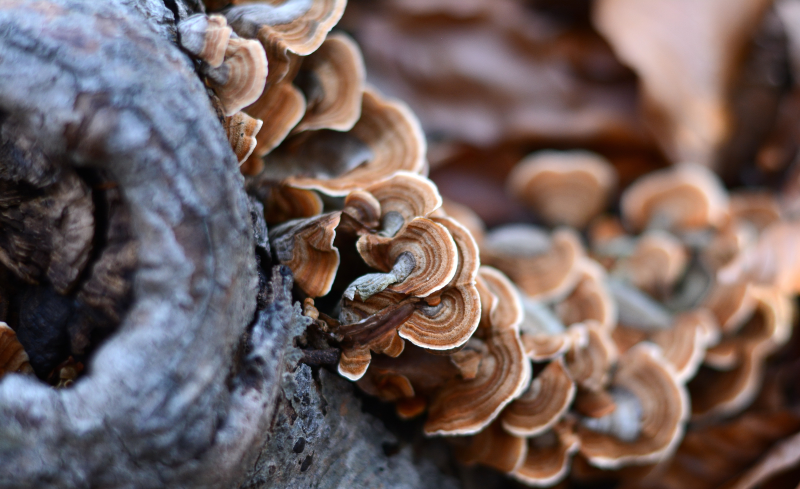
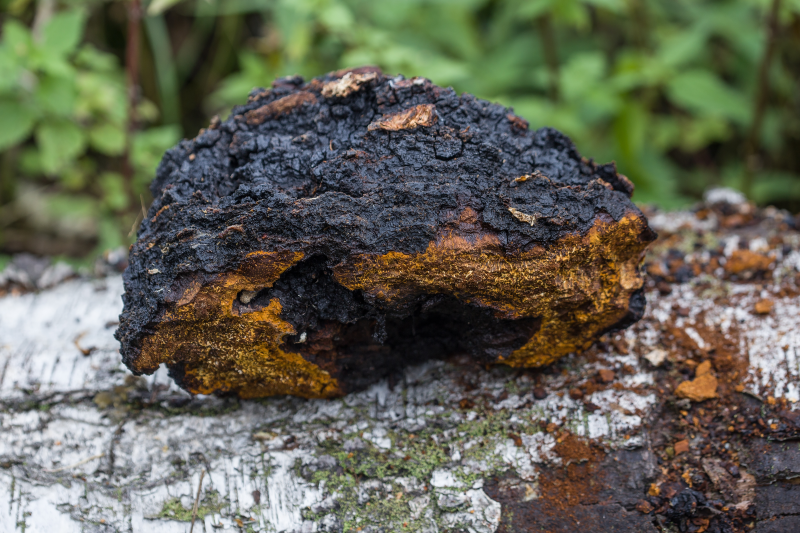
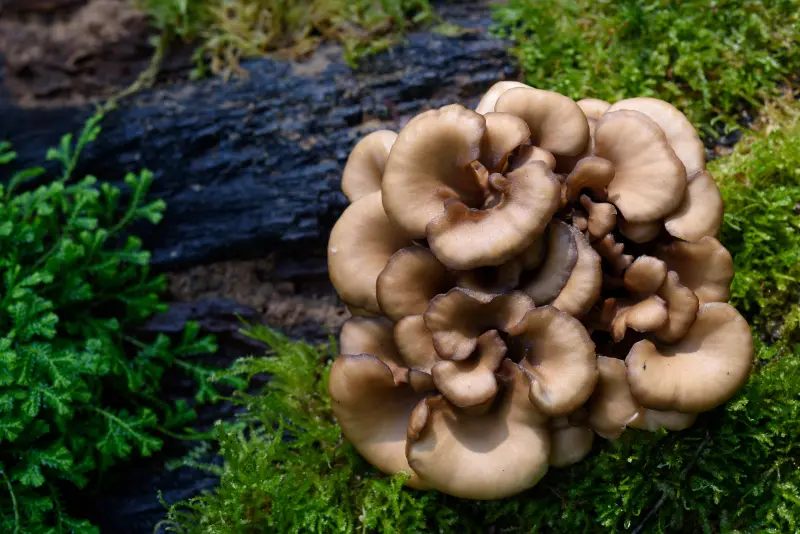
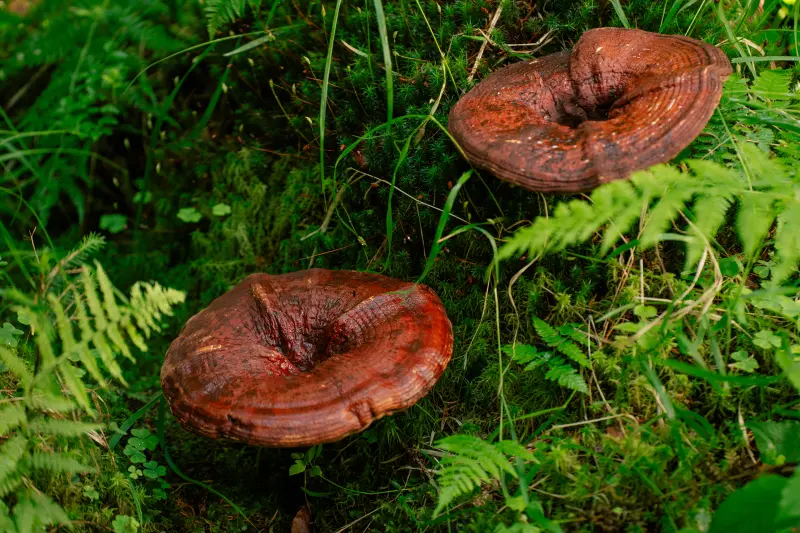
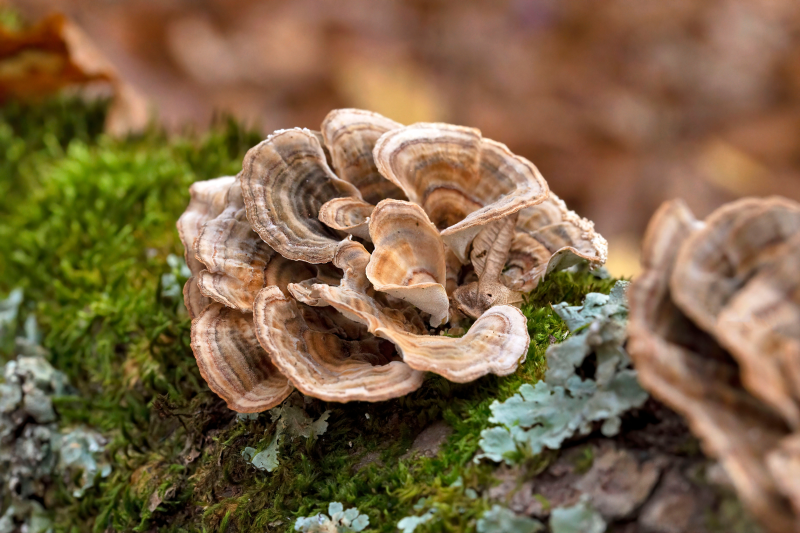
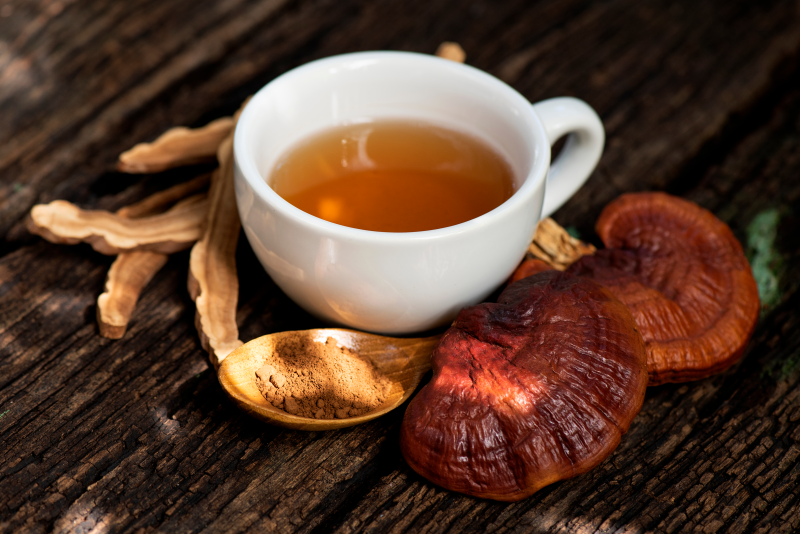
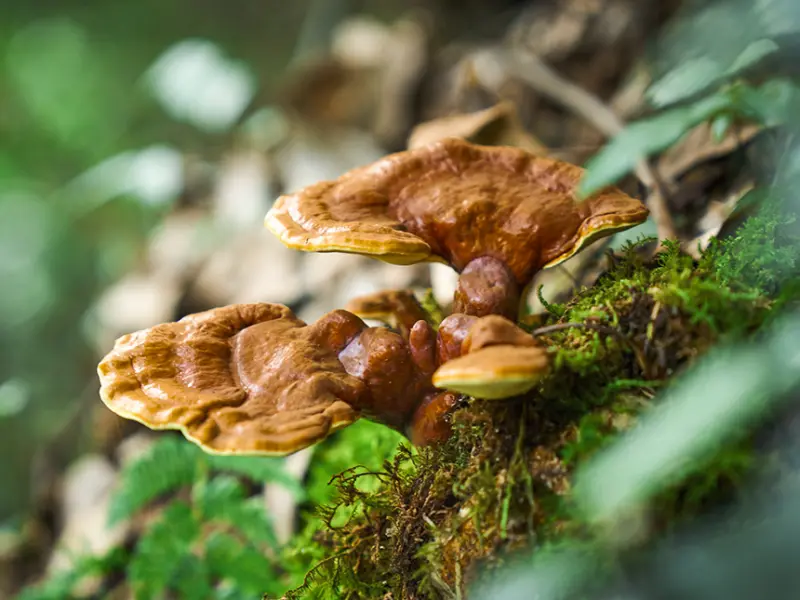
In practice, I have also found the use of medicinal mushrooms to be effective – specifically the mushroom Coriolus versicolor (Turkey Tail). This mushroom significantly stimulates Wei Qi. Sometimes patients object: "But I already have fungi (yeast) in me, should I take even more?" Yes, it is strange, but Turkey Tail is capable of very effectively eliminating other parasitic fungi. That is why I recommend it. It is a kind of first step. Turkey Tail strengthens our Wei Qi so that it is able to bring the pathogen under control. However, a second step must follow, where we must "take away the food" from the pathogen – the aforementioned dampness in the body, otherwise it will constantly have a tendency to return. Here, I usually recommend adding another mushroom, Polyporus umbellatus (Umbrella Polypore), or Job's tears seeds (extract from Job's tears). Both Umbrella Polypore and Job's tears intensively drain dampness from the organism and thus deprive various pathogens of their breeding ground. This is an essential part of the therapy.
Chinese medicine claims that by changing our diet, we can help ourselves, but it takes a relatively long time. However, in the case of yeast, a change in diet is usually fundamental and necessary. We must focus on foods that strengthen the Spleen (and Stomach) and exclude foods that produce excessive dampness (and phlegm) in the body, such as dairy products, industrially processed carbohydrates, sweets, and hearty or overly processed foods supplemented with artificial additives.
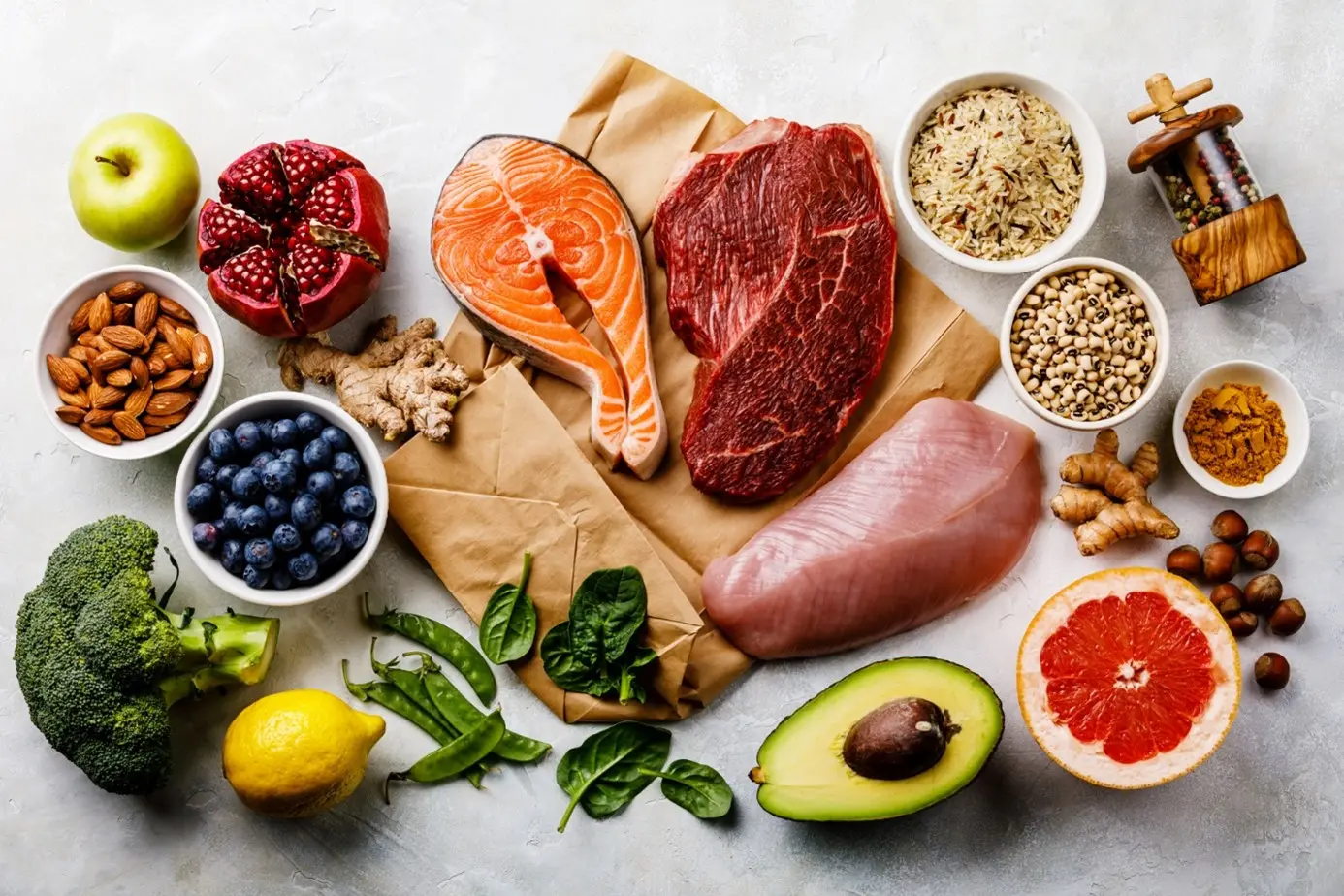
In cases where the complete removal of unsuitable foods would be too restrictive for the patient, certain adjustments can be made and different combinations tested. Specifically, the formation of dampness can be prevented by adding bitter, pungent, or drying foods to hearty or sweet dishes. Common examples of this approach include combining meat with mustard, horseradish, and bitter or pungent vegetables such as turnips and squash, serving pungent mixtures (prepared with plenty of onion, garlic, or pesto) with pasta, combining cheese with chutney, drinking wine with meat dishes and green tea with fried foods, and preferring bitter light beers. With a little thought, it is not even difficult to adjust our typical Western diet so that it is not so unhealthy and does not create so much dampness.
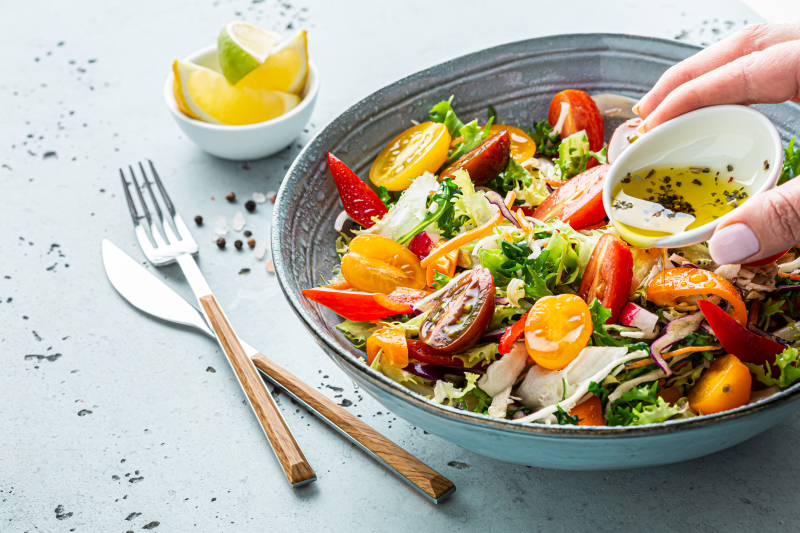
What to do: Emphasise bitter and pungent flavours; all food should be cooked and warm; low intake of fats and oils, dairy products, and sugar; eat smaller portions at each meal.
What not to do: Do not eat late at night, avoid fried foods and fast food.
Beneficial foods:
Buckwheat, barley, corn, rye, sourdough bread, caraway rye bread, gingerbread, toasted oats, lettuce, celery, squash, onion, shallot, garlic, turnip, watercress, adzuki beans, broad beans, radish, extra virgin olive oil, mustard, horseradish, quail meat, clams, lean meat, black and white pepper, cloves, cardamom, nutmeg, dill seeds, coriander leaves, oregano, thyme, basil, fresh ginger.
Consume only rarely:
Sweet potatoes, yams, yams, potatoes, black and green tea.
Limit or avoid:
Wheat, ice cream and dairy products (with the exception of raw goat's milk and yoghurt), sugar and concentrated sweeteners, fatty meat (especially pork and duck), eggs, tofu, tempeh, soy milk, lard, butter, margarine, chocolate, nuts and seeds (especially peanuts), avocado, raw and dried fruit (especially bananas and tropical fruit), salt, vinegar, beer.
Also watch out for dampness around us
We have already said that yeast loves dampness. We have talked about the dampness that arises from a poor diet. However, there is also so-called external dampness that we should avoid. This means not staying in a damp environment for a long time, in a swimming pool, in wet swimwear, or being sweaty due to unsuitable underwear. Use antibiotics only in the most necessary cases (i.e., preferably never).
In conclusion, I must point out that the fight against yeast is a long-distance run and requires a lot of patience and willpower.

Subscribe to our newsletter and you won't miss any promotions or important information