


I encounter rheumatoid arthritis in my practice quite often. According to Western medicine, it is an autoimmune disease that primarily affects the joints. It usually affects 1% of the population and most commonly people aged 20 to 50. Interestingly, women are more likely to suffer from rheumatoid arthritis. However, men and even small children can also develop the disease.
Western medicine defines rheumatoid arthritis as a disease of the immune system. The immune system does not behave as it should and, for unknown reasons, attacks the joints and triggers inflammation that becomes chronic. The attacking of the joints gradually restricts a person's movement and causes great pain. Although it primarily attacks the joints, it can also affect other organs, such as the lungs, heart or eyes.
The cause of this autoimmune disease is not yet entirely clear. There is speculation about the influence of heredity, the environment or a reaction to an antigen. Treatment most often consists of suppressing the symptoms. In milder cases, non-steroidal anti-rheumatic drugs are administered, while in more severe manifestations, corticosteroid drugs are used to suppress inflammation. Today, biological therapy is being used increasingly often. Physiotherapy, which aims to maintain the functional state of the joints, is also of great importance.
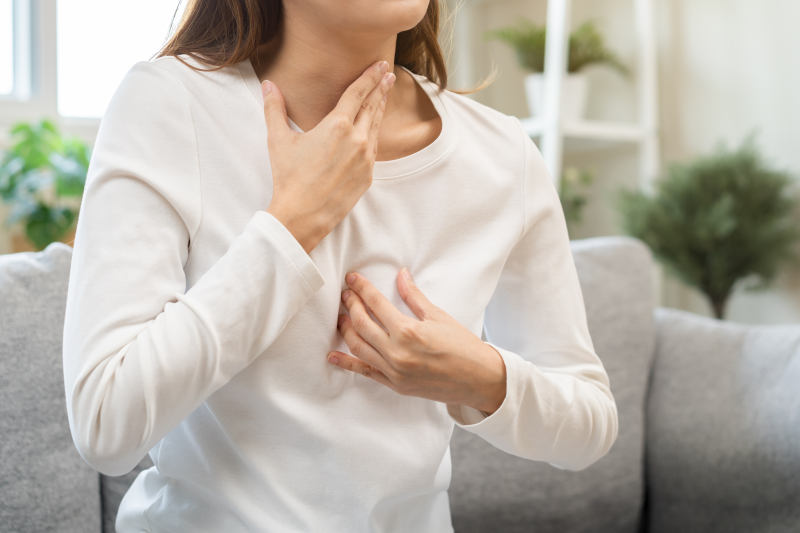
The primary symptom is painful joint obstruction - most commonly in the finger joints. Morning stiffness is typical. In addition to pain, the joints may also swell. Joint deformities gradually develop. These symptoms can also appear in other joints. In some cases, heat can be felt in the joints. Many people experience pain that reacts to damp, cold, rainy weather, or changes in atmospheric pressure. Other symptoms include fatigue or exhaustion, feelings of increased body temperature, numbness or tingling in the limbs, anaemia, or slow-healing injuries on the limbs.
The view of Chinese medicine on rheumatoid arthritis is somewhat different from the Western one. Although not as much as it might seem. Chinese medicine classifies rheumatoid arthritis into the group of diseases known as Bi Zheng (translated as painful obstruction syndrome or painful blockage). This also includes other diseases, such as ankylosing spondylitis or gout. Different diseases, same causes, similar treatment.
Rheumatoid arthritis, or rather the group of diseases falling under Bi Zheng, has plagued humanity to a great extent since time immemorial. It is already written about in the fundamental work of traditional Chinese medicine, the Yellow Emperor's Inner Canon, in which the legendary Yellow Emperor converses with his advisor and teacher Qi Bo: "When wind, cold and dampness penetrate, Bi Zheng arises." As we shall see later, this is a very important quote. And let us realise that the Yellow Emperor lived sometime in the 3rd millennium BC. I will also mention one quote from the work Planning Treatment According to Categories of Patterns (1839):
Bi Zheng syndrome is a consequence of a deficiency of Jing Qi and Wei Qi (nutritive and defensive energy that nourishes and protects our body) and the openness of the space between the skin and muscles, which allows wind, cold and dampness to gain the upper hand over the deficiency. The flow of Qi is restricted by pathogenic factors, it cannot flow freely and begins to stagnate, Qi and blood congeal and Bi Zheng arises.”
Chinese medicine claims that there are pathways in our body through which Qi (energy) flows. Just as blood flows in blood vessels or lymph in lymphatic vessels. Sometimes it happens that Qi becomes blocked in a pathway for some reason. Then, on one side of such a blockage, there is too much Qi, and on the other side, there is a deficiency. In most cases, this blockage causes pain. Or, if we look at it the other way around, pain is always caused by a blockage. And it does not matter whether it is a headache, menstrual pain, or rheumatoid arthritis. The principle is always the same. It is a blockage in the Qi pathways.
The only difference is the cause of the blockage. And in the case of rheumatoid arthritis, or rather what we should call Bi Zheng, the blockage arises from the invasion of external pathogenic factors such as wind, cold, and dampness into the superficial pathways (typically those running through the fingers of the upper limbs). And it creates an obstruction that a person perceives as pain. In every patient, the proportions of these pathogenic factors are mixed a little differently.
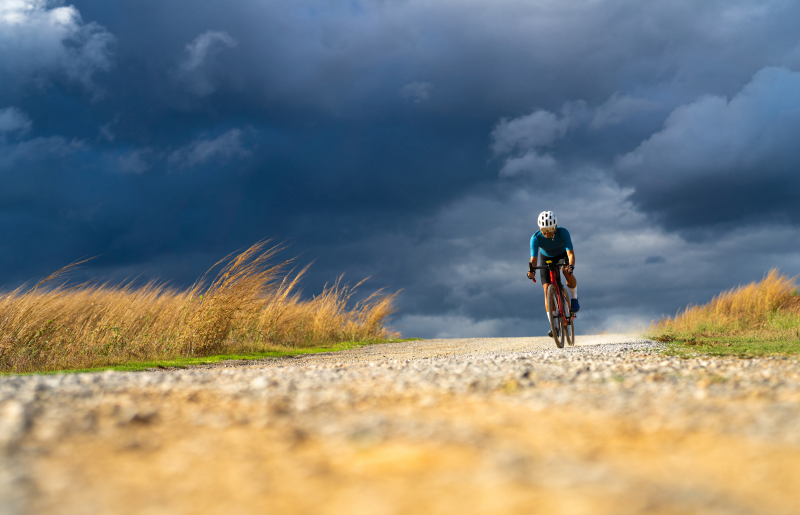
In patients who have come with Bi Zheng, I often hear a similar story: "About two years ago, I rode my bike to work all autumn. Often even in the rain. Gradually, the joints in my hands started to hurt. They began to swell, they were stiff in the morning, I couldn't even hold a cup in them. It always went away for a while, but then it appeared again." Sometimes, however, the initial cause cannot be fully traced.

That is a good question. After all, many people cycle in the cold and damp, and they are usually exposed to the wind. So why do only some of them develop rheumatoid arthritis? Look at the second quote from the Chinese classics mentioned above. For pathogenic Qi (Xie Qi – in our case wind, dampness and cold) to penetrate the organism, our defensive and nourishing Qi must be weak. In other words, we must be weakened in some way at that given moment. Wei Qi fills the space between the skin and muscles all over our body. It has its opposite in Ying Qi (nourishing Qi), in which it is rooted. One cannot exist without the other. It protects us from the invasion of external pathogens. In the past, the Chinese used terms such as pathogenic wind, cold, dampness, heat, etc. Today, we say viruses, bacteria, borrelia, etc. If our defensive Qi is weak, the borders are unprotected and the "enemy" easily penetrates our organism. This is also the principle of infectious diseases.
What can be the cause of this weakening? Anything that exhausts us in some way:
We can also inherit certain predispositions to the weakening of some organs from our ancestors, i.e., we can inherit a predisposition to weak defensive Qi and have a greater chance of a pathogen penetrating us. Such people must be more careful with themselves throughout their lives.
But let us return to Bi Zheng. If we are weakened, a combination of wind, cold and damp pathogens penetrates the surface layers. And here it obstructs the flow of Qi and creates blockages. And as we have said, a blockage is pain. At first, only Qi is blocked, which manifests as various tingling sensations, mild pain, and stiffness. Later, fluids also begin to be blocked, and swelling occurs. And later, blood also begins to be blocked, and that is when the pain becomes truly persistent and deformities eventually arise.
We know that it is the action of these specific pathogens because people with rheumatoid arthritis are often relieved of pain by a combination of heat and dryness. And moderate exercise.
Chinese medicine offers a wide range of options for helping with rheumatoid arthritis. At the very beginning, I must say that the longer the problem persists, the longer the treatment takes. A general rule of thumb states: "For as many years as the disease has been developing, it will take that many months to treat". And in truth, sometimes it takes even longer. However, after starting treatment, a patient should see at least some improvement within approximately 2−3 months.
If we consider how rheumatoid arthritis arises according to Chinese medicine, the method of treatment follows from this. First and foremost, it involves the invasion of an external pathogen. This means we must first use a method to expel wind, cold, and dampness. Later, we must strengthen the patient's organism (replenish Qi and blood) so that the pathogen does not have a tendency to return. In patients who have had RA for many years, it is often not so much about the pathogen itself, but rather about blockages and insufficient nourishment of the affected areas.
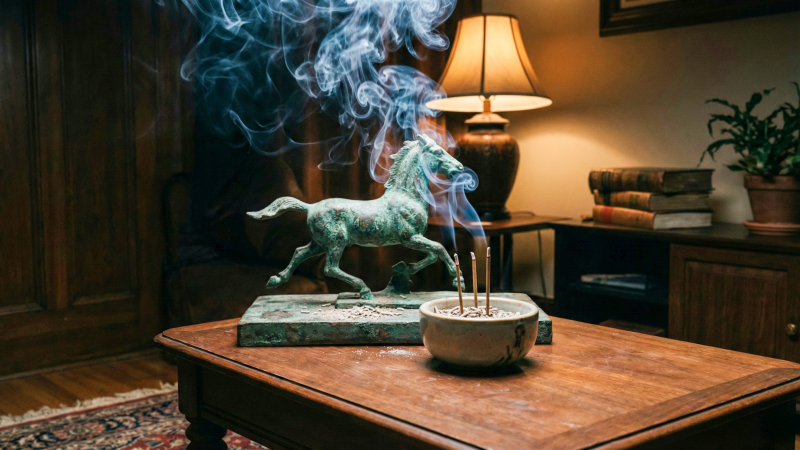
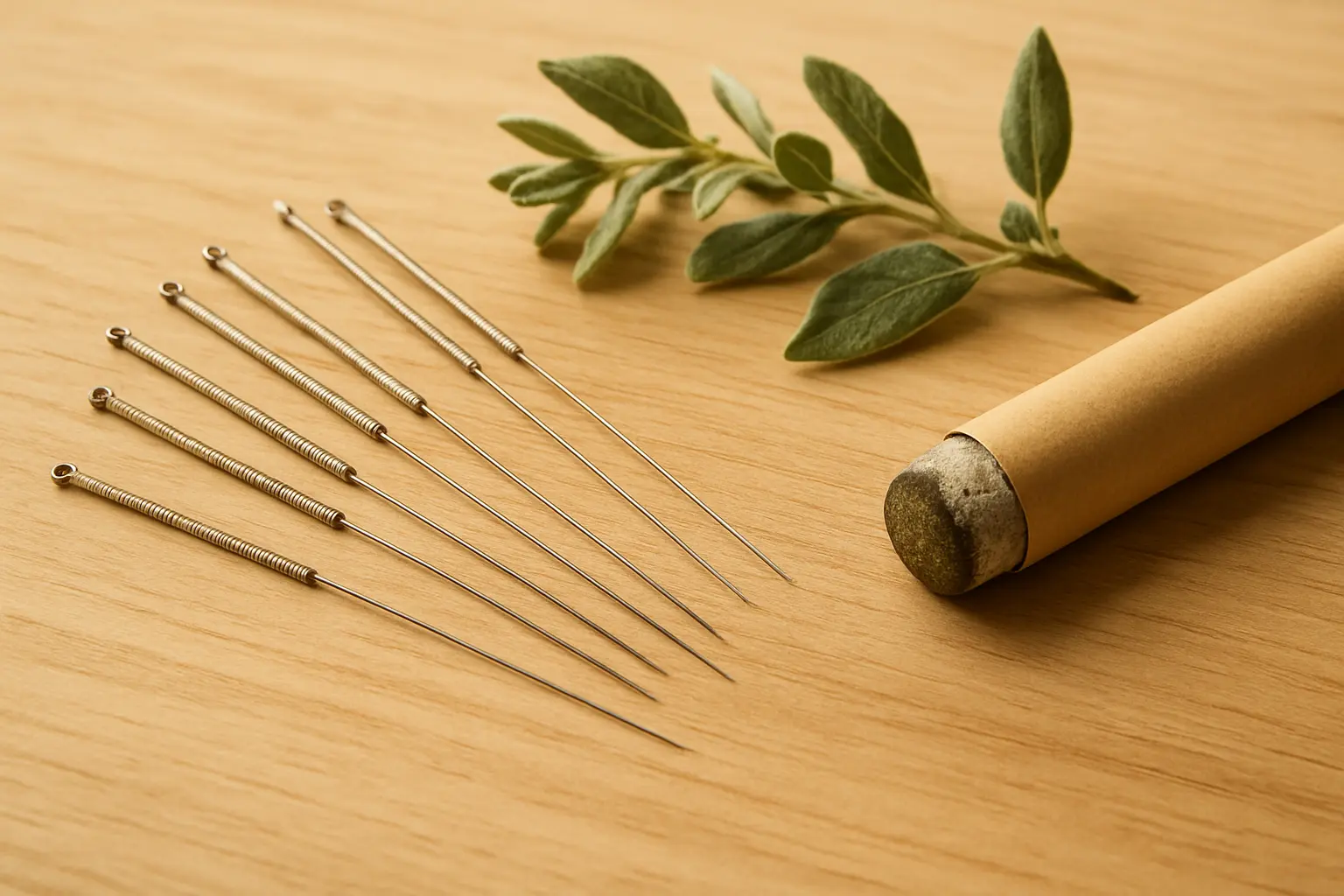
One of the treatment options for Bi Zheng is acupuncture. The goal of acupuncture is to move Qi in the acupuncture meridians (and thereby break up blockages) and expel the external pathogen. Points are used both at the site of the problem and at distant locations. Therefore, a problem on the hand is often treated using points on the leg. If it is an invasion of cold and dampness, it is good to moxa the problematic areas (heating them with a mugwort stick). Unlike acupuncture, which should only be performed by professionals, we can moxa the affected areas ourselves.
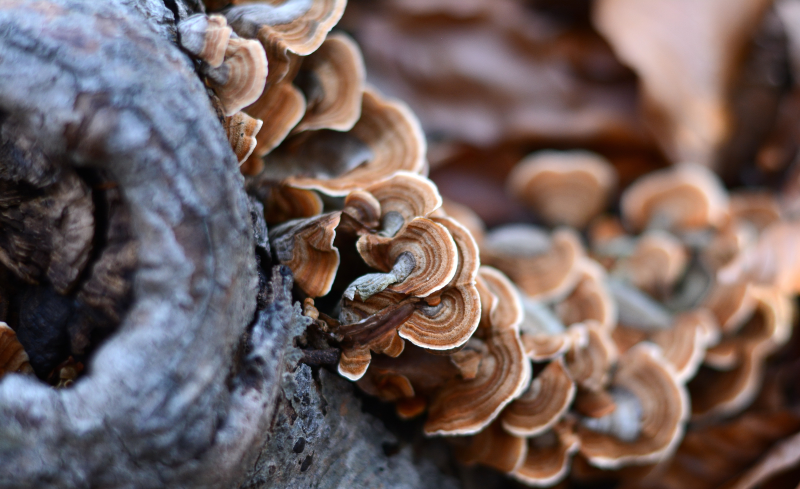
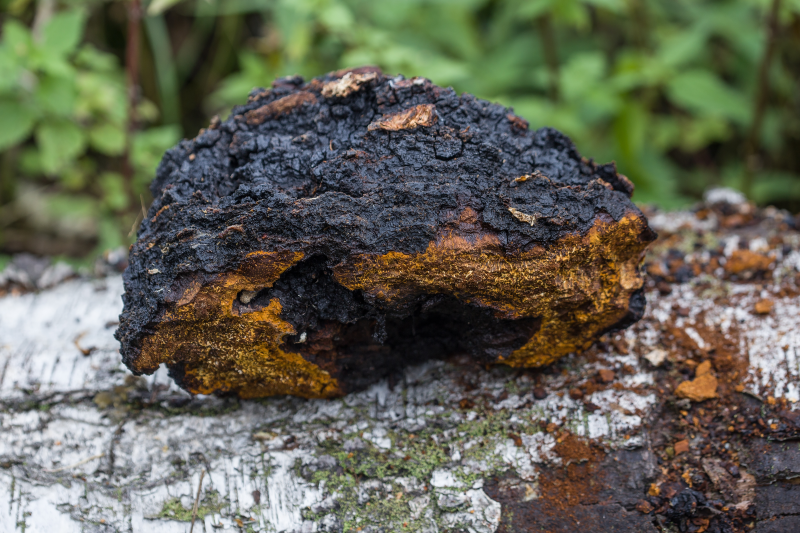
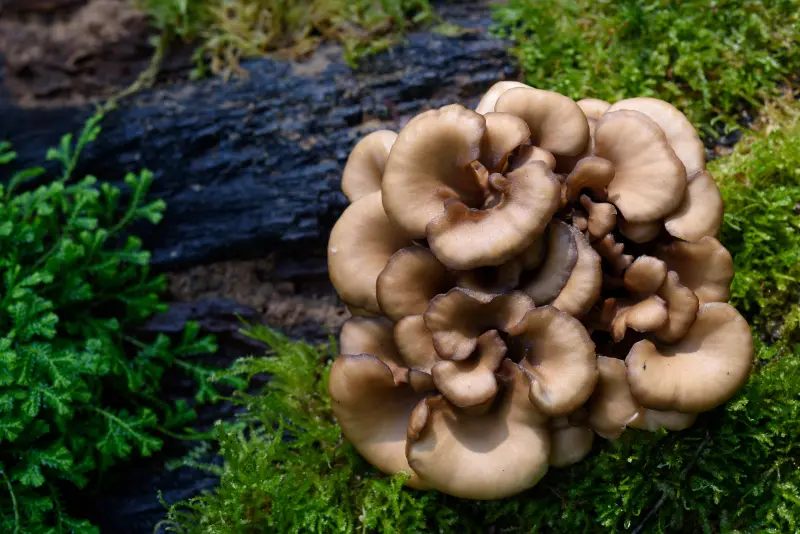
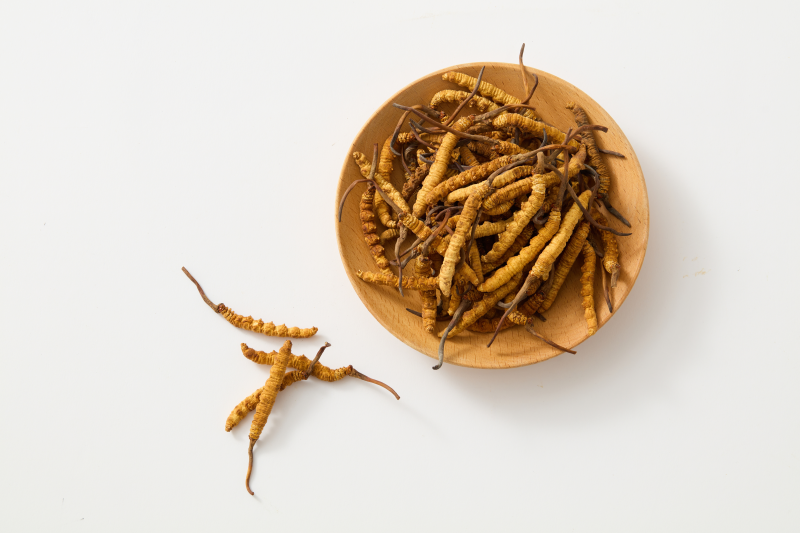
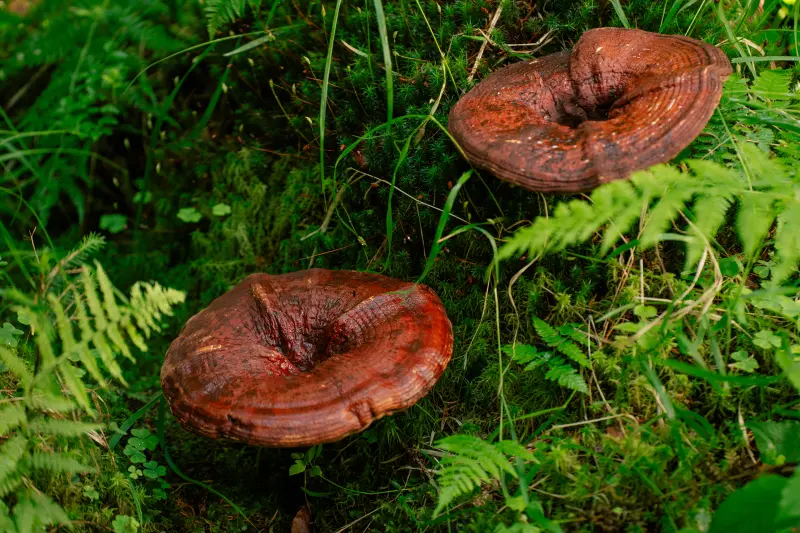
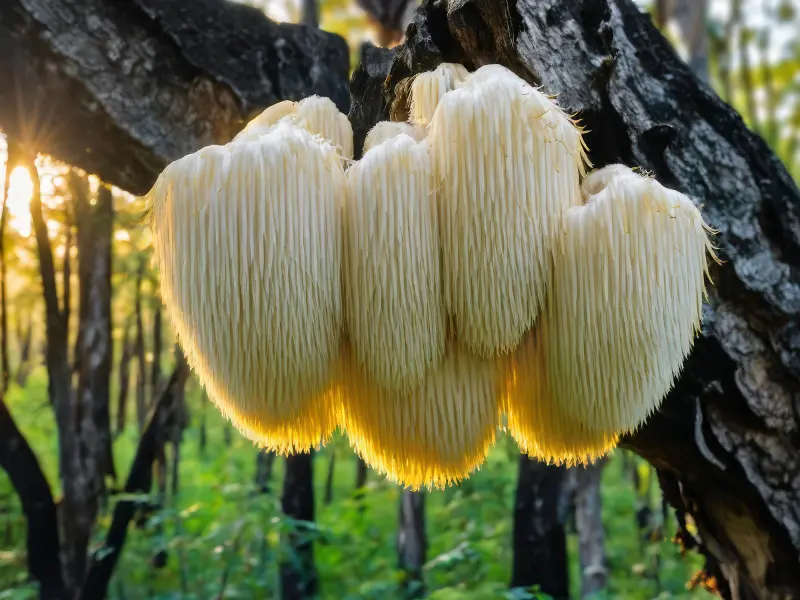
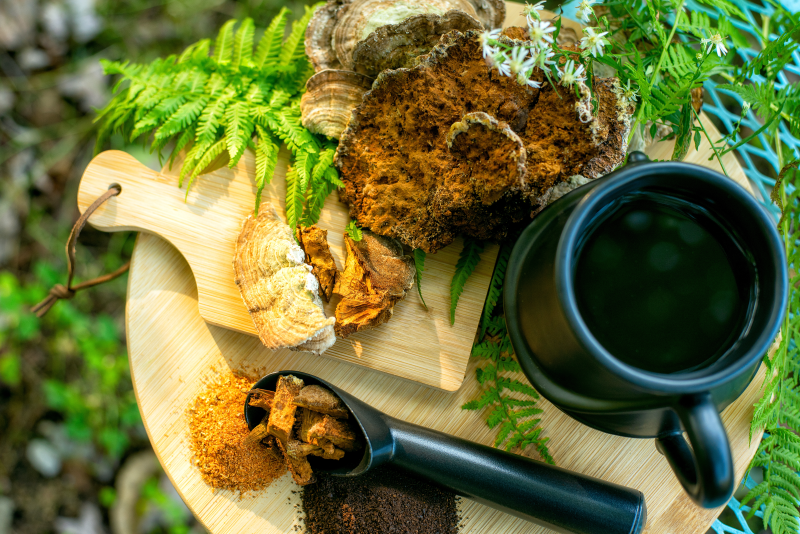
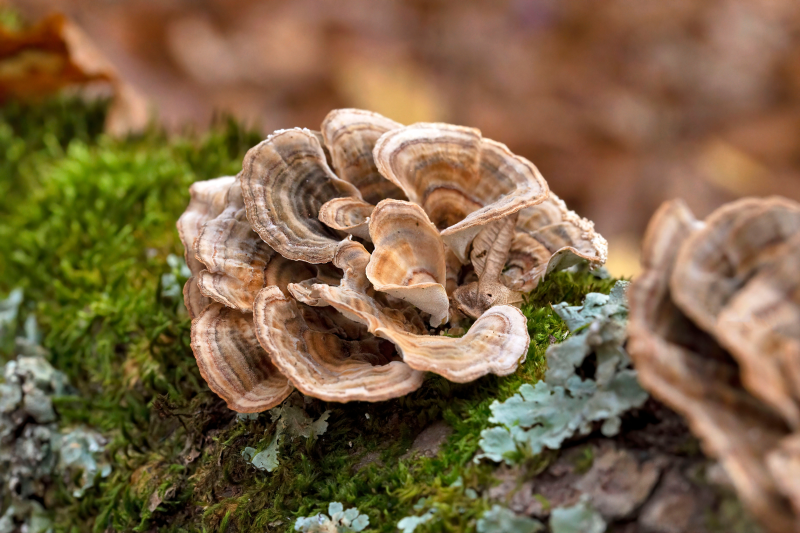
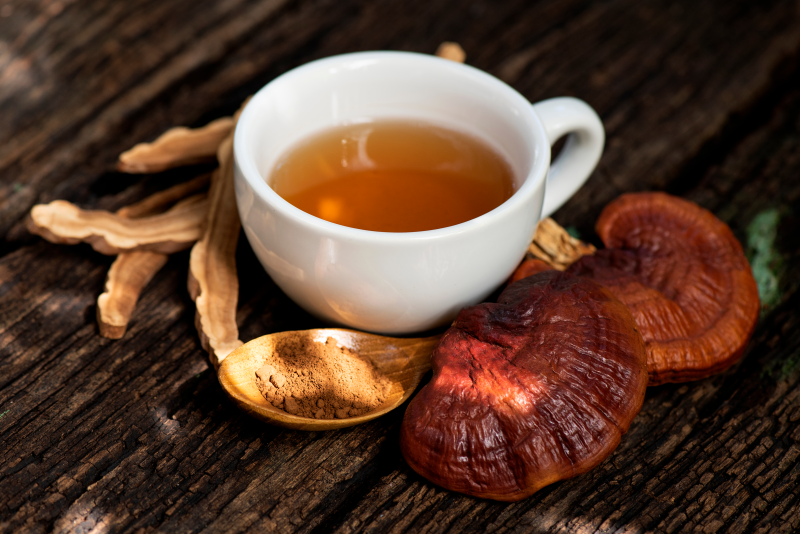
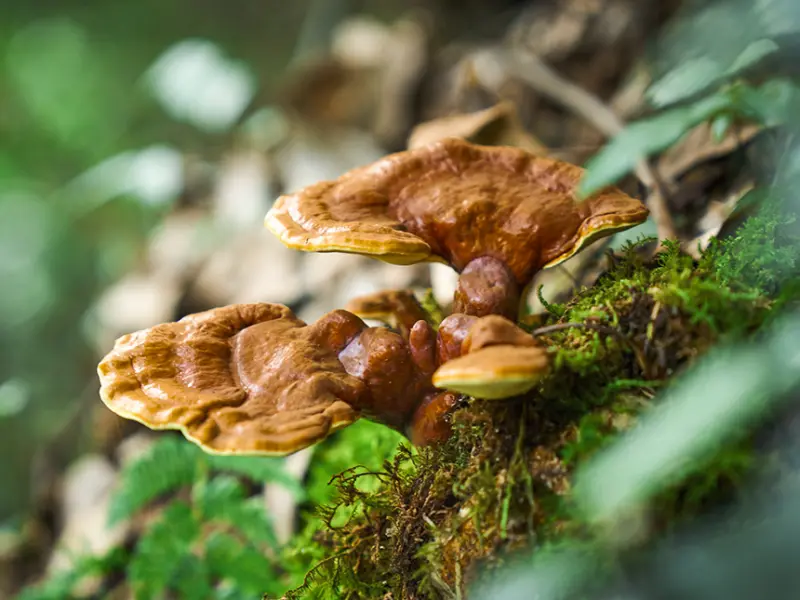
Another way to help yourself is by using medicinal mushrooms. Medicinal mushrooms are capable of regulating our immune system. They can not only stimulate it but also regulate it if it is attacking our own healthy cells (autoimmune diseases). At the same time, some types of mushrooms also have anti-inflammatory effects, especially in cases of chronic inflammation. This is more of an explanation using the principles of Western medicine (see here, for example). According to Chinese medicine, medicinal mushrooms strengthen our vitality (we could call it Zheng Qi - proper energy or everything physiological within us) and at the same time our defences (Chinese medicine uses the term Wei Qi, see above). I usually use two mushrooms - Reishi and Coriolus. Then I also add Turmeric to them, which is also anti-inflammatory and, according to Chinese medicine, moves blockages. Which makes sense in the case of Bi Zheng.
Herbal recipes of Traditional Chinese Medicine are a very good choice for Bi Zheng. Again, the goal of herbal blends for Bi Zheng is primarily to expel the pathogen from the organism and break up blockages.
There are ready-made herbal blends such as Shu Jing Huo Xue Tang or Xiao Huo Luo Pian. Both of these blends can help with Bi Zheng caused especially by cold and dampness. They contain herbs such as Qiang Huo (Rhizoma notopterigii) or Fang Feng (Radix ledebouriellae), which act to drain wind, dampness and cold, and then a group of herbs that break up blockages such as Ji Xue Teng (Caulis milletiae seu spatholobi) or Mo Yao (Resina myrrhae), which vigorously break up blockages in the Qi channels. The third group are nourishing herbs - peony or angelica. I often give these two blends in combination as well. I give one in the morning and the other in the evening.
For more severe forms of Bi Zheng (if improvement after using the above-mentioned preparations is minimal within 2-3 months), I recommend seeking out a Traditional Chinese Medicine therapist who will create an individual treatment plan after a detailed examination.
With Bi Zheng, it is good to exercise. However, within your limits. And never through severe pain. It is ideal to find a good physiotherapist who can advise you on suitable exercises.
A change in diet can help, but usually not very much. It is generally necessary to supplement Qi and blood. If Bi Zheng is caused by dampness and cold, it is usually appropriate to supplement Yang (warm the organism). If heat is present, it must be cleared.

Subscribe to our newsletter and you won't miss any promotions or important information